流媒体平台

Search documents
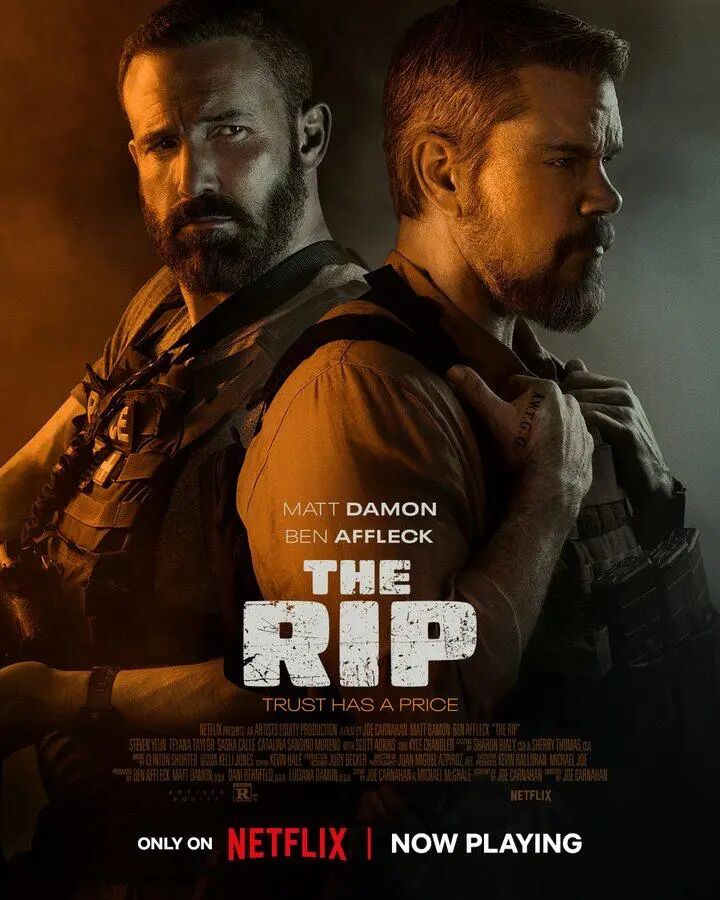
马特•达蒙吐槽Netflix:算法“杀死”电影、摄影不再重要
3 6 Ke· 2026-01-20 02:52
Core Viewpoint - The traditional film industry is facing significant challenges due to the influence of streaming platforms like Netflix, which prioritize data-driven content creation over artistic integrity, leading to a decline in the quality and depth of films [1][3][9]. Group 1: Impact on Film Creation - Netflix's approach requires creators to include explosive moments within the first five minutes of a film, fundamentally altering the narrative structure and depth of storytelling [3][4]. - The reliance on data analytics has led to a production model that prioritizes viewer retention over narrative coherence, resulting in a "fast food" style of filmmaking [4][5]. - The traditional emotional resonance of films is being compromised as creators are pressured to conform to data-driven expectations, leading to a loss of artistic expression [5][8]. Group 2: Changes in Distribution and Audience Engagement - The window for theatrical releases has been drastically reduced, with films now often available on streaming platforms within days, undermining the traditional cinema experience [8][9]. - The convenience and cost-effectiveness of streaming services are drawing audiences away from theaters, diminishing the communal experience that cinemas provide [6][8]. - The decline in cinema attendance is exacerbated by the availability of high-quality home viewing options, leading to a shift in how films are consumed [8][9]. Group 3: Economic Implications for Creators - The traditional revenue model of film production, which included box office shares and long-tail earnings, is being replaced by a system that limits creators' financial benefits to short-term gains [9][11]. - The lack of transparency in viewership data from streaming platforms makes it difficult for creators to gauge the success of their work, further complicating their financial stability [9][11]. - The current economic model favors large productions and established IPs, marginalizing independent films and new creators, which threatens the diversity of content available [11][12].


中国短剧,成好莱坞“回魂丹”
创业邦· 2025-11-25 10:31
Core Viewpoint - The article discusses the rise of short dramas, particularly those originating from China, as a key factor in revitalizing Hollywood's box office and influence amidst industry challenges such as strikes and financial pressures [5][10]. Group 1: Hollywood's Shift to Short Dramas - Hollywood is increasingly investing in short dramas as a response to production challenges and audience demand for lower-cost, shorter content [5][6]. - Bill Block launched the micro-drama platform GammaTime, securing $14 million in seed funding, focusing on high-quality crime short dramas [5]. - Jana Winograde, a former Disney and Paramount executive, is set to lead the high-end short drama studio MicroCo, aiming to explore new narrative styles [6][7]. Group 2: Streaming Giants and Short Drama Competition - Netflix is launching dedicated short drama sections, "Shortz" and "Netflix Shorts," to compete in the burgeoning short drama market [7][8]. - The competition is intensifying between traditional Hollywood studios and streaming platforms like Netflix, as they adapt to the changing landscape of viewer preferences [7][8]. Group 3: Global Short Drama Market Dynamics - The global short drama market is expanding, with predictions that annual revenue from micro-dramas will exceed $25 billion by 2030, nearly ten times Netflix's annual revenue [17]. - Countries like India are entering the short drama space, with platforms like Kuku TV rapidly gaining traction and competing with established players [22][25]. Group 4: Chinese Short Drama Leadership - Chinese platforms dominate the global short drama revenue rankings, with applications like ReelShort and DramaBox leading the market [27]. - The article emphasizes the importance of high-quality content and cultural relevance for Chinese short dramas to maintain their competitive edge in the global market [34][35]. Group 5: Future Challenges and Opportunities - As the short drama market becomes crowded, Chinese platforms must innovate and focus on quality to sustain their leadership [34]. - The article highlights the potential for cultural export and the need for Chinese platforms to adapt to local markets while leveraging their established content supply chains [34][38].