住宅户型选择

Search documents
选择搬离1梯2户的人,为何越来越多?过来人说出5个缺点
Sou Hu Cai Jing· 2026-02-15 18:42
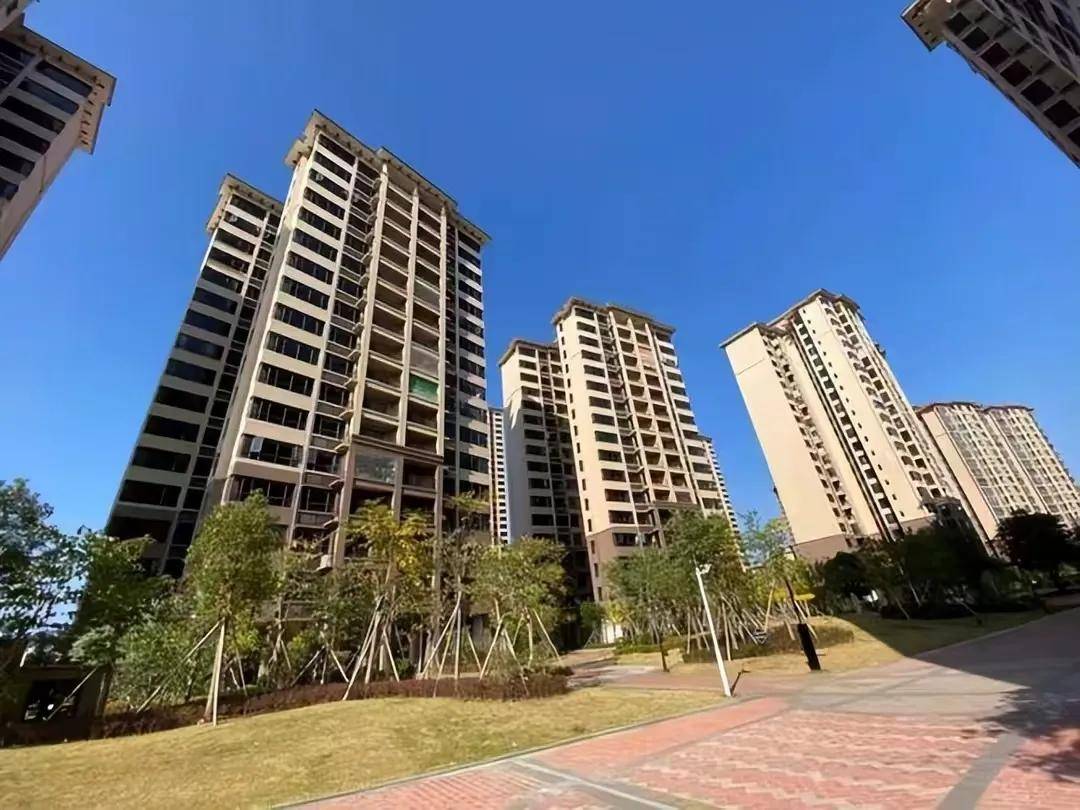
二、视野受限与采光不足的隐忧 根据相关规定,住宅超过十二层通常需要配备两部电梯。因此,"一梯两户"的楼栋,其层数普遍不会超 过十二层。然而,若这样的建筑坐落于市中心区域,周边被高楼林立的建筑所环绕,那么其视野便会受 到极大的限制。不仅如此,楼栋的采光也会因此受到显著影响,居住的舒适度大打折扣。 在中国,高昂的房价已成为许多家庭购房道路上的一道难以逾越的鸿沟。想要拥有一方属于自己的天 地,不仅需要掏空积蓄,更常常意味着未来二三十年的房贷重压。因此,房子的地段、户型、楼层等每 一个细节,都承载着购房者沉甸甸的期望与考量。 过去,不少人青睐"一梯两户"的住宅模式,认为其私密性更佳。然而,如今选择这种户型的住户,很多 已选择搬离。究竟是什么原因让他们纷纷"逃离"?有经验者总结了"一梯两户"的五大弊端,值得我们深 入了解。 一、高昂的成本与沉重的财务负担 "一梯两户"的房源,在同等面积下,价格往往比"两梯四户"的楼盘高出数十万元。这其中的奥妙,很大 程度上源于较高的公摊面积。"一梯两户"的公摊比例普遍高达百分之二十五至百分之三十,这意味着购 房者需要为一部分自己无法直接使用的公共空间买单。高昂的总价也直接转化为沉重的月 ...

第二套房,买了边户,入住后才发现和中间户差别太大了!
Sou Hu Cai Jing· 2025-10-16 23:04
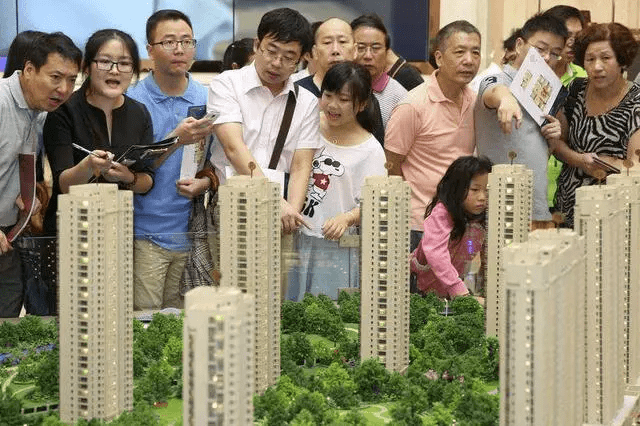
Group 1 - The article discusses the differences in living experiences between middle units and corner units in residential properties, highlighting the advantages of corner units in terms of light, ventilation, and overall living quality [1][3][12] - Middle units are budget-friendly for first-time buyers, offering lower total prices and smaller shared areas, but they come with significant drawbacks that become apparent over time [5][19] - Key issues with middle units include poor lighting, inadequate ventilation, noise from neighbors, and lack of privacy, which can lead to a less enjoyable living experience [7][10][11] Group 2 - Corner units provide superior lighting and ventilation, enhancing the overall living quality, with natural light and fresh air contributing to a more pleasant environment [14][16] - The price difference between corner and middle units can be significant, with corner units typically costing 5-15% more, which may be a consideration for budget-conscious buyers [19][20] - Potential downsides of corner units include exposure to direct sunlight, which can increase cooling costs in summer, and possible water leakage issues in rainy areas, although modern construction methods have mitigated some of these concerns [22][23][24] Group 3 - For those considering middle units, recommendations include choosing units with connecting corridors for better airflow and light, ensuring the main rooms face south for optimal sunlight, and opting for larger balconies to enhance space and brightness [27][29][31]
有一种痛苦叫买了“一梯两户”!不好住又卖不掉,彻底沦为不动产?
Sou Hu Cai Jing· 2025-04-12 16:48
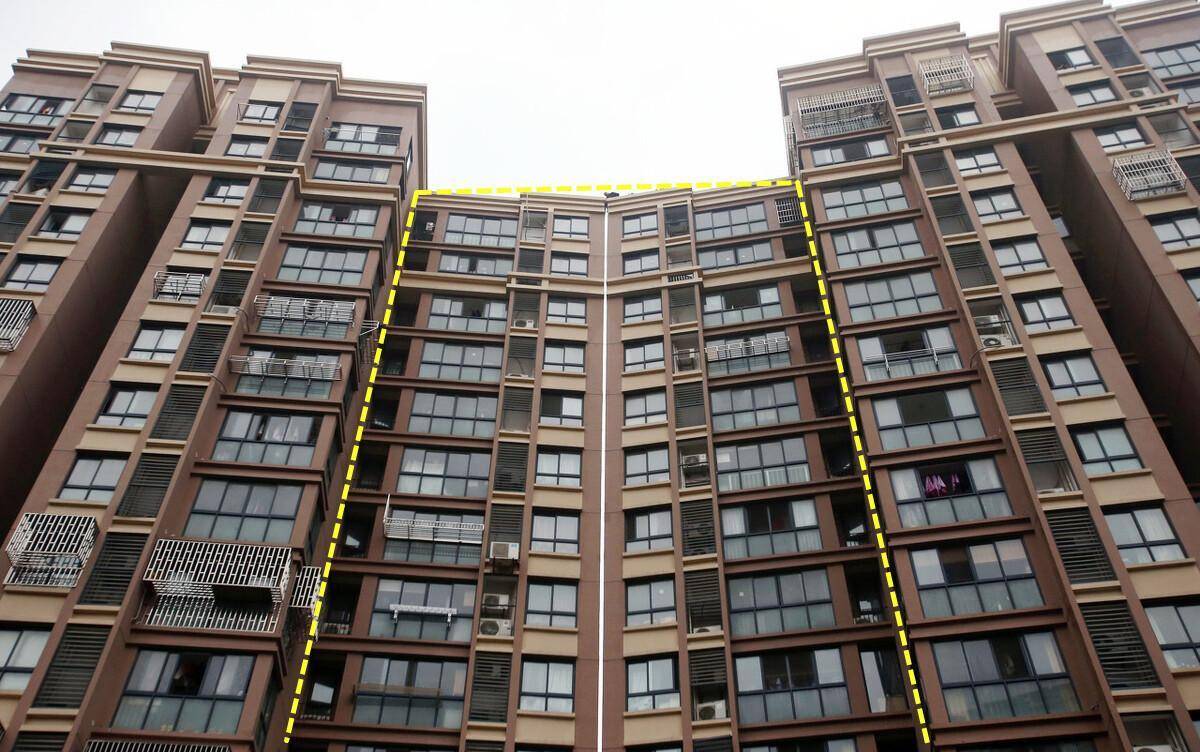
Group 1 - The concept of "one ladder two households" refers to a building design where two households share one staircase, with specific requirements for the number of elevators based on the number of floors [1] - Common configurations include two elevators (one for passengers and one for fire safety) and two staircases, often referred to as "two ladders two households" [1] - Despite some advantages, such as privacy and ventilation, the design has significant drawbacks, including high shared area costs and potential difficulties in resale [3][4] Group 2 - Key issues with "one ladder two households" include poor living experience due to privacy concerns, low elevator efficiency during peak times, limited natural light, and high shared area costs [3] - Resale challenges arise from low market acceptance, weak appreciation potential, and high maintenance costs, leading to financial strain for some homeowners [3] - Neighborly disputes and design flaws from developers further exacerbate the living conditions, making it essential for buyers to carefully consider their needs before purchasing [3] Group 3 - The price of "one ladder two households" is often higher due to its classification as a small high-rise or villa, which is seen as a desirable option for home improvement [4] - The design typically does not significantly impact lighting, as these buildings are not excessively tall, and the average number of households per elevator is lower compared to high-rise buildings [4][6] - The overall market dynamics for resale are consistent across the second-hand housing market, rather than being solely dependent on the property type [4]