俄乌冲突和平谈判

Search documents
特朗普重返白宫以来首次!美俄乌三方会谈待普京点头
Jin Shi Shu Ju· 2026-01-23 06:04
Group 1 - The United States is facilitating a three-party negotiation between Ukraine and Russia in Abu Dhabi to discuss a potential agreement to end the conflict [1][2] - Ukrainian President Zelensky expressed support for negotiations on neutral ground and emphasized the need for both sides to make concessions [1][2] - The meeting is expected to take place this weekend, but Russia has not confirmed its participation [1][2] Group 2 - Ukraine will send key representatives, including chief negotiator Rustem Umerov and military intelligence head Kyrylo Budanov, to the talks [2] - Russia has indicated a willingness for indirect talks mediated by a third party, similar to previous negotiations held in November [2][3] - The ongoing discussions focus on territorial concessions demanded by Russia as a prerequisite for any reconciliation agreement [3] Group 3 - Previous negotiations in Istanbul last year did not yield significant progress, with Russia's demands remaining unmet [3][4] - Russia's Foreign Minister Lavrov stated that any peace proposal must not allow Ukraine to remain under what he termed a "Nazi regime" [4] - The conflict has intensified with increased Russian airstrikes on Ukraine's energy infrastructure, leading to severe winter hardships for Ukrainian cities [4] Group 4 - The U.S. and Ukraine are considering a limited ceasefire proposal, where Russia would halt attacks on Ukrainian energy infrastructure in exchange for Ukraine stopping strikes on Russian oil facilities [4] - However, there is hesitation from both sides regarding this proposal, as it involves significant strategic considerations [4]
欧洲风向变了?马克龙、梅洛尼公开喊话:必须和俄罗斯谈判!
Sou Hu Cai Jing· 2026-01-15 14:15
Group 1 - The initiative proposed by Macron and Meloni to negotiate with Russia is gaining support in Brussels and other European capitals, presenting the EU with a critical choice between engaging in diplomatic communication with Moscow or waiting for a peace agreement proposed by the United States [1] - Italian Prime Minister Meloni has explicitly called for the appointment of a special envoy to handle negotiations with Russia, indicating a desire for a more structured diplomatic effort [1][5] - The internal support for negotiating with Russia is rising in Europe, influenced by the ongoing pressures of energy security and economic development, as well as concerns over the prolonged conflict [4][5] Group 2 - Ukraine's response to Macron's stance is one of disappointment, which has led to thoughts of negotiating with Putin, highlighting the complexities of the situation [2][5] - The ongoing corruption scandals in Ukraine are affecting European attitudes towards the country, raising questions about the effectiveness of financial aid and governance capabilities, which in turn is pushing Europe towards supporting negotiations [4][5] - The EU's proactive communication with Russia could allow it to maintain more control over the peace process rather than being entirely dependent on U.S. proposals, reflecting a strategic shift in diplomatic engagement [5][7] Group 3 - The internal divisions within the EU regarding negotiation strategies present significant challenges, as the support for talks is increasing but coordination among member states remains complex [7] - The potential for actual negotiations between Ukraine and Russia, as well as the core issues to be discussed, is still uncertain and will depend on the progress of anti-corruption investigations in Ukraine and subsequent shifts in European attitudes [7]


爆料:俄方深夜向美递交请求
Xin Lang Cai Jing· 2026-01-02 11:13
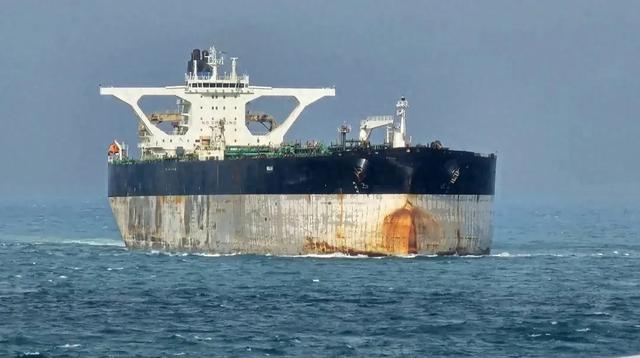
Core Viewpoint - Russia has formally requested the United States to cease its interception of the oil tanker "Bella 1," which was originally bound for Venezuela, potentially complicating negotiations between the U.S. and Russia regarding the ongoing Ukraine conflict and increasing tensions over Venezuela [1][3]. Group 1: Oil Tanker "Bella 1" - The U.S. has been tracking the "Bella 1" for nearly two weeks, as it departed from Iran and was intercepted in the Caribbean while attempting to reach Venezuela [3]. - The tanker was reportedly flying a false flag and is considered "stateless" by the U.S. government, which has issued a seizure order [4]. - The "Bella 1" has recently reappeared under the name "Malinelle" in Russian shipping registries, with its home port listed as Sochi on the Black Sea [3]. Group 2: U.S.-Russia Relations - The request from Russia to stop the interception of the "Bella 1" could introduce new variables into the negotiation process between the U.S. and Russia regarding the Ukraine situation [3]. - The U.S. has previously intercepted two other tankers in the region as part of its strategy to pressure Venezuelan President Maduro, marking a significant escalation in U.S. actions [4]. - Maduro has condemned the U.S. actions as "piratical" behavior, highlighting the rising tensions between the two nations over Venezuela [4].
牛弹琴:普京一个电话后,特朗普怒了
Xin Lang Cai Jing· 2025-12-29 23:55
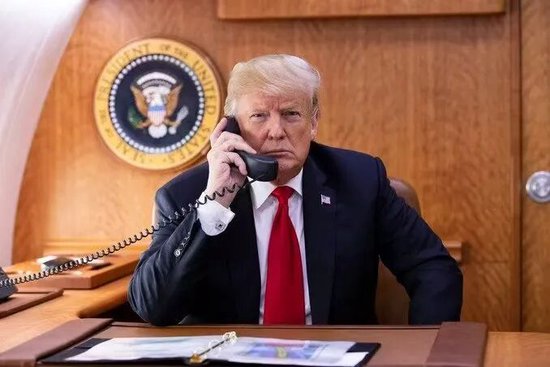
Core Viewpoint - The recent meeting between Trump and Zelensky did not go well, and tensions escalated after a phone call from Putin, leading to anger among all three parties involved [2][31]. Group 1: Reactions from Key Figures - Putin expressed anger over Ukraine's attack on a residential area in Russia, which included his residence [4][31]. - Trump was shocked and outraged by Ukraine's actions, feeling that it undermined peace efforts and was relieved that the U.S. had not provided Ukraine with Tomahawk missiles [8][35]. - Zelensky reacted by accusing Russia of lying and using the incident to justify further aggression against Ukraine, warning of potential attacks on Kyiv [11][39]. Group 2: Implications for Peace and Conflict - Putin indicated that Russia would reassess its stance on peace negotiations, suggesting retaliatory strikes against Ukraine [7][33]. - The situation reflects a broader theme where promises of peace are often juxtaposed with ongoing military actions, highlighting the fragile nature of diplomatic efforts [6][32]. - The conflict is at a critical juncture, with Trump noting that the U.S. and Ukraine had nearly reached a consensus on a peace plan, but significant disagreements remain, particularly regarding territorial concessions [16][41]. Group 3: Dynamics of Relationships - The relationship dynamics among Trump, Zelensky, and Putin are complex, with Trump and Putin having a more familiar rapport compared to the strained interactions between Trump and Zelensky [21][45]. - Zelensky's cautious approach towards Trump contrasts with Trump's more direct and critical demeanor, indicating a lack of trust and understanding between them [22][45]. - The animosity between Zelensky and Putin is evident, with Zelensky openly mocking Putin, which underscores the deep-seated hostilities in their interactions [22][45]. Group 4: Future Outlook - There is a strong likelihood of increased violence as Russia prepares for retaliation, particularly in light of Ukraine's recent military actions [23][47]. - The cycle of retaliation may escalate further, complicating the prospects for peace and leading to more severe consequences for both sides [24][50]. - Trump's frustration is palpable, as he feels his efforts to mediate peace have been undermined by escalating hostilities, which he perceives as a failure of leadership on both sides [26][53].
周末分别和普京、泽连斯基沟通后,特朗普称“乌克兰领土问题还没谈妥”
Hua Er Jie Jian Wen· 2025-12-29 00:36
Core Viewpoint - The article discusses the ongoing negotiations to end the Russia-Ukraine conflict, highlighting significant progress but also persistent challenges regarding territorial divisions and security guarantees [1][2]. Group 1: Negotiation Progress - President Trump indicated that both Russia and Ukraine are interested in ending the conflict, with negotiations entering the "final stage," and approximately 90% of the territorial discussions have been completed [1][2]. - A 20-point "peace plan" developed by Ukraine and the U.S. has seen 90% completion by both teams [2]. - Trump emphasized the urgency of concluding the conflict, noting that it is one of the most challenging he has faced, but he remains optimistic about a resolution [2]. Group 2: Territorial and Security Issues - Despite overall progress, there are still "thorny issues" that remain unresolved, particularly regarding the demilitarization zone in the Donbas region [3]. - Trump acknowledged that the territorial issues concerning Ukraine have not been finalized, although he believes they will eventually be resolved [3]. - Specific details regarding the security guarantees from the U.S. to Ukraine were not disclosed, but Trump expressed a desire for European countries to take on significant responsibilities in this area [3]. Group 3: Economic Reconstruction - The negotiations are increasingly focusing on economic issues, with Trump stating that failure to reach an agreement could prolong the conflict and lead to more casualties [6]. - Two working groups are being established by the U.S. and Russia to address security and economic matters, indicating an effort to create a framework for post-conflict economic interaction [6]. - The arrangements concerning frozen Russian assets remain undetermined, leaving room for future financial negotiations [6].
美媒爆料威特科夫在俄乌谈判中先鲁比奥一步出发,试图抢功
Xin Lang Cai Jing· 2025-12-23 15:58
Core Viewpoint - A power struggle is unfolding within the Trump administration regarding the approach to peace talks between Russia and Ukraine, highlighting significant divisions among U.S. officials on how to handle the conflict [1][2]. Group 1: Internal Dynamics - Secretary of State Rubio was reportedly sidelined by Special Envoy Witkoff, who leaked a peace proposal perceived as favorable to Russia, leading to tensions between the two [1][2]. - Witkoff's actions to engage with Ukrainian officials without informing Rubio reflect a long-standing disagreement on U.S. strategy towards Russia and Ukraine [2][6]. - The differing views on how to approach the conflict are evident, with Witkoff advocating for concessions from Ukraine, while Rubio and others prefer to apply more pressure on Russia [2][4]. Group 2: Diplomatic Engagements - Witkoff's informal meetings with foreign leaders, including a recent encounter with Ukrainian officials, have raised concerns about his approach and the exclusion of Rubio from key discussions [6][9]. - The peace proposal initially drafted by Witkoff underwent significant revisions after Rubio's involvement, indicating a shift towards a more cautious stance that aligns with European concerns [8][9]. - Ongoing negotiations have yet to yield a finalized peace agreement, with both Russian and Ukrainian representatives meeting with U.S. officials, but Rubio's absence from these discussions is notable [9]. Group 3: Security Concerns - There are apprehensions regarding Witkoff's use of unsecured communication methods during diplomatic engagements, prompting a review by the State Department [7][8]. - Despite claims of having secure communication devices on his private plane, doubts remain about Witkoff's adherence to security protocols [7][8]. - The potential risks associated with Witkoff's informal diplomatic style and perceived naivety towards Russia have drawn criticism from both U.S. Congress and European officials [4][8].
欧洲坐不住了?马克龙暗示或重启俄欧交流,直面普京
Jin Shi Shu Ju· 2025-12-19 05:30
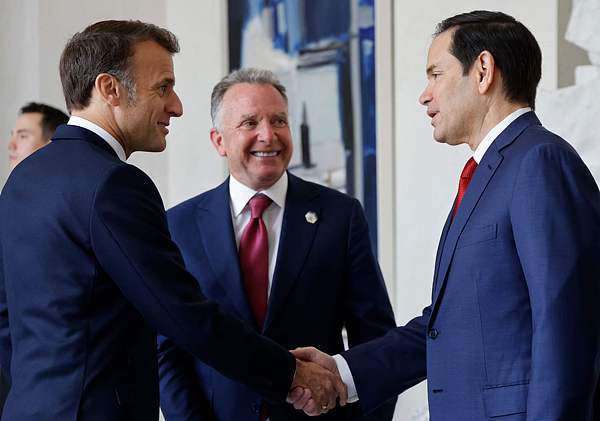
Group 1 - French President Macron emphasizes the need for Europe to engage directly with Russian leaders as the US pushes for peace negotiations [1] - Macron suggests that Europe must either achieve a lasting peace in current negotiations or find a way to re-engage in dialogue with Russia, indicating that talking to Putin could be beneficial [1] - US President Trump is leading a new round of peace efforts, with a specific security guarantee proposal aimed at preventing further Russian aggression [1] Group 2 - Trump believes that negotiations to end the Ukraine conflict are nearing progress, with his envoys planning to meet with Russian representatives [1] - A recent poll indicates that few Ukrainians are willing to make territorial concessions, which remain a key condition for Russia to end the war [1] - The EU has agreed to provide €90 billion (approximately $106 billion) in loans to Ukraine over the next two years, marking a significant shift from previous funding strategies [2]
泽连斯基:期待与美国保持积极合作
Zhong Guo Xin Wen Wang· 2025-11-26 05:31
Group 1 - Ukrainian President Zelensky expressed the expectation for positive cooperation with the United States to effectively push for the end of the Russia-Ukraine conflict [1] - Zelensky attended an online meeting of the "Volunteer Alliance," led by France and the UK, aimed at providing security guarantees for Ukraine [1] - The Geneva talks have yielded some positive results, and Ukraine is ready to advance the peace framework proposed in Geneva with the US and European countries [1] Group 2 - Zelensky is prepared to meet with US President Trump to discuss relevant issues, with a potential meeting as early as November 27 [2] - UK Prime Minister Starmer indicated that ceasefire negotiations are progressing positively, and key talks in Geneva have made progress [2] - The US and Ukraine agreed to continue cooperation on a joint proposal for the peace plan following discussions in Geneva, resulting in a revised peace framework document [2]
英国、法国、德国、意大利、加拿大、爱尔兰、西班牙、荷兰、挪威、芬兰、欧洲理事会、欧盟委员会,发表联合声明
Zhong Guo Ji Jin Bao· 2025-11-23 00:08
Core Points - The joint statement from multiple European countries and the EU acknowledges the U.S. "28-point" plan as a basis for ending the Russia-Ukraine conflict but indicates that further work is needed [1] - The statement expresses concerns about limiting the size of the Ukrainian military and emphasizes continued cooperation with Ukraine and the U.S. in the coming days [1] Group 1 - The U.S. government is attempting to restart peace negotiations between Russia and Ukraine, having drafted a "28-point" plan that includes aspects of peace, security guarantees, and future relations [1] - Ukraine's delegation will participate in talks in Switzerland regarding the U.S. peace plan, with President Zelensky approving the delegation members [2] - Ukraine aims to achieve a dignified peace that protects its people's legitimate interests and the foundation of European security [3] Group 2 - President Zelensky signed a decree to establish a Ukrainian delegation for negotiations with the U.S. and other international partners, with the goal of achieving a fair and sustainable peace [5] - The delegation is led by the head of the President's Office, Andriy Yermak, and includes key officials from Ukraine's national security and defense sectors [5] - Ukrainian officials, including Secretary of the National Security and Defense Council Oleksiy Danilov, will discuss the potential framework for a future peace agreement with U.S. officials [6]
英国、法国、德国、意大利、加拿大、爱尔兰、西班牙、荷兰、挪威、芬兰、欧洲理事会、欧盟委员会,发表联合声明
中国基金报· 2025-11-23 00:05
Group 1 - The core viewpoint of the article is that multiple parties, including the European Council and various countries, have expressed support for the U.S. proposed "28-point" plan to end the Russia-Ukraine conflict, while emphasizing the need for further work and expressing concerns about certain aspects of the plan [2] - The U.S. government is attempting to restart peace negotiations between Russia and Ukraine, having drafted a new "28-point" plan that includes topics such as Ukraine's peace and security guarantees, European security, and future relations between the U.S. and both Russia and Ukraine [2] - Ukrainian President Zelensky has signed a decree to establish a delegation to participate in negotiations with the U.S. and other international partners, aiming for a fair and sustainable peace [6] Group 2 - The Ukrainian delegation will participate in talks in Switzerland regarding the U.S. "peace plan," with an emphasis on constructive work to achieve genuine peace [3] - Ukrainian officials, including the Secretary of the National Security and Defense Council, have stated that they have a clear understanding of their interests and will use this as a basis for advancing the negotiation process [7] - The Ukrainian government aims to achieve a dignified peace that protects the legitimate interests of its people and the foundation of European security [4]