俄乌冲突政治解决

Search documents
“俄乌只剩一个问题,那就是领土”
Xin Lang Cai Jing· 2026-01-25 17:15
Core Points - The first tripartite security working group talks between Russia, Ukraine, and the United States took place in Abu Dhabi on January 23-24, marking a significant diplomatic engagement since the escalation of conflict in February 2022 [1][2] - The discussions were described as "constructive," with some preliminary progress on military security issues, although core territorial disputes remain unresolved [1][6] - The talks are seen as a potential opening for complex negotiations, despite ongoing battlefield actions and fundamental disagreements [1][6] Group 1: Meeting Structure and Participants - The meeting was structured into two tracks: political and military, with initial discussions on the first day and more focused negotiations on the second day [3] - The Russian delegation was led by Igor Kostyukov, while the Ukrainian team was headed by Rustem Umerov, including high-ranking military and political officials [1][2] - U.S. representatives included James Witte and Jared Kushner, indicating a high-level engagement from all parties involved [1][2] Group 2: Key Discussion Topics - Military discussions included potential disengagement of frontline troops, establishment of ceasefire monitoring mechanisms, and creation of buffer zones [3] - Ukraine's President Zelensky mentioned that the U.S. proposed a "possible plan" to end the war, with military representatives identifying topics for future talks [3] - Political discussions were more challenging, focusing on the future status of the Donbas region and safety arrangements for the Zaporizhzhia nuclear power plant, with both sides maintaining firm positions [3][5] Group 3: Challenges and Future Prospects - The territorial issue, particularly concerning Donbas, was highlighted as a major obstacle to reaching a long-term agreement, with both sides expressing conflicting views on the matter [5][8] - Despite the lack of a joint statement or specific agreements, all parties expressed a willingness to continue dialogue, with plans for further talks in the following week [6] - Analysts suggest that while the talks represent a new opportunity for dialogue, significant challenges remain, including territorial disputes and the uncertainty of U.S. policies [8]


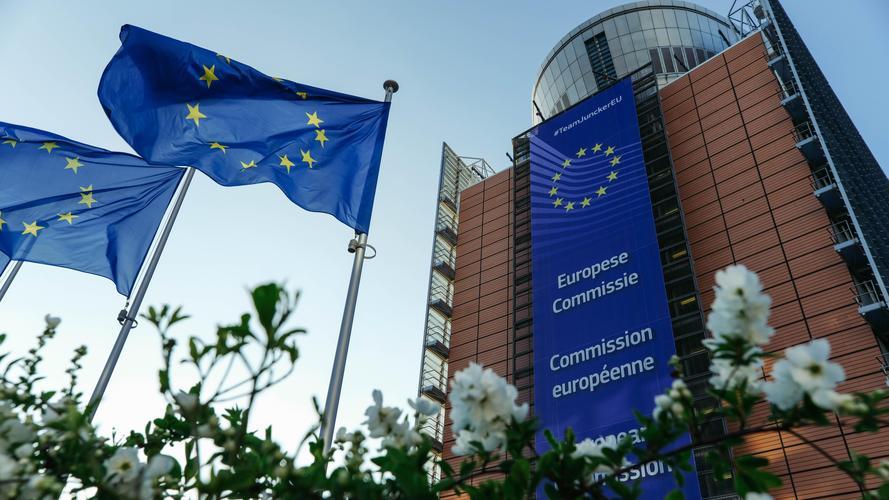
日内瓦会谈:欧盟的“席位”与“声量”
Yang Shi Xin Wen· 2025-11-25 13:24
Core Viewpoint - The meeting between the US and Ukraine in Geneva on November 23 is seen as a crucial step towards a political resolution of the Russia-Ukraine conflict, raising questions about Europe's role and influence in the crisis [1]. Group 1: Meeting Outcomes - The US and Ukraine announced a revised peace framework in response to previous drafts that were criticized for favoring Russian interests, which included demands for Ukraine to cede territory and limit its military [3]. - The updated document reflects a consensus between the two parties, with the US expressing optimism, although it remains a work in progress and not finalized [5]. - Despite the optimistic statements, the atmosphere during the talks was reportedly tense, with Ukrainian representatives showing signs of stress [7]. Group 2: European Involvement - European leaders expressed skepticism about the US proposal, citing concerns that they were excluded from the drafting process, which led to perceptions that the plan favored Russian interests [9]. - EU Commission President Ursula von der Leyen emphasized three key points regarding Ukraine's sovereignty and security, marking a clear stance from the EU on the conflict [11]. - Following the Geneva talks, EU leaders held informal meetings to discuss strategies and reaffirmed their commitment to providing ongoing support to Ukraine, including military and economic assistance [12][13]. Group 3: Structural Challenges - Despite the EU's active participation, it remains outside the core negotiations between the US and Russia, facing internal divisions regarding its role and strategy in the peace process [13]. - The EU's desire to maintain a significant position in post-conflict regional security is challenged by the potential dominance of the US or Russia in shaping agreements [14].
转折点或在阿拉斯加:4年来俄美领导人首次会晤,有哪些看点?
Di Yi Cai Jing· 2025-08-14 13:49
Group 1 - The core topics of the upcoming meeting between US President Trump and Russian President Putin include sanctions against Russia, US-Russia relations, and political solutions to the Russia-Ukraine conflict [1] - The meeting is significant as it marks the first in-person meeting between the two leaders in four years and Putin's first visit to the US in a decade [2] - The long-term peaceful resolution of the Ukraine crisis is expected to be a major agenda item, with Trump warning of "very serious consequences" if Putin does not accept a ceasefire proposal [2][4] Group 2 - Experts suggest that while a single meeting cannot resolve the complex issues behind the conflict, achieving some framework for consensus on the ceasefire could facilitate future discussions between US-Russia and Ukraine leaders [4][6] - The geographical significance of Alaska as a meeting point is highlighted, being the closest US state to Russia, which may evoke historical memories between the two nations [4][5] - The potential for discussions on lifting economic sanctions against Russia is also a key focus, with ongoing negotiations expected between the two sides [6][9] Group 3 - The meeting's success may hinge on addressing the contentious territorial issues related to the Ukraine conflict, with both sides needing to make compromises [7][10] - European leaders have expressed concerns about being excluded from discussions regarding the Ukraine crisis, emphasizing that any diplomatic solution must protect European and Ukrainian security interests [10] - The ongoing conflict has exhausted both Russia and Ukraine, with significant costs incurred on both sides, suggesting a pressing need for a diplomatic resolution [11]