对俄制裁

Search documents
普京迎来利好消息,欧盟内部出现分歧声音,对俄制裁推进受阻,乌克兰方面则遭遇重大损失
Sou Hu Cai Jing· 2026-02-25 23:43
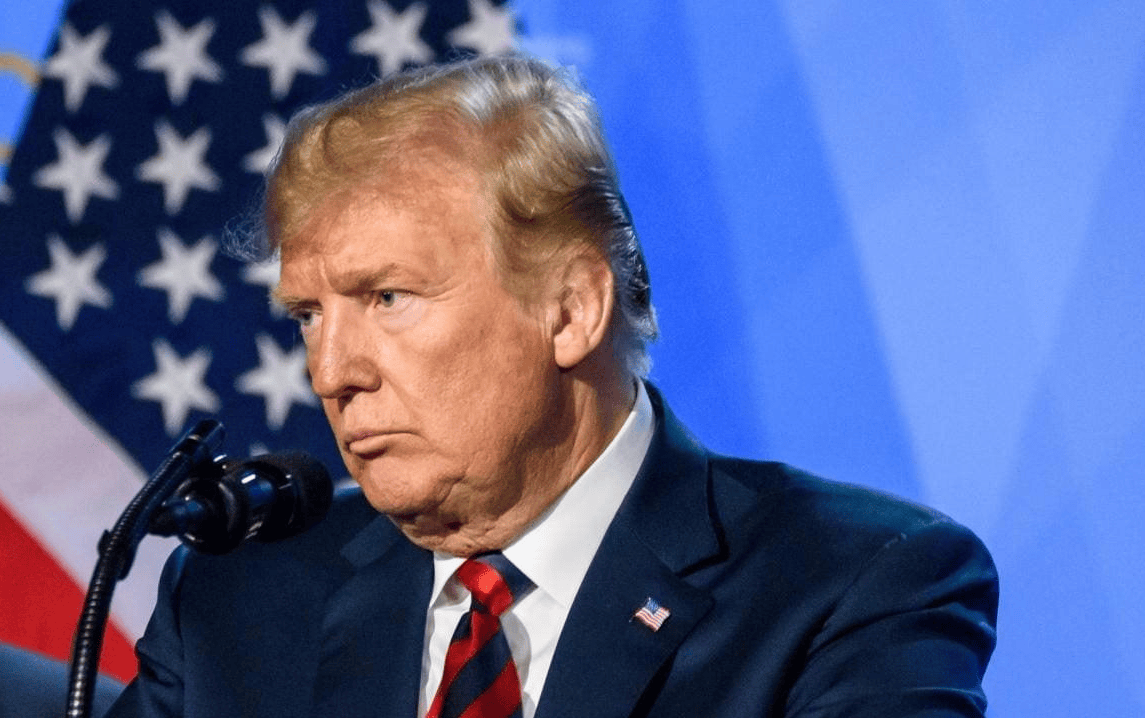
Core Viewpoint - Hungary's actions disrupt the EU's plans for new sanctions against Russia, highlighting internal divisions within the bloc and the complexities of energy dependence amid the ongoing Ukraine conflict [1][15][22]. Group 1: Hungary's Position and Actions - Hungary's Foreign Minister announced that the country would oppose any new sanctions against Russia unless Ukraine restores oil supplies through a key pipeline [1][5]. - The Hungarian government has consistently maintained a pro-Russian stance, prioritizing national interests over EU solidarity [4][6]. - Hungary relies heavily on Russian energy, with over 60% of its natural gas and nearly half of its oil sourced from Russia, making sanctions economically unfeasible for the country [5][6][29]. Group 2: Ukraine's Strategy and Miscalculations - Ukraine's decision to cut off oil supplies was intended to pressure Hungary but backfired, leading to Hungary's stronger opposition to sanctions [1][15]. - The Ukrainian government may have underestimated Hungary's resolve and the potential for internal EU divisions [47][48]. - The situation illustrates a strategic miscalculation by Ukraine, as it failed to consider Hungary's political and economic priorities [47][48]. Group 3: EU's Internal Dynamics - The EU's unity is fragile, with member states having differing energy needs and political pressures, complicating collective action against Russia [14][15]. - Hungary's defiance reveals the limitations of the EU's approach to sanctions, as not all member states can afford to bear the economic costs [14][41]. - The potential for other countries to follow Hungary's lead raises concerns about the overall effectiveness of the EU's sanctions regime against Russia [17][25][41]. Group 4: Broader Implications for Ukraine - The weakening of EU support for Ukraine could lead to a more precarious situation for the country, especially as U.S. policy shifts under a new administration [20][21]. - Ukraine's reliance on Western support is becoming increasingly uncertain, with the potential for reduced aid impacting its military and economic stability [18][20]. - The internal EU conflict over sanctions may hinder Ukraine's ability to effectively counter Russian aggression, emphasizing the need for a more independent strategic approach [34][35][47].

俄乌冲突四周年!欧洲高官齐聚基辅,美国高层却集体缺席
Jin Shi Shu Ju· 2026-02-24 12:21
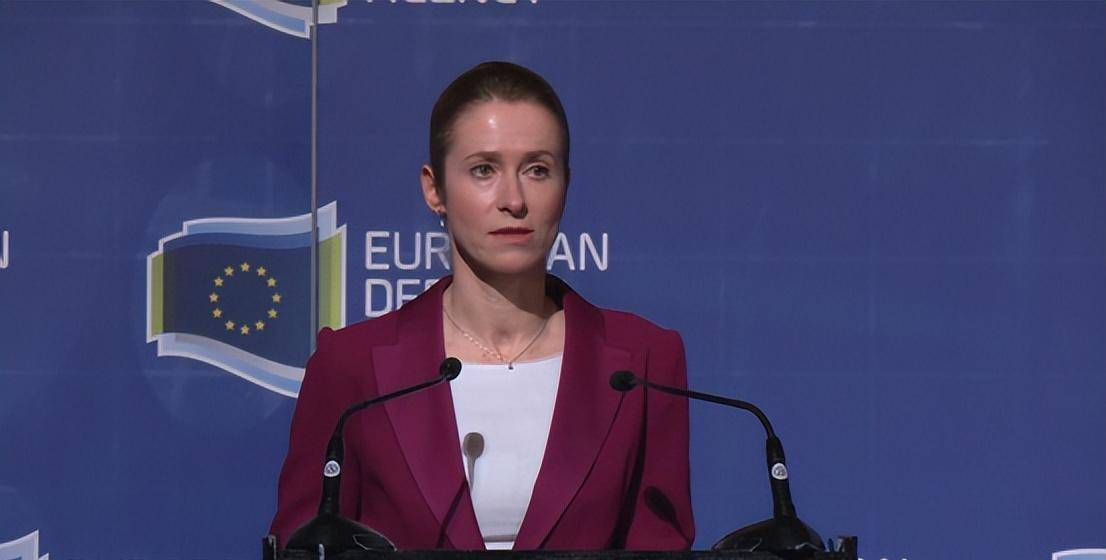
Group 1 - European leaders gathered in Kyiv to commemorate the fourth anniversary of the Russia-Ukraine conflict, reflecting a shift in the U.S. stance towards neutrality after failed efforts to end the conflict [1] - Ukrainian President Zelensky expressed pride in Ukraine's resilience, stating that the country has maintained its independence and that Putin has not achieved his goals [2][3] - Russian spokesperson Peskov acknowledged that Russia has not met all military objectives and indicated that fighting will continue [3] Group 2 - Peskov stated that Russia is willing to end the conflict peacefully, but only if Ukraine accepts Putin's terms [4] - European leaders arrived in Kyiv with limited resources, as Hungary blocked a €90 billion loan and new sanctions against Russia, deepening tensions [4] - Multiple rounds of peace talks, including trilateral discussions involving the U.S., Russia, and Ukraine, have not yielded significant breakthroughs, with both sides holding firm on territorial claims [4] Group 3 - Zelensky expressed frustration over the U.S. adopting a neutral stance and pressuring both sides to reach a resolution, emphasizing the urgent need for a ceasefire [5] - The ongoing conflict has resulted in significant casualties, with estimates suggesting total losses could reach 2 million by spring, marking one of the highest military losses for a major power since World War II [5] - NATO Secretary General Rutte highlighted the necessity for Ukraine to receive continued military, financial, and humanitarian support to withstand Russian aggression [6] Group 4 - The UK government announced its largest sanctions package against Russia since the conflict began, targeting Russian energy revenues and military suppliers [6] - Following increased sanctions pressure from the UK and its international partners, Russian oil revenues have fallen to their lowest level since 2020 [6]
美财长:是否追加对俄制裁取决于和平谈判进展
Yang Shi Xin Wen· 2026-02-05 23:49
Core Viewpoint - The decision on further sanctions against Russia will depend on the progress of peace negotiations aimed at ending the Russia-Ukraine conflict [1] Group 1 - U.S. Treasury Secretary Scott Bansenet indicated that new sanctions options targeting Russia's "shadow fleet" are being considered [1] - A three-party meeting involving Russia, Ukraine, and the U.S. concluded in Abu Dhabi without substantial progress on key issues such as territory and ceasefire [1] - No joint statement was issued regarding political and security issues following the talks [1]
刚刚,大规模突袭!俄罗斯,发射36枚导弹!
Zheng Quan Shi Bao Wang· 2026-01-10 09:41
Group 1 - Russia launched a large-scale attack on Ukraine on January 9, using dozens of missiles and over 200 drones, targeting critical infrastructure [1][2] - Ukrainian President Zelensky reported that 242 drones and various missiles, including 13 ballistic missiles and 22 cruise missiles, were used in the attack, resulting in 4 deaths and 19 injuries in Kyiv [1][2] - The Russian Defense Ministry stated that the strikes were a response to a previous attack on President Putin's residence, targeting facilities related to drone production and energy support for military industries [2][3] Group 2 - The Ukrainian Air Force reported that on January 9, Russia used 36 missiles and 242 drones in attacks on key infrastructure, with significant damage reported in Kyiv [2][3] - Ukrainian officials are pushing for an emergency meeting of the UN Security Council and NATO to address the attacks, emphasizing the absurdity of Russia's justification for the strikes [3] - The conflict has seen Russia conducting multiple large-scale strikes and controlling additional settlements, with ongoing military engagements reported [4] Group 3 - U.S. President Trump expressed support for a bipartisan bill imposing sanctions on Russia, indicating a shift in his stance after months of indecision [5] - Ukraine's President Zelensky mentioned that a bilateral security agreement with the U.S. is nearly finalized, aiming to strengthen Ukraine's position in negotiations [5] - Discussions are ongoing regarding the establishment of a multinational force in Ukraine post-conflict, with emphasis on the need for Russian consent for any such arrangements [6][7]
刚刚,大规模突袭!俄罗斯,发射36枚导弹!
券商中国· 2026-01-10 09:07
Core Points - Russia launched a large-scale attack on Ukraine on January 9, using dozens of missiles and over 200 drones targeting critical infrastructure [1][2] - The Ukrainian government reported casualties of 4 dead and 19 injured due to the drone strikes in Kyiv [1][2] - The attack was described as a retaliation for an alleged Ukrainian attack on a Russian presidential residence [2] Summary by Sections Attack Details - Russia's military used 242 drones and various missile types, including 13 ballistic missiles and 22 cruise missiles, to strike energy and civilian infrastructure in Ukraine [1][2] - The Ukrainian Air Force confirmed the use of a medium-range ballistic missile, referred to as "Zaltsa," in the attack on Lviv, marking the first use of such weapons in that region since the conflict began [3] International Response - U.S. President Trump expressed support for a bipartisan bill imposing sanctions on Russia, indicating a shift in his stance after months of indecision [5] - Ukrainian President Zelensky announced that a bilateral security agreement with the U.S. is nearly finalized, aiming to strengthen Ukraine's defense capabilities [5] Military Developments - The Russian Defense Ministry reported that it had completed its designated strike tasks, targeting facilities related to drone production and energy support for military industries [2] - In the past week, Russian forces reportedly controlled five settlements and engaged in multiple attacks on Ukrainian military and logistical targets [4] Diplomatic Efforts - Ukraine's Foreign Minister stated that Ukraine would push for an emergency meeting of the UN Security Council in response to the attacks [3] - Discussions regarding the establishment of a multinational force in Ukraine post-conflict were highlighted, with emphasis on the need for a ceasefire agreement with Russia [7]

早盘速递-20260109
Guan Tong Qi Huo· 2026-01-09 01:20
Report Summary 1. Hot News - Gold has officially surpassed US Treasuries to become the world's largest reserve asset for the first time in thirty years. As of the end of 2025, the value of global official gold reserves held overseas by the US reached $3.93 trillion, exceeding the value of overseas official US Treasuries, which was nearly $3.88 trillion as of October last year [2]. - US President Trump has agreed to promote a bill to strengthen sanctions against Russia. The Chinese Foreign Ministry spokesperson stated that normal economic and energy cooperation between China and Russia does not target third - parties and should not be interfered with [2]. - The State Administration for Market Regulation recently约谈 the China Photovoltaic Industry Association and six leading polysilicon enterprises, warning of monopoly risks and setting restrictions on production and price - related agreements [2]. - Indonesia may approve about 600 million tons of coal production quotas in 2026 and adjust its nickel quotas according to industry demand. The domestic demand for nickel ore in Indonesian smelters is expected to rise from about 300 million tons in 2025 to about 340 - 350 million tons in 2026 [2]. - CME announced on January 8 (local time) that it will raise the performance bond for precious metal varieties after the market on January 9, which is the third such notice in the past month [3]. 2. Key Focus - The key commodities to focus on are urea, lithium carbonate, polysilicon, crude oil, and plastic [4]. 3. Night - session Performance - **Plate Performance**: The night - session price changes of different commodity futures sectors are as follows: non - metallic building materials 2.17%, precious metals 30.68%, oilseeds 8.01%, non - ferrous metals 28.17%, soft commodities 3.26%, coal, coking, and steel 10.67%, energy 2.41%, chemicals 10.22%, grains 1.16%, and agricultural and sideline products 3.25% [4]. - **Plate Position**: The document shows the position changes of commodity futures sectors in the past five days [5]. 4. Performance of Major Asset Classes - **Equity**: The daily, monthly, and annual percentage changes of major stock indices are provided. For example, the Shanghai Composite Index had a daily change of - 0.07%, a monthly change of 2.88%, and an annual change of 2.88% [6]. - **Fixed - income**: The daily, monthly, and annual changes of different - term treasury bond futures are presented. For instance, the 10 - year treasury bond futures had a daily change of 0.15%, a monthly change of - 0.06%, and an annual change of - 0.06% [6]. - **Commodity**: The performance of commodities such as the CRB commodity index, WTI crude oil, London spot gold, LME copper, and the Wind commodity index is shown. For example, WTI crude oil had a daily change of 4.27%, a monthly change of 1.53%, and an annual change of 1.53% [6]. - **Other**: The daily, monthly, and annual changes of the US dollar index and the CBOE volatility index are given. The US dollar index had a daily change of 0.12%, a monthly change of 0.60%, and an annual change of 0.60% [6]. 5. Trends of Major Commodities - The document presents the trends of various commodities including the Baltic Dry Index (BDI), CRB spot index, WTI crude oil, London spot gold, London spot silver, LME 3 - month copper, and agricultural products such as CBOT soybeans and CBOT corn, as well as relevant ratios like the gold - oil ratio and copper - gold ratio, and stock market risk premiums [7].
欧洲领导人与乌总统通话 强调对乌支持
Yang Shi Xin Wen· 2025-12-27 20:40
Core Viewpoint - European Union (EU) leaders reaffirmed their support for Ukraine during a call with President Zelensky, emphasizing the importance of achieving a just and lasting peace while maintaining Ukraine's sovereignty and territorial integrity [1] Group 1: EU Support for Ukraine - European Commission President Ursula von der Leyen stated that the EU will continue to pressure Russia and support Ukraine on its path to EU membership by 2026 [1] - European Council President Costa emphasized that EU support for Ukraine remains unwavering, highlighting recent decisions to ensure funding for Ukraine over the next two years and to extend sanctions against Russia [1] - Dutch Prime Minister Rutte reiterated unconditional support for Ukraine and the importance of continued cooperation among the US, Ukraine, and Europe, committing to ongoing military support, including air defense [1]
内心挣扎后妥协?欧洲不敢明抢俄罗斯,核心顾虑藏不住了
Sou Hu Cai Jing· 2025-12-23 07:24
Group 1 - The core viewpoint is that Europe's reluctance to adopt extreme measures against Russia, despite internal pressure from hardliners, reflects a significant compromise that impacts its stance on supporting Ukraine and highlights Europe's apprehension towards Russia's power [2][3]. - The energy security crisis poses an economic shock, with Russia still accounting for 15% of the EU's total natural gas imports in 2023, making it the third-largest supplier. Predictions indicate a 10% increase in LNG imports from Russia in 2024, revealing Europe's dependency as a "soft spot" and undermining confidence in its energy autonomy plans [2][3]. - Internal divisions among EU member states are evident, with Hungary's Prime Minister openly criticizing the EU's abandonment of Russian fossil fuels as a cause for economic slowdown and high energy prices. This dissent poses a direct challenge to the EU's unified stance on sanctions against Russia [3]. Group 2 - Russia's nuclear deterrence strategy has created a sense of urgency in Europe, as Russia has reiterated its willingness to use all means to protect its national interests. The lack of prior diplomatic communication regarding military exercises adds to the tension, signaling a clear warning to European hardliners [3]. - Global public opinion and concerns from allies, particularly the United States, complicate the situation. The U.S. has urged Europe to avoid actions that could trigger a global trust crisis, reflecting internal divisions within the West regarding extreme measures against Russia [4]. - The dynamics of Europe's compromise and the ongoing geopolitical games suggest that if Europe continues to be influenced by hardliners pushing for extreme measures, its energy and economic crises may worsen. Conversely, recognizing the intertwined interests with Russia and seeking dialogue could lead to a potential easing of tensions [4].
欧盟对俄实施第19轮制裁,美财长:如果要做某件事19次,那就已经失败了
Huan Qiu Wang· 2025-11-24 06:00
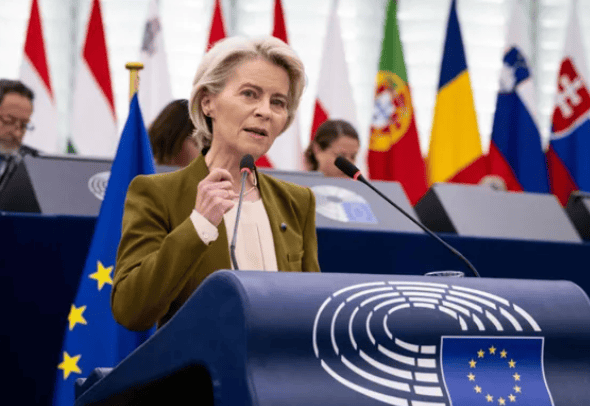
Group 1 - The U.S. Treasury Secretary criticized European leaders for planning additional sanctions against Russia, stating that the EU's sanctions have "failed" [1][3] - The Secretary highlighted that if a measure is implemented 19 times, it indicates failure, referring to the EU's 19th round of sanctions against Russia [3] - The EU's 19th round of sanctions includes 69 new individual sanctions and various economic restrictions, primarily targeting Russia's energy, finance, and military sectors [3] Group 2 - The EU Commission President announced that member states have approved the 19th round of sanctions, marking the first time the EU targets Russia's natural gas industry [3] - The Russian Foreign Ministry spokesperson stated that the new sanctions will not achieve their intended effects and may harm the EU itself, asserting that Russia has developed immunity to sanctions [3] - Despite facing sanctions, Russia intends to continue developing its economic and political potential [3]
特朗普:将对任何与俄罗斯有商业往来的国家实施制裁
Sou Hu Cai Jing· 2025-11-17 15:40
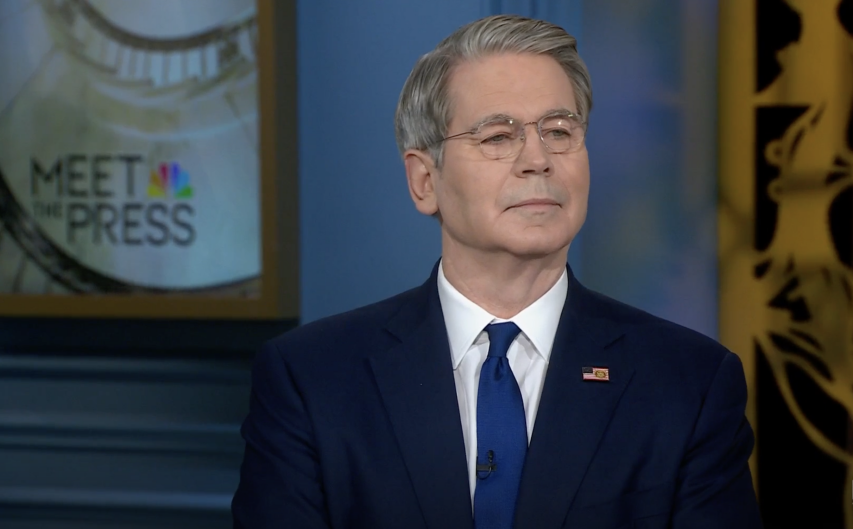
Core Points - Trump announced that Republicans are advancing a bill to impose sanctions on any country conducting business with Russia [1] - The proposed legislation allows Trump to impose tariffs of up to 500% on goods imported from countries purchasing Russian energy, particularly affecting major consumers like China and India [1] - The U.S. government has already implemented significant sanctions against major Russian oil companies, including Lukoil and Rosneft [1] Summary by Sections Legislative Actions - Republicans are submitting a bill that includes severe sanctions against countries engaging in business with Russia [1] - Senate Majority Leader John Thune is prepared to vote on the long-pushed sanctions bill by Senator Lindsey Graham [1] Economic Implications - The bill would enable the imposition of high tariffs on imports from countries buying Russian energy, which could significantly impact trade relations with countries like China and India [1] Current Sanctions Status - The Trump administration has already enacted substantial sanctions against Russian oil companies [1] - U.S. Secretary of State Rubio indicated that the U.S. has reached its limit on new sanctions against Russia and will focus on enforcing existing measures [1]