保姆式监管

Search documents
做“哥们”还是做“保姆”?中国投资新生态里的GP/LP信任大考
投中网· 2025-12-04 06:22
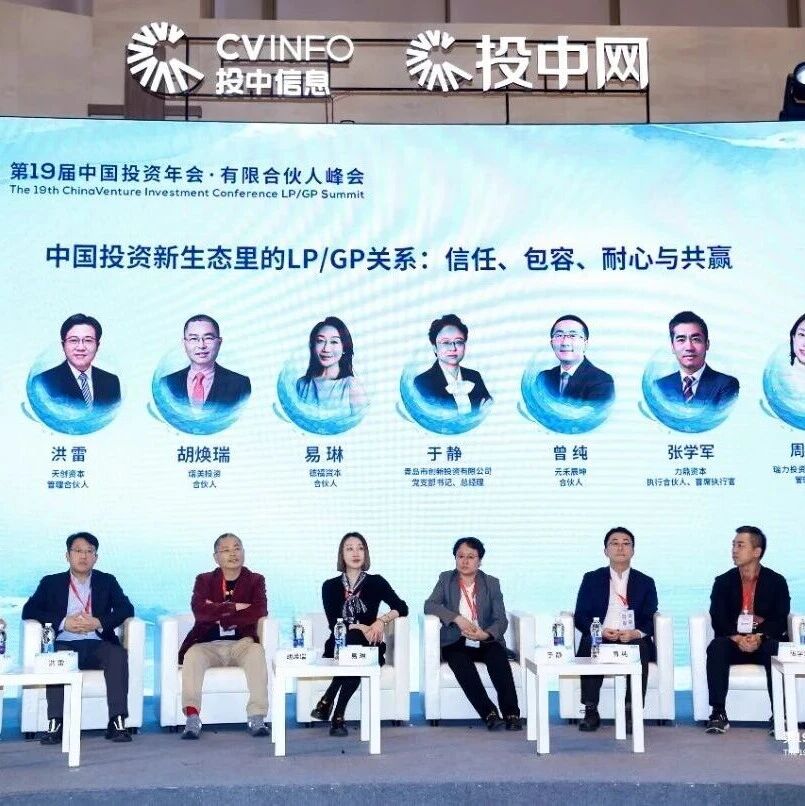
Core Viewpoint - The relationship between GP (General Partner) and LP (Limited Partner) in China's private equity investment industry is undergoing significant changes, primarily driven by the increasing dominance of state-owned capital, which has altered the fundraising landscape and reshaped the dynamics of GP-LP interactions [3][19]. Group 1: Changes in GP-LP Dynamics - The investment landscape is characterized by a fundamental shift where state-owned capital has become the main source of funding, leading to a complex interplay of demands from LPs, particularly regarding capital preservation and growth [3][19]. - The pressure on GPs to meet the diverse and often conflicting demands of state-owned LPs is intensifying, as these LPs seek to leverage fiscal funds to support local economic development while also ensuring returns on their investments [3][20]. - GPs are encouraged to maintain a balance between meeting LP expectations and adhering to their investment strategies, emphasizing the importance of professional judgment in navigating these pressures [4][21]. Group 2: Strategies for Addressing LP Demands - GPs are advised to adopt a selective approach in their investment strategies, focusing on projects that align with local economic conditions and avoiding forced investments that could lead to poor outcomes [4][26]. - Establishing strong relationships with local governments and understanding their needs can help GPs better align their investment strategies with LP expectations, fostering a collaborative environment [4][26]. - The importance of communication and mutual understanding between GPs and LPs is highlighted, as it can lead to more effective partnerships and better investment outcomes [4][29]. Group 3: The Role of Trust and Professionalism - Trust is a critical component of the GP-LP relationship, with LPs relying on GPs' expertise and professional judgment rather than imposing stringent oversight or "nanny-style" regulations [4][39]. - GPs are encouraged to maintain their independence in decision-making while keeping LPs informed about investment strategies and outcomes, fostering a collaborative rather than a controlling relationship [4][39]. - The evolution of LP expectations reflects a growing recognition of the need for GPs to operate with a high degree of professionalism and expertise, which is essential for building long-term partnerships [4][40]. Group 4: Innovative Incentive Mechanisms - Recent trends indicate that LPs are increasingly interested in innovative incentive structures, such as performance-based adjustments to management fees and carry, to align interests and encourage GPs to deliver superior returns [4][47]. - Positive incentive mechanisms are preferred over punitive measures, as they promote a collaborative environment where GPs are motivated to achieve better performance outcomes [4][48]. - The ongoing dialogue between GPs and LPs regarding incentive structures is crucial for ensuring that both parties can effectively navigate the complexities of the investment landscape [4][50].