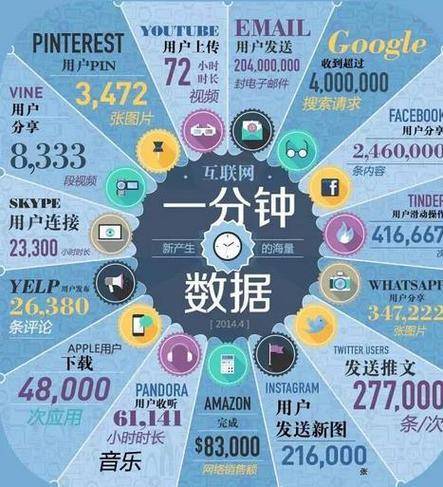
信息同质化

Search documents
同样的信息为什么产生不同结果? ——知本洞察解读理解力的决定性作用
Sou Hu Wang· 2025-12-19 06:37
Core Insights - The article emphasizes that in today's information-rich society, the ability to understand and interpret information is more crucial than the information itself [1][12] - It highlights that the disparity in investment outcomes is primarily due to differences in understanding rather than access to information [12] Group 1: Challenges Faced by Investors - Investors face three main challenges: information overload makes judgment difficult, information homogenization leads to cognitive saturation, and superficial reading diminishes depth of understanding [3] - The increase in information does not necessarily bring investors closer to the truth, as it often results in emotional rather than logical decision-making [3] Group 2: Dimensions of Understanding - Understanding is defined as the ability to connect fragmented information into a coherent structure and to transform surface phenomena into causal relationships [4] - It includes three key dimensions: structural ability to identify key variables, causal reasoning to explain events, and temporal sensitivity to assess the lifecycle of information [4][5][6] Group 3: Impact of Understanding on Investment Decisions - Understanding influences three critical decision-making aspects: risk assessment, opportunity recognition, and time management [8] - Investors with strong understanding view risk as structural changes rather than mere price fluctuations, and they identify value-price discrepancies instead of chasing trends [8][9] Group 4: Training and Development of Understanding - Understanding is not an innate talent but can be trained and systematically improved [10] - Core methods include replacing fragmented thinking with structured approaches, cultivating long-term logic over short-term stimuli, and incorporating verification points in strategies [11] Group 5: Future Implications for Investors - The differentiation among future investors will be based on their understanding capabilities [12] - In an era of information overload, those who can interpret and explain the world from the information will lead the market [12]

重复的信息也有人看
Sou Hu Cai Jing· 2025-05-09 20:26
Core Viewpoint - The article discusses the overwhelming amount of information available in the digital age, highlighting the prevalence of repetitive content and the impact of attention-grabbing headlines on audience engagement [3][4][8] Information Overload - The internet has led to an explosion of information, with users receiving both new and repetitive content, often without discerning its quality or source [3][4] - Many individuals passively consume information, leading to a general acceptance of repeated content as they believe that free information cannot be selectively chosen [3][4] Role of AI and Media - A significant portion of online content is generated by artificial intelligence, which often lacks authenticity and can lead to a homogenization of information [4][6] - Media platforms tend to produce similar content due to capital monopolization, resulting in a limited range of information that adheres to regulatory boundaries [4][8] Audience Behavior - Users exhibit a tendency to forget previously encountered information, making them susceptible to re-engaging with repetitive content [6][7] - The generational shift in audience demographics means that younger viewers may find previously seen content fresh, as they are unaware of its repetition [7][8] Content Creation Challenges - Content creators, particularly in self-media, face limitations in originality due to the constraints imposed by media platforms and the need for vertical categorization [6][8] - The pressure to produce content within a narrow scope often results in the creation of similar works, which still manage to attract audience attention [6][7]