
信托行业风控

Search documents
央企控股信托公司被骗了?
Shang Hai Zheng Quan Bao· 2025-09-19 00:48
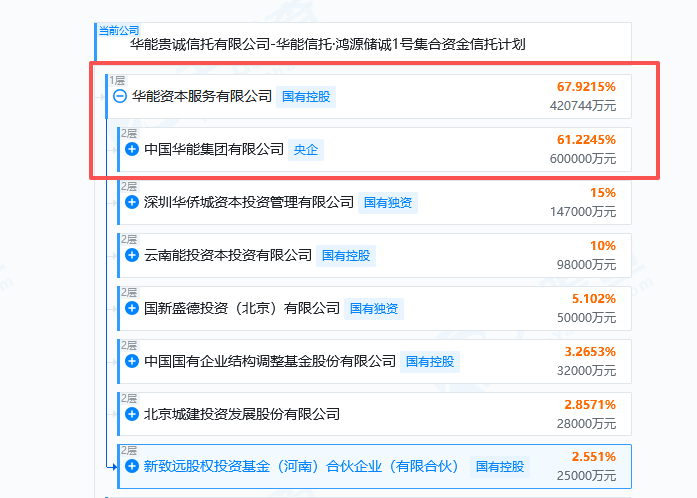
Core Viewpoint - The recent civil judgment reveals significant risks associated with Huaneng Trust Co., Ltd., as multiple investors have filed lawsuits due to the failure of trust products to repay principal and returns on time [1][3]. Group 1: Legal Issues - Investors purchased Huaneng Trust's "Huaneng Trust Jinying No. 30" trust product through Huishang Bank, with an initial investment of 2 million yuan, but were denied repayment after the product's maturity [3]. - Huaneng Trust claims that the trust contract allows for an extension of the product's duration from 12 months to 51 months without beneficiary consent, which contradicts investor understanding [3][4]. - The court found that Huaneng Trust failed to provide evidence that the trust funds were allocated to compliant underlying assets, leading to the conclusion that the company improperly managed the trust funds, infringing on investors' rights [4]. Group 2: Fraudulent Activities - The underlying issue stems from a fraudulent scheme orchestrated by individuals associated with Shenzhen Xingrui Information Technology Co., Ltd., who forged insurance policies and misrepresented borrowers to obtain over 1 billion yuan in loans [1][8]. - Huaneng Trust and Huishang Bank were unaware of the fraudulent activities, which involved bribery and the creation of fake insurance documents to facilitate unauthorized loans [8]. Group 3: Industry Implications - This incident serves as a warning for the trust industry, highlighting the need for companies to enhance due diligence and risk management practices when engaging in non-standard business operations [1][10]. - The trust sector has seen a rise in fraudulent activities, necessitating stricter oversight and adherence to risk management protocols to maintain investor trust [10][11]. - Experts emphasize the importance of thorough background checks on borrowers and regular monitoring of insurance policies to prevent similar incidents in the future [11].

信托业转型任重道远,盈利风险仍需高度警觉
Di Yi Cai Jing· 2025-06-09 03:24
Core Insights - The trust industry in China is facing a dual challenge of transitioning from old profit growth points to new ones while managing existing business risks [1][2] - As of the end of 2024, the total trust assets managed by 67 companies reached 29.56 trillion yuan, marking a year-on-year growth of 23.58%, despite a significant profit decline of 45.52% to 23.087 billion yuan [1] - The shift in the trust business model from financing and asset management to asset service trusts reflects a fundamental change, but this transition is associated with lower returns, making it difficult to replicate past profit peaks [1] Industry Challenges - Many trust companies are currently experiencing a disconnect between new and old profit growth points, alongside the need to address risks from existing business operations [2] - The ongoing decline in profits may undermine the long-term development momentum of the trust industry, with an increasing number of companies facing operational challenges and liquidity risks [3] - The number of trust companies unable to disclose their 2024 annual reports has risen to 10, with 8 companies reporting losses [3] Risk Management - Trust companies are urged to accelerate the resolution of existing business risks by leveraging the advantages of the trust system and collaborating with shareholders [4] - The real estate sector and local government financing platforms, which have been heavily relied upon by the trust industry, are undergoing significant adjustments, leading to increased defaults and disputes [4] - In 2022 and 2023, 34 and 32 trust companies reported a total of 1,005 and 296 litigation cases, respectively, with the amounts involved reaching approximately 86.3 billion yuan and 72.6 billion yuan [4] Investment Strategy - Trust companies need to enhance their capabilities in equity asset investments and focus on building professional teams to adapt to the changing market [6] - The shift of trust funds from traditional sectors like real estate to capital markets is evident, but only 1.12 trillion yuan, or 5.04%, of the over 10 trillion yuan in funds directed towards securities is allocated to stocks and funds [6] - Trust companies are encouraged to utilize their proprietary funds to support key sectors like technology innovation while managing bad debt rates effectively [6] Regulatory Environment - The trust industry requires more comprehensive and definitive supporting policies to facilitate the transition from old to new growth drivers [7] - Recent pilot programs for real estate and equity trust property registration in major cities provide a framework for the industry’s development, but further improvements in cross-regional coordination and tax policies are necessary [7] - Optimizing policies and legal frameworks for trust companies' participation in capital markets can help alleviate existing barriers and create new growth opportunities [7]