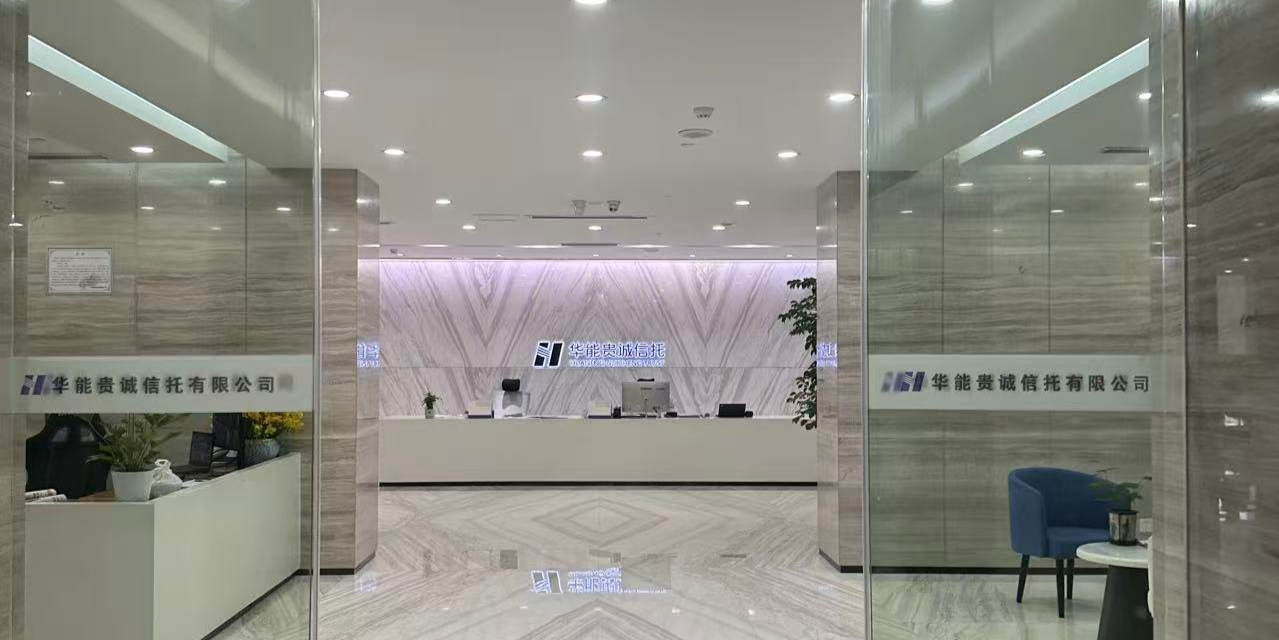
华能信托金盈系列集合资金信托计划

Search documents
审视华能信托被骗17亿案:信托重返消金牌桌,助贷新规将带来什么?
Xin Lang Cai Jing· 2025-09-26 04:05
Core Viewpoint - The recent developments in the consumption finance trust business highlight a resurgence in the sector, driven by regulatory changes and market dynamics, despite the risks exemplified by the Huaneng Trust loan fraud case [1][4][14]. Group 1: Regulatory Environment - The local securities regulatory bureau has initiated a special self-inspection of asset-backed securities (ABS) related to Huaneng Trust's "credit guarantee loan" business to prevent similar fraud risks from affecting the ABS market [1]. - The implementation of the new lending regulations on October 1 is expected to impose stricter constraints on trust institutions involved in consumer loans, including limits on borrowing rates and platform management [2][7]. Group 2: Market Trends - In the first eight months of 2025, 26 trust companies issued consumption finance collective trust plans totaling 173.3 billion yuan, marking a year-on-year increase of over 50% [4][6]. - Major trust companies such as Tianjin Trust, Guomin Trust, and Huaxin Trust have significantly increased their issuance of consumption finance trust products, with some companies doubling their issuance compared to the previous year [4][6]. Group 3: Business Models - The consumption finance trust business, which primarily involves providing consumer loans, has evolved from a focus on non-standard financing to a more regulated environment due to increased scrutiny [3][11]. - The trust companies are now exploring various business models, including lending partnerships with banks and consumer finance companies, to mitigate risks and enhance profitability [10][12]. Group 4: Risks and Challenges - The Huaneng Trust loan fraud case serves as a cautionary tale for the industry, highlighting the risks associated with over-reliance on third-party platforms and inadequate risk management practices [14][15]. - The new lending regulations are expected to challenge traditional financing models, pushing trust companies to adapt their strategies to comply with stricter regulatory requirements [29][30]. Group 5: Future Outlook - The consumption finance trust business is anticipated to continue evolving, with a focus on compliance and proactive risk management becoming paramount for trust companies [29][30]. - The shift towards asset service trusts, particularly in prepayment funding services, is seen as a potential optimal solution for trust companies facing regulatory pressures [30].

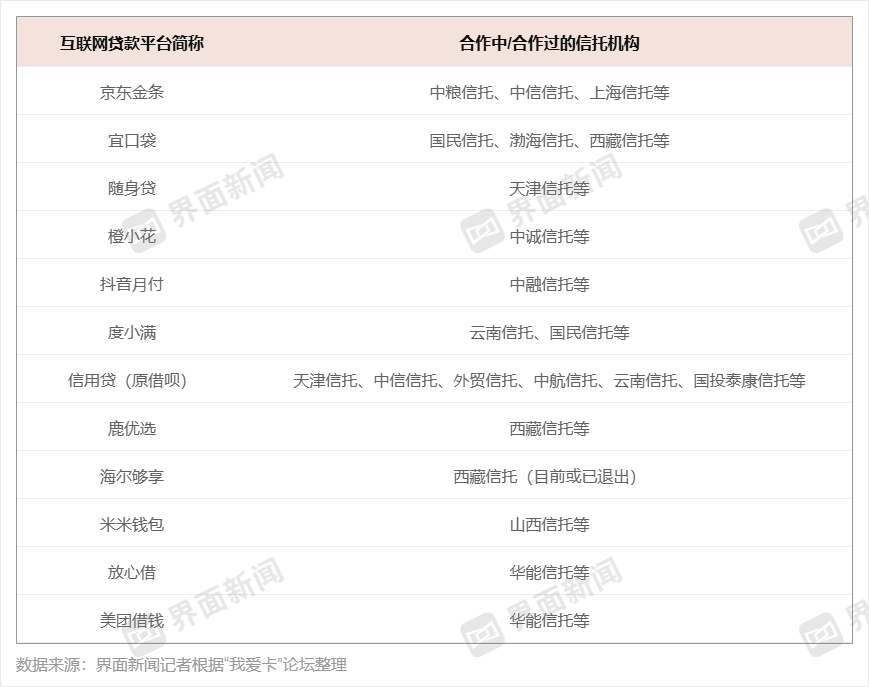
央企控股信托公司,被骗了?
Shang Hai Zheng Quan Bao· 2025-09-19 01:16
Core Viewpoint - The recent civil judgment reveals significant risks associated with Huaneng Trust Co., Ltd., as multiple investors have filed lawsuits due to the failure of trust products to repay principal and returns on time, linked to a fraudulent scheme involving over 1 billion yuan [1][4]. Summary by Sections Legal Proceedings - Investors purchased Huaneng Trust's "Huaneng Trust Jinying No. 30" product through Huishang Bank, with an initial investment of 2 million yuan, but were denied repayment after the product's maturity [2]. - Huaneng Trust claims the trust contract allows for an extension of the product's duration from 12 months to 51 months without beneficiary consent, which contradicts investor understanding [2][3]. Fraudulent Activities - The fraudulent scheme involved Shenzhen Xingrui Information Technology Co., Ltd., where its controller, Chi Jinlong, used forged insurance policies and impersonated individuals to misappropriate funds from the "Xinsure Loan" project [1][6]. - Huaneng Trust and Huishang Bank failed to adequately monitor the loan assets, leading to significant financial losses for investors [3][6]. Industry Implications - This incident serves as a warning for the trust industry, highlighting the need for companies to enhance due diligence and risk management practices to protect investor interests [7][8]. - Historical cases of fraud in the trust sector, such as the "Chengxing System" and "Jinhuang Jewelry" incidents, underline the systemic risks and the necessity for improved oversight [7][8].
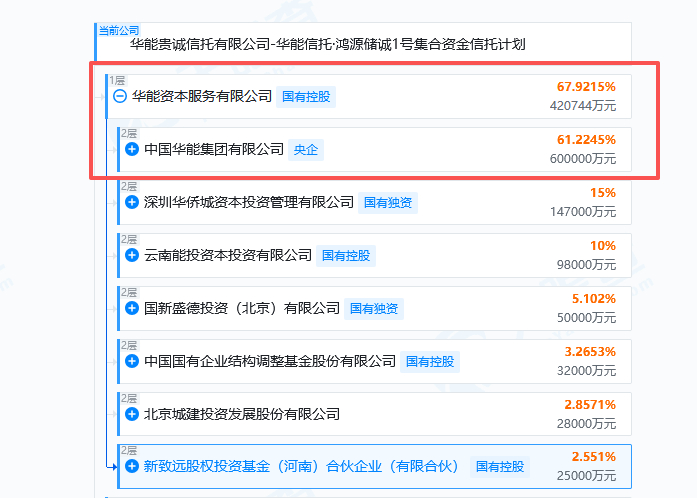
央企控股信托公司被骗了?
Shang Hai Zheng Quan Bao· 2025-09-19 00:48
Core Viewpoint - The recent civil judgment reveals significant risks associated with Huaneng Trust Co., Ltd., as multiple investors have filed lawsuits due to the failure of trust products to repay principal and returns on time [1][3]. Group 1: Legal Issues - Investors purchased Huaneng Trust's "Huaneng Trust Jinying No. 30" trust product through Huishang Bank, with an initial investment of 2 million yuan, but were denied repayment after the product's maturity [3]. - Huaneng Trust claims that the trust contract allows for an extension of the product's duration from 12 months to 51 months without beneficiary consent, which contradicts investor understanding [3][4]. - The court found that Huaneng Trust failed to provide evidence that the trust funds were allocated to compliant underlying assets, leading to the conclusion that the company improperly managed the trust funds, infringing on investors' rights [4]. Group 2: Fraudulent Activities - The underlying issue stems from a fraudulent scheme orchestrated by individuals associated with Shenzhen Xingrui Information Technology Co., Ltd., who forged insurance policies and misrepresented borrowers to obtain over 1 billion yuan in loans [1][8]. - Huaneng Trust and Huishang Bank were unaware of the fraudulent activities, which involved bribery and the creation of fake insurance documents to facilitate unauthorized loans [8]. Group 3: Industry Implications - This incident serves as a warning for the trust industry, highlighting the need for companies to enhance due diligence and risk management practices when engaging in non-standard business operations [1][10]. - The trust sector has seen a rise in fraudulent activities, necessitating stricter oversight and adherence to risk management protocols to maintain investor trust [10][11]. - Experts emphasize the importance of thorough background checks on borrowers and regular monitoring of insurance policies to prevent similar incidents in the future [11].
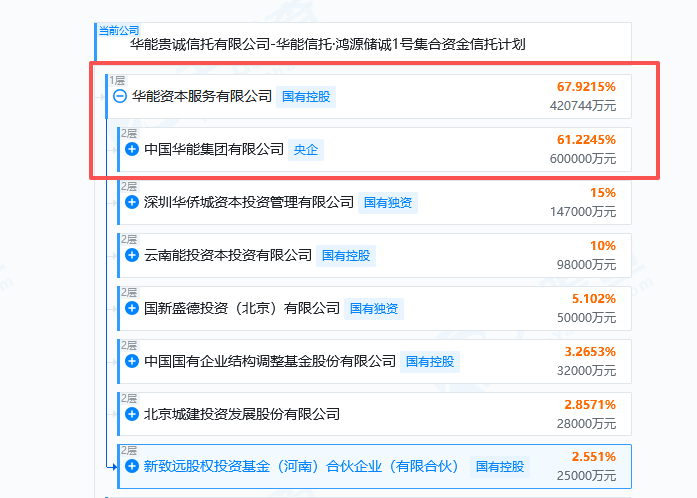
华能信托17亿元“信保贷”资金被骗幕后
经济观察报· 2025-09-16 15:31
Core Viewpoint - The article discusses the fraudulent activities involving Chi Jinlong and his company, Shenzhen Xingrui Technology Co., which manipulated the "credit guarantee loan" (信保贷) scheme in collaboration with financial institutions, leading to significant financial losses for those institutions [2][15]. Group 1: Background of the Case - Chi Jinlong, the actual controller of Shenzhen Xingrui Technology, was indicted for loan fraud and bribery, with over 1.7 billion yuan in loans involved [2]. - The case also involves notable figures such as Shao Heng, a wealthy entrepreneur, who allegedly used fraudulent methods to secure loans totaling approximately 1.268 billion yuan [10][14]. Group 2: Structure of the "Credit Guarantee Loan" Scheme - The "credit guarantee loan" business was established through a partnership between Huaneng Trust, Huishang Bank, and Shenzhen Renbao, with Huaneng Trust providing the trust funds [4][7]. - The scheme required a legitimate third-party insurance company to act as a guarantor, which led to the collaboration with Shenzhen Renbao [5][6]. Group 3: Fraudulent Activities - Chi Jinlong and his associates engaged in bribery to facilitate the creation of fake insurance policies, allowing them to bypass the necessary verification processes for loan approvals [8][9]. - The fraudulent activities resulted in significant financial losses for the involved banks, with Huishang Bank suffering losses exceeding 421 million yuan [14]. Group 4: Legal Proceedings and Outcomes - Chi Jinlong was sentenced to 6 years and 6 months in prison after pleading guilty, while Shao Heng was not prosecuted due to his cooperation with authorities and restitution of funds [24][19]. - The case has led to ongoing investigations and legal actions against the involved financial institutions, with Huaneng Trust facing lawsuits from investors due to the failure of the trust products [17][18].


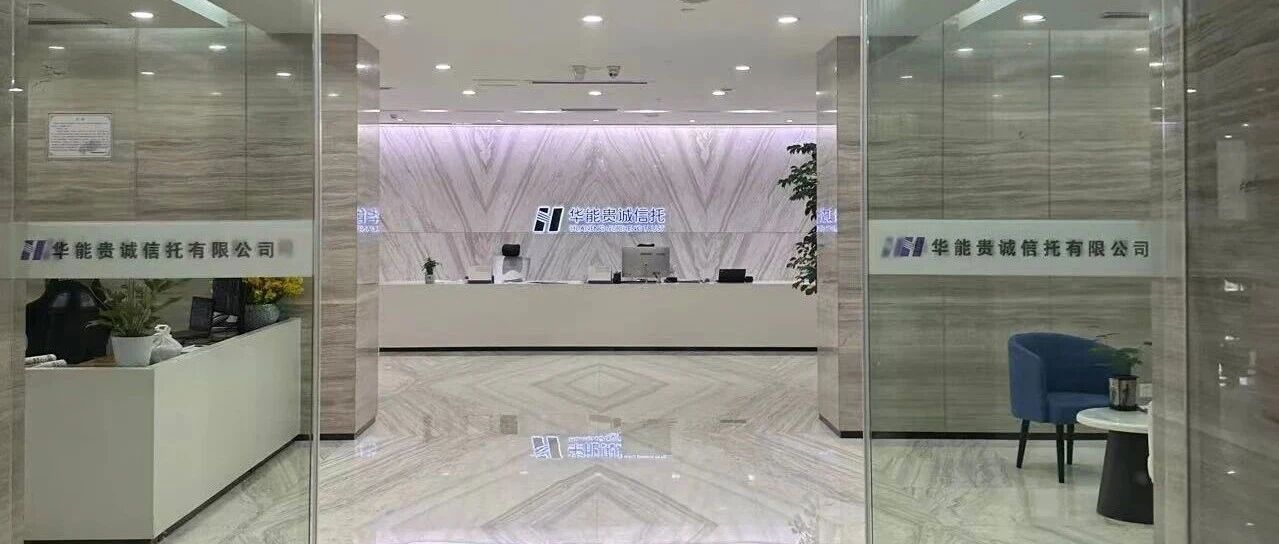
华能信托17亿元“信保贷”资金被骗幕后
Jing Ji Guan Cha Wang· 2025-09-16 15:24
Core Points - The case involves Shenzhen Xingrui Information Technology Co., Ltd. and its actual controller, Chi Jinlong, who pleaded guilty to loan fraud and bribery charges [2][19] - The fraud scheme included multiple financial institutions, resulting in significant financial losses, with over 1.7 billion yuan still unrecovered before the case was exposed [2][10] - The case also implicates Shao Heng, a wealthy individual, who allegedly used fraudulent methods to obtain loans exceeding 1.26 billion yuan, causing losses of over 420 million yuan to financial institutions [10][21] Group 1: Company Involvement - Shenzhen Xingrui Technology was involved in a fraudulent scheme to obtain loans through fake insurance policies and misrepresentation of borrower identities [8][9] - Huanneng Trust, Huishang Bank, and China People's Insurance Company were the main financial institutions affected by the fraudulent activities [2][4] - The "Credit Insurance Loan" business was established between Huanneng Trust and Huishang Bank, with the involvement of Shenzhen People's Insurance as a guarantor [4][6] Group 2: Fraud Mechanism - The fraud involved collusion between employees of Huishang Bank and Shenzhen Xingrui, who facilitated the creation of fake loan applications and insurance policies [8][9] - Chi Jinlong and his associates used bribery to bypass verification processes, allowing them to secure loans without legitimate insurance coverage [9][10] - The fraudulent loans were often distributed among multiple "dummy" accounts, complicating the tracking of the funds [11] Group 3: Legal Proceedings - Chi Jinlong was sentenced to 6 years and 6 months for his role in the fraud, while Shao Heng was not prosecuted due to his cooperation and restitution efforts [19][21] - The case has led to significant scrutiny of the involved financial institutions, with some employees already leaving their positions amid the investigation [22][24] - The legal proceedings are ongoing, with further developments expected as investigations continue into the broader implications of the fraud [18][19]