信用市场风险

Search documents
专题研究 | 近期美国信贷风险的影响和应对
Sou Hu Cai Jing· 2025-10-19 23:40
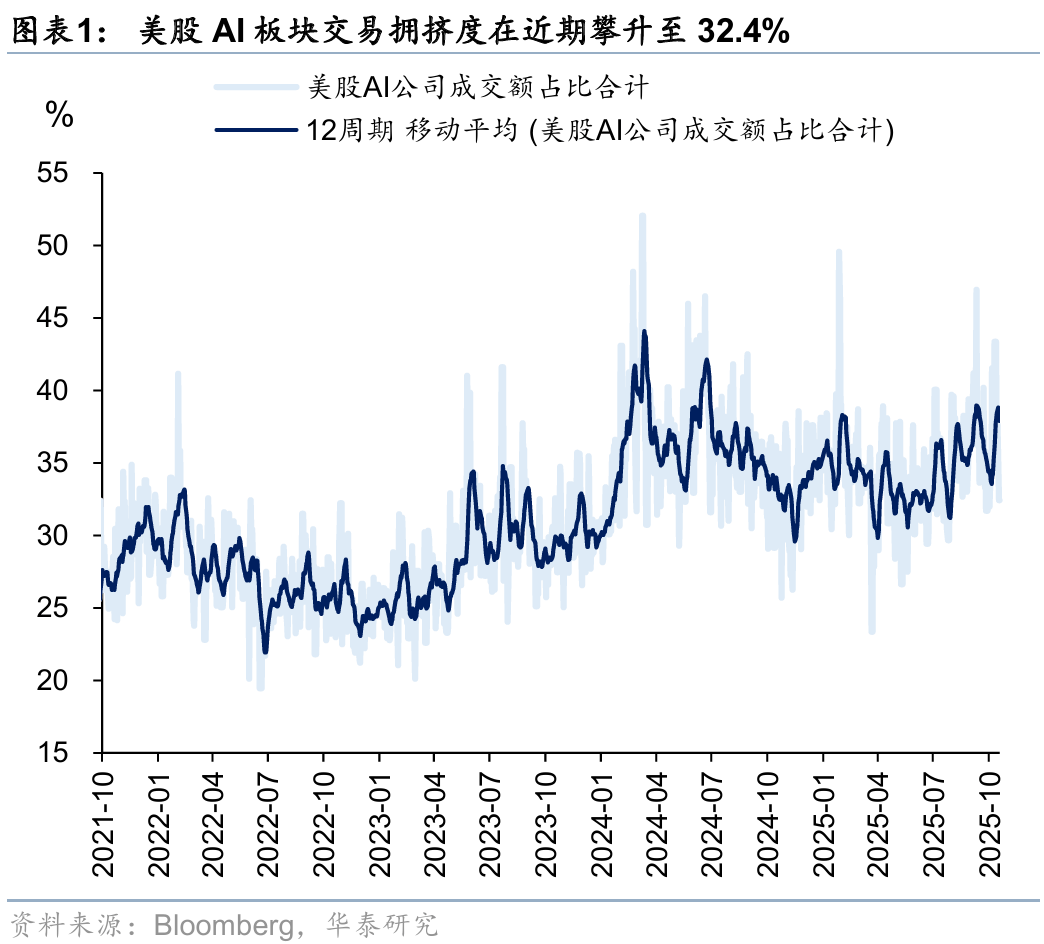
Group 1 - The core issue is the ongoing risk exposure in the U.S. private credit and regional banking sectors, highlighted by the bankruptcies of Tricolor Holdings and First Brands Group, and fraud allegations against Zions Bancorp and Western Alliance Bancorp [1][2][3] - Tricolor Holdings filed for bankruptcy on September 10, and First Brands Group declared bankruptcy on September 29, with liabilities exceeding $10 billion, indicating a broad impact on investors [2] - Zions Bancorp and Western Alliance Bancorp reported losses of $60 million and nearly $100 million, respectively, due to fraud related to bad commercial mortgage investments, leading to significant stock price declines [2][3] Group 2 - The U.S. government entered a partial shutdown on October 1, marking the first such occurrence in nearly seven years, which may affect the release of key economic data [3] - Trade tensions have resurfaced, and discussions around an AI bubble have intensified, with Google search interest in "AI bubble" reaching its highest level since 2004 [3] - The VIX index surged to 25.3, the highest level in nearly four months, reflecting increased market sensitivity to risk [3][4] Group 3 - U.S. dollar liquidity has tightened due to increased government debt issuance and seasonal effects, with the TGA account rising from $300 billion in July to $850 billion currently [4][5] - The Federal Reserve's reserve balances have decreased by 5.11% since September, indicating a significant drop in liquidity, although it has not yet reached a crisis level [5][6] - Credit market spreads have widened slightly but remain at historically low levels, suggesting that credit market pressures have not fully permeated the monetary market [6][7] Group 4 - The private credit market is opaque, making it difficult to assess internal connections, and the delinquency rate for new loans remains high, particularly for student loans, which increased by 4.84 percentage points to 13.03% [7][8] - The Federal Reserve's timely intervention signals its commitment to preventing liquidity risks from spreading, with indications that it may halt balance sheet reductions in response to current liquidity pressures [7][8] Group 5 - Short-term volatility in the U.S. stock market is expected to remain elevated, with margin debt reaching $1.1 trillion, the highest level since 2022, increasing market fragility [8][9] - In the medium to long term, a K-shaped economic recovery may lead to continued liquidity easing, potentially driving up global asset prices [9][10]