信达雅翻译

Search documents
“挥手自兹去”,李白《送友人》信达雅互鉴和文化出海价值参照
Xin Lang Cai Jing· 2026-02-23 03:10
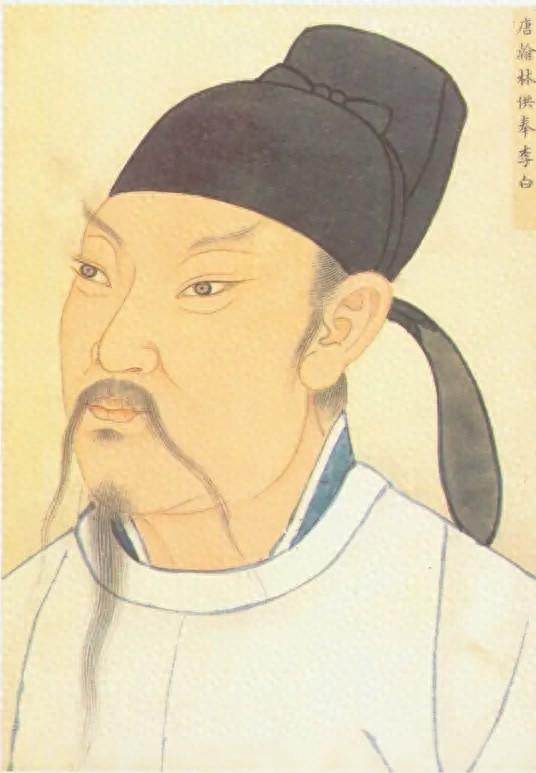
Core Viewpoint - The article discusses the significance of Li Bai's poem "Seeing Off a Friend" as a representation of Chinese classical poetry, emphasizing its cultural depth and aesthetic beauty, while also analyzing various English translations of the poem by different translators [1][7]. Group 1: Poem Analysis - "Seeing Off a Friend" is highlighted as a classic farewell poem that beautifully combines the grandeur of nature with the emotional weight of parting, serving as an excellent example of Chinese aesthetics and humanistic spirit [1]. - The poem's historical context is debated, with various claims regarding its creation during different years of the Tang Dynasty, showcasing its enduring relevance [1]. Group 2: Translation Comparisons - Burton Watson's translation is praised for its clarity and poetic flow, effectively capturing the core imagery of the original poem while adapting it for Western readers [4][5]. - Yang Xianyi and Gladys Yang's translation is noted for its fidelity to the original text, maintaining the emotional tone and narrative structure without subjective additions [10][11]. - Xu Yuanchong's translation is recognized for its strict adherence to rhyme and rhythm, achieving a balance between the original's essence and Western poetic forms [15][17]. Group 3: Strengths and Weaknesses of Translations - Watson's translation effectively reduces cultural barriers but has been critiqued for emotional inaccuracies and loss of layered imagery [6][12]. - Yang's translation is commended for its emotional accuracy and preservation of imagery but criticized for potential cultural misunderstandings due to direct translations [12][13]. - Xu's translation excels in musicality and imagery but faces minor critiques regarding some word choices that may sacrifice the original's dynamic quality [19][20].

“秦时明月汉时关”信达雅翻译与中华文化国际传播
Xin Lang Cai Jing· 2026-02-21 02:48
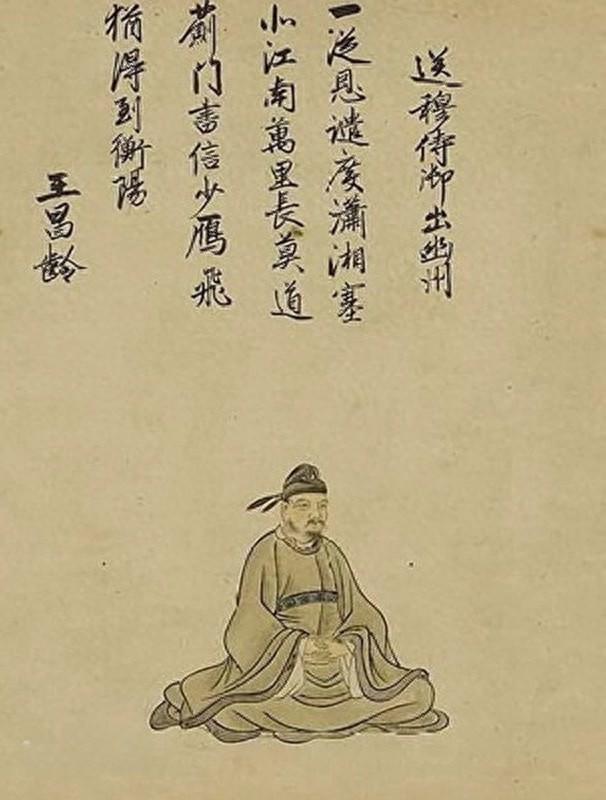
Core Viewpoint - The article discusses the translation of the classical Chinese poem "On the Frontier" by Wang Changling, highlighting the importance of cultural nuances and the challenges faced in conveying the original poem's essence in English translations [2][3][6][10][12]. Translation Analysis Dai Qingyi's Translation - The translation captures the essence of the original poem with concise imagery, effectively using the phrase "The Moon of Qin shines on the Pass of Han" to maintain the temporal connection [3]. - Cultural terms are handled well, with "Dragon Town" and "General Flying" preserving the original meaning while avoiding excessive explanation [3]. - The attempt at rhyme enhances the poetic quality, making the translation more engaging [3]. Burton Watson's Translation - Watson's version maintains high fidelity to cultural imagery, using "The moon still shines on the passes as it shone in Qin and Han times" to convey the poem's historical depth [6]. - The translation effectively balances readability and cultural depth, with "barbarian steed" retaining the original's ethnic connotation [7]. - Although the rhythm is natural, some phrases may feel lengthy compared to the original's brevity [8]. Xu Yuanchong's Translation - Xu's translation is noted for its strict adherence to rhyme and rhythm, employing an AABB rhyme scheme that enhances the musicality of the poem [10]. - The use of "as of yore" simplifies the historical context but conveys a sense of time passing, making it more accessible to English readers [11]. - However, the omission of specific cultural references like "Qin" and "Han" diminishes the historical depth of the original poem [12]. Wang Yongli's Translation - Wang's translation aims to preserve the original poem's grandeur and melancholy, achieving a consistent AABB rhyme scheme [15]. - The translation emphasizes the core themes of national pride and historical significance, although it acknowledges the potential shortcomings in capturing all cultural nuances [15][16]. Conclusion - The article emphasizes the importance of achieving a balance between fidelity to the original text and accessibility for modern readers in translating classical Chinese poetry [16].