健康男子气概

Search documents
资本为啥要改造男子气概啊?
虎嗅APP· 2025-10-20 14:12
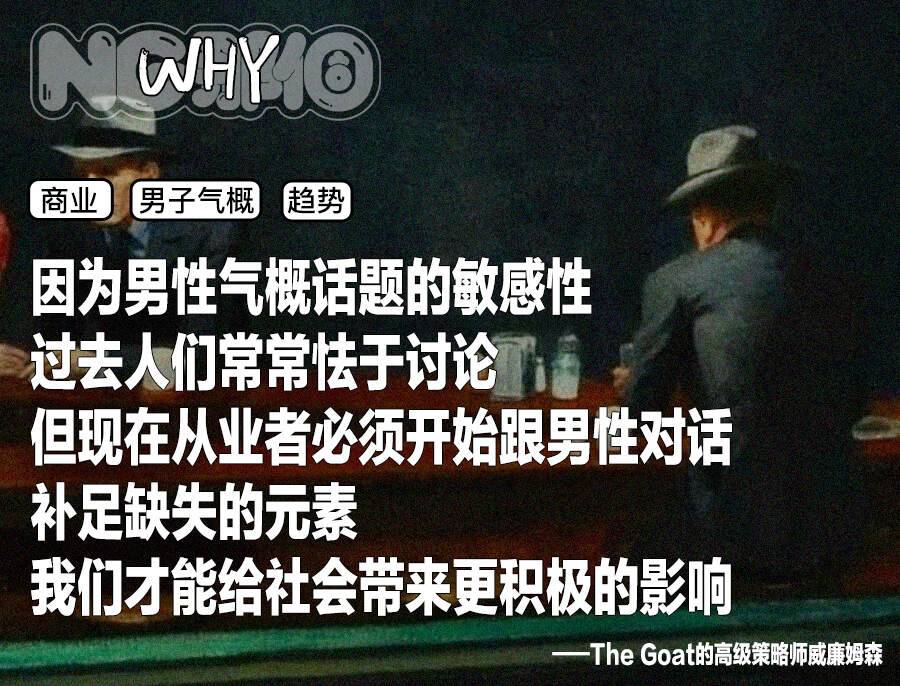
Core Viewpoint - The article discusses the evolving landscape of masculinity in the context of social media and its implications for brands targeting young male audiences, highlighting the need for a shift towards healthier representations of masculinity [4][5]. Group 1: Male Internet and Opportunities - Increasingly, consulting firms are advising brands to focus on the "male internet" as a promising area for growth [6][7]. - A report by The Goat and YouGov indicates that 70% of young male respondents desire more male role models on social media, with 67% feeling that positive male figures are overlooked by media and brands [11]. Group 2: Characteristics of Male Role Models - Respondents identified key traits for male role models as kindness, openness about mental health, and humor, while wealth and follower count were deemed less important [11][12]. - The report shows that 52% of respondents believe toxic masculinity on social media contributes to societal issues, including violence and body image anxiety among young males [13]. Group 3: Impact of Toxic Masculinity - The article cites alarming statistics regarding youth violence in the UK, linking toxic masculinity to increased knife crime and youth homicides [13][14]. - Research indicates a significant correlation between toxic masculinity and mental health issues, with social media exacerbating feelings of anxiety and depression among young men [15][16]. Group 4: Brand Strategies and Initiatives - Brands are encouraged to engage with young men through relatable and sensitive marketing strategies, utilizing diverse influencers to resonate with their experiences [17][19]. - AXE's recent campaign, which promotes confidence over traditional masculinity, exemplifies a successful approach to addressing young men's concerns [20][22]. Group 5: Mental Health Awareness - There is a growing emphasis on addressing mental health issues among men, with initiatives encouraging open discussions about psychological struggles [22][23]. - Organizations are advocating for a healthier masculinity that emphasizes kindness and respect, aiming to create safe spaces for men to express their emotions [23][25]. Group 6: Market Trends and Consumer Behavior - Data shows a rising interest among men in skincare, alternative fashion, and investment, indicating a shift in priorities and interests [27][28]. - The growth of the male skincare market in China is projected to reach 20.7 billion yuan by 2026, reflecting changing consumer behaviors [27]. Group 7: Cultural and Societal Implications - The article highlights the importance of shaping positive male role models, as social media influencers are becoming key sources of guidance for young boys [29]. - A decline in support for extreme masculine figures, such as Andrew Tate, suggests a societal shift towards valuing emotional health and positive masculinity [31][33].


资本为啥要改造男子气概啊?
Hu Xiu· 2025-10-20 09:34
Core Insights - The article discusses the growing focus on the "male internet" as a potential opportunity for brands amidst the ongoing crises related to gender issues [1] - It highlights the feelings of disillusionment among young male internet users and the need for brands to address their specific concerns [4][11] Group 1: Male Internet User Sentiment - A report indicates that 70% of young male respondents desire more male role models on social media, while 67% feel that positive male figures are overlooked by media and brands [4] - Key traits desired in male role models include kindness, openness about mental health, and humor, with less emphasis on wealth and follower count [4] Group 2: Societal Issues and Masculinity - 52% of respondents believe that toxic masculinity on social media exacerbates societal problems, leading to issues like youth violence and body image anxiety [6] - The article cites alarming statistics on youth knife crime in the UK, linking toxic masculinity to increased violence among young males [6][9] Group 3: Brand Engagement Strategies - Brands are encouraged to engage with young males through diverse KOLs and honest communication to address their emotional struggles [11][12] - AXE's recent campaign, which promotes confidence over traditional masculinity, is highlighted as a successful example of this approach [13][14] Group 4: Mental Health Awareness - There is a growing emphasis on addressing mental health issues among men, with initiatives encouraging open discussions about emotional struggles [17][14] - The article notes that a significant percentage of male suicides are linked to societal expectations of masculinity, underscoring the need for supportive environments [14][17] Group 5: Market Trends and Opportunities - Data shows a rising interest among men in skincare, alternative fashion, and stock investment, indicating a shift in male consumer behavior [19] - The male skincare market in China is projected to grow significantly, reflecting changing attitudes towards masculinity and self-care [19] Group 6: Cultural Shifts and Future Implications - The article emphasizes the importance of shaping healthy male role models for the future, as social media influencers become key sources of guidance for young males [20] - A decline in support for radical masculinity figures suggests a societal shift towards valuing emotional health and positive male representation [22]