偷拍产业链

Search documents
“中国版N号房”,只是冰山一角
Hu Xiu· 2025-07-31 13:58
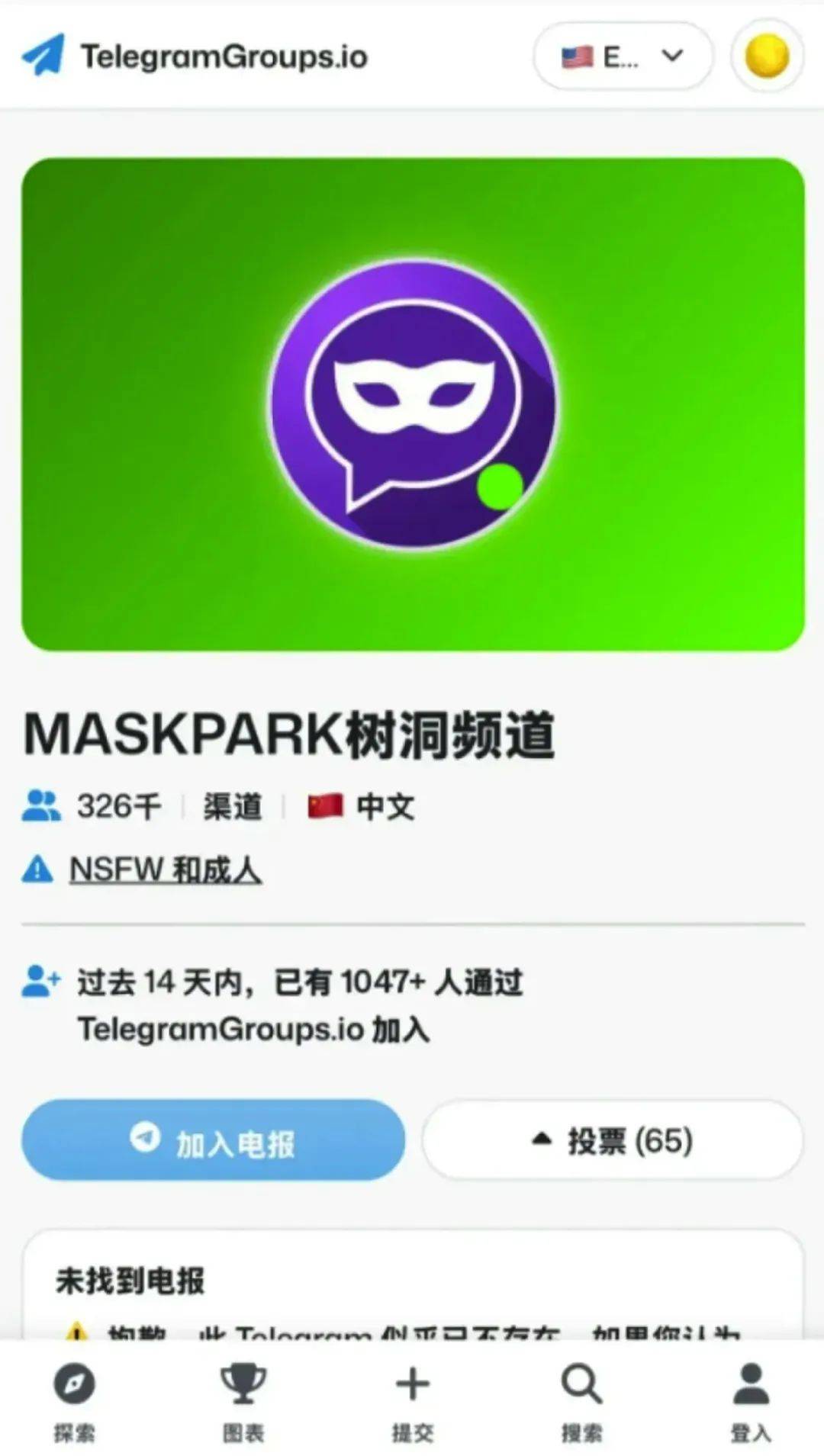
Core Points - The article discusses the alarming rise of hidden camera incidents, particularly focusing on the MaskPark incident, where intimate images of women were secretly recorded and shared in a large encrypted Telegram group [3][4][9] - It highlights the complete chain of the hidden camera industry, from the act of filming to the distribution and monetization of the content [5][39] - The article draws parallels between the MaskPark incident and the notorious "N Room" case in South Korea, indicating that the scale of victimization may be even worse in this instance [9][10] Group 1: Hidden Camera Incidents - The MaskPark incident involves numerous women unknowingly filmed by trusted individuals, with their images shared in a large encrypted group [3][4] - The group has over 100,000 users who upload a vast amount of hidden camera footage from various locations, including public spaces and private residences [4] - The article describes the ease with which hidden camera devices can be purchased and used, highlighting the sophistication of the technology available for such acts [31][36] Group 2: The Hidden Camera Industry - The hidden camera industry operates as a well-organized network, with distinct roles for individuals involved in filming, editing, and distributing the content [39][40] - "Seeders," or intermediaries, play a crucial role in the industry by collecting and distributing the footage to adult websites, which monetize the content [43][48] - Adult websites in China primarily rely on free content to attract users, then offer premium content to generate revenue, creating a demand for hidden camera footage [46][50] Group 3: Cultural Context and Legal Responses - The article notes that hidden camera incidents are not unique to China but are a widespread issue across East Asia, with countries like South Korea and Japan facing similar challenges [59][60] - In South Korea, the number of hidden camera crimes has been on the rise, with significant public outcry leading to legislative changes aimed at combating the issue [68][77] - Despite legal measures, the enforcement remains weak, and many perpetrators escape punishment, highlighting the societal tolerance towards such behavior [81][84]

「中国版N号房」,只是冰山一角
36氪· 2025-07-31 00:26
Core Viewpoint - The article discusses the alarming rise of hidden camera incidents and the associated underground industry in China, drawing parallels to the notorious "N Room" case in South Korea, highlighting the pervasive nature of this issue and the societal implications surrounding it [5][8][75]. Group 1: Overview of the Issue - The MaskPark incident exemplifies a disturbing trend where intimate videos and images of women are secretly recorded by trusted individuals and shared on encrypted platforms, affecting over 100,000 users [5][6]. - The article describes the complete black market chain from the act of filming to the distribution and monetization of these videos, indicating a well-organized operation [52][56]. Group 2: Methods and Tools Used - Various sophisticated tools and methods are employed by perpetrators to conduct hidden camera activities, including specially designed shoes and everyday items like shopping bags and pens that conceal cameras [27][41][50]. - The availability of these devices online, with prices ranging from 100 to 500 yuan, facilitates the ease of access for potential offenders [47][50]. Group 3: The Underground Market - The article outlines a structured underground market where videos are edited and sold to "wholesalers" known as "种爷," who distribute them to adult websites, thus creating a profitable cycle [56][64]. - Adult websites in China primarily profit by attracting users with free content and then converting them into paying customers through exclusive offerings [62][72]. Group 4: Societal Impact and Legal Response - The article emphasizes that the issue of hidden cameras is not confined to China but is a widespread problem across East Asia, with countries like South Korea experiencing even more severe incidents [76][78]. - Despite existing laws in countries like Japan and South Korea aimed at combating this issue, enforcement remains weak, and many offenders escape punishment due to insufficient evidence [101][106].