
儿科服务能力提升

Search documents
卫健委:设妇产科的医院普遍开设早孕关爱门诊,保护生育力
第一财经· 2026-02-10 09:15
Core Viewpoint - The National Health Commission of China is enhancing fertility services and support systems to encourage childbirth, addressing challenges in parenting, and reducing the financial burden associated with raising children [3]. Group 1: Childcare and Pediatric Services - In 2025, the inclusion of pediatric services in public hospitals and the increase of affordable childcare slots to 4.5 per 1,000 children under three years old were part of the health system's initiatives [5]. - By the end of last year, all 4,845 secondary and tertiary public hospitals were providing pediatric services, with the number of childcare slots reaching 4.73 per 1,000 people and 890,000 new affordable slots created [6]. - This year, the focus will shift to enhancing pediatric service capabilities at the grassroots level, with plans to add 1,000 township health centers and community service centers to provide common pediatric care [7]. Group 2: Early Pregnancy Care - The initiative includes the establishment of 10,000 medical institutions offering early pregnancy care services, aimed at reducing unintended pregnancies and abortion rates [11]. - Early pregnancy care services will cater to various groups, including those with normal pregnancies, pathological pregnancies, and those considering termination, providing comprehensive support and guidance [12]. - Cities like Guangzhou and Henan are already implementing early pregnancy care actions, with plans to expand these services nationwide by the end of November [13].

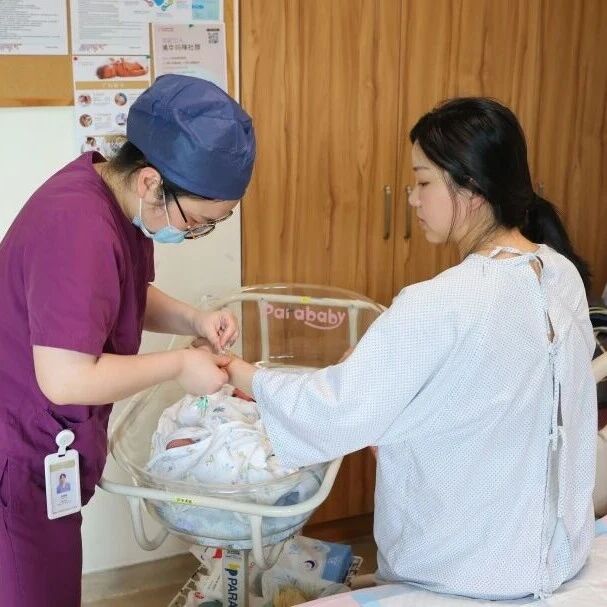
“儿科服务年”让孩子看病不再难
Ke Ji Ri Bao· 2025-07-21 01:07
Core Insights - The National Health Commission of China is launching a "Pediatric Service Year" from 2025 to 2027 to enhance pediatric service supply and capabilities in response to the shortage of pediatricians and hospital beds [1] Group 1: Pediatric Service Supply - As of June 2023, 1,877 tertiary and 2,936 secondary public general hospitals are providing pediatric services [1] - Over 80% of grassroots medical institutions are offering pediatric services, with 98% of county hospitals providing such services [1] Group 2: Enhancing Pediatric Service Capabilities - Three National Children's Medical Centers are assisting medical institutions in improving service capabilities, developing new technologies, and training high-level pediatric medical talent [2] - The Guangzhou Women and Children's Medical Center has established the first integrated maternal and child health care center in the country and has guided the construction of 12 similar centers in other regions [2] Group 3: Collaborative Medical Networks - A collaborative network for pediatric major diseases has been established, focusing on serious conditions such as critical illnesses, tumors, and rare diseases [3] - The Guangzhou Women and Children's Medical Center has a multidisciplinary team centered around a heart disease center, treating over 2,000 patients with congenital heart disease annually, with over 60% being newborns [3] - The "Guangdong-Hong Kong-Macao Pediatric Medical Rescue and Transport Alliance" has been formed to facilitate cross-regional referrals and emergency transport for critically ill children [3]
国家卫生健康委:持续提升儿科服务能力 增强儿科服务的连续性和便利性
Yang Shi Wang· 2025-07-18 10:33
Core Viewpoint - The National Health Commission of China is enhancing pediatric services through a series of initiatives aimed at improving the quality and accessibility of children's healthcare across the country [1][2]. Group 1: Pediatric Service System Development - The establishment of a high-quality pediatric medical service system is underway, with the implementation of national children's medical centers and regional medical centers to improve service capabilities and develop new technologies [1] - Nearly 8,000 general hospitals and 98% of county hospitals are now able to provide pediatric services, with over 80% of grassroots medical institutions also offering such services [1] Group 2: Collaborative Medical Networks - The creation of tightly-knit urban medical groups and county medical communities is being utilized to provide systematic and continuous pediatric medical services [2] - Over 300 children's hospitals and general hospitals with pediatric departments have formed pediatric medical service alliances to enhance service capabilities and standardization [2] Group 3: Major Disease Treatment Networks - A collaborative network for the diagnosis and treatment of major pediatric diseases is being established, focusing on serious conditions such as severe illnesses, tumors, blood system diseases, infections, and rare diseases [2] - This network aims to improve the identification, diagnosis, and treatment levels for major pediatric diseases, ensuring timely care within specific regions [2]