
儿科医疗服务

Search documents
贵州中医药大学大学城医院 产科儿科开科
Xin Lang Cai Jing· 2026-02-09 20:19
Core Insights - Guizhou University of Traditional Chinese Medicine University Town Hospital has officially opened obstetrics and pediatrics departments to address the growing healthcare needs of the local population, particularly among pregnant women and children [1][2] Group 1: Obstetrics Department - The obstetrics outpatient clinic is established with a core diagnostic and treatment team from the First Affiliated Hospital of Guizhou University of Traditional Chinese Medicine, focusing on high-risk pregnancies and pregnancy-related complications [2] - The clinic aims to provide personalized treatment plans and closely monitor maternal and child health, with a green channel for urgent referrals to the First Affiliated Hospital for further treatment [2] - Future plans include proactive health promotion activities in local universities, focusing on reproductive health and disease prevention by 2026 [2] Group 2: Pediatrics Department - The pediatrics department is supported by the First Affiliated Hospital and aims to provide comprehensive healthcare for children, addressing common and prevalent diseases [3] - The department's diagnostic range includes respiratory, digestive, and urinary system diseases, as well as growth and developmental assessments [3] - Future initiatives will explore the integration of traditional Chinese medicine in pediatric care, focusing on less invasive treatments and addressing behavioral issues through a combined approach [3]
济阳区人民医院九大专科登榜济南市临床专科建设“攀峰登山越岭”工程
Xin Lang Cai Jing· 2026-01-30 11:27
Core Viewpoint - The "Climbing the Peak and Crossing the Ridge" project in Jinan aims to enhance clinical specialty construction in public hospitals, with a focus on improving regional medical service capabilities and levels through the selection of key specialties [7]. Group 1: Selected Specialties - The Jiyang District People's Hospital has two specialties, Pediatrics and Orthopedics, included in the "Climbing the Peak" initiative, while seven other specialties, including Emergency Medicine and Critical Care, are part of the "Crossing the Ridge" plan [7]. - A total of 110 key specialties were selected across three categories: "Climbing the Peak," "Climbing the Mountain," and "Crossing the Ridge," supported by various levels of government funding [7]. Group 2: Pediatric Specialty - The Pediatric department at Jiyang District People's Hospital is recognized as a key clinical specialty at both the provincial and municipal levels, offering comprehensive services including neonatal care and pediatric emergency services [8][9]. - The department has established a full-service system for critical care and has successfully treated numerous cases of severe pneumonia and premature infants [9]. Group 3: Orthopedic Specialty - The Orthopedic department focuses on joint, spine, and limb microsurgery, recognized as a key clinical specialty in Jinan since 2022, and is equipped to perform advanced procedures such as joint replacements and minimally invasive spine treatments [10]. - The department aims to provide personalized treatment plans for common and complex orthopedic conditions, enhancing patient recovery times [10]. Group 4: Other Specialties in the "Crossing the Ridge" Plan - The Emergency Medicine and Critical Care departments work together to provide a closed-loop system for critical care, equipped with advanced emergency equipment and trained personnel [11]. - The Cardiovascular department specializes in coronary heart disease and hypertension, being the only center in the region capable of performing emergency PCI treatments [12]. - The Geriatric and Rehabilitation departments focus on chronic disease management and rehabilitation services tailored to the aging population, achieving recognition in various skill competitions [12]. - The Oncology department is recognized as a cancer center and leads in advanced treatment techniques, while the Infectious Diseases department has established a specialized clinic for tuberculosis screening and prevention [13]. Group 5: Future Directions - The Jiyang District People's Hospital aims to leverage its recent recognitions to enhance patient-centered care and specialty development, focusing on improving diagnostic and treatment capabilities for complex cases [13].

大东方(600327.SH):2025年预亏1.75亿元至2.35亿元
Ge Long Hui A P P· 2026-01-29 09:20
Core Viewpoint - The company, Da Dongfang (600327.SH), is expected to report a significant net loss for the fiscal year 2025, with projections indicating a loss between 235 million to 175 million yuan, compared to the previous year [1] Financial Performance - The anticipated net profit attributable to the parent company for 2025 is projected to be between -235 million yuan and -175 million yuan, indicating a loss compared to the previous year [1] - The expected net profit after deducting non-recurring gains and losses is forecasted to be between -215 million yuan and -155 million yuan [1] Business Segments - The department store business is focusing on enhancing招商力度 (recruitment efforts), strengthening advantageous categories, optimizing consumer scenarios, upgrading customer experience, and enhancing holiday marketing and membership management [1] - Despite efforts in the department store segment, revenue and gross profit have slightly declined due to a downturn in consumer spending and the impact of traditional supermarket channels [1] - The pediatric medical business is concentrating on developing existing business while actively expanding into new disciplines and products, improving the quality of medical services [1] - Although revenue in the pediatric medical segment has decreased, gross profit has increased, leading to a year-on-year profit growth, indicating stable operations in the main business [1]

“补贴+服务”实打实减负利好宝爸宝妈 关注、尊重、支持生育社会氛围正在形成
Yang Shi Wang· 2026-01-18 07:13
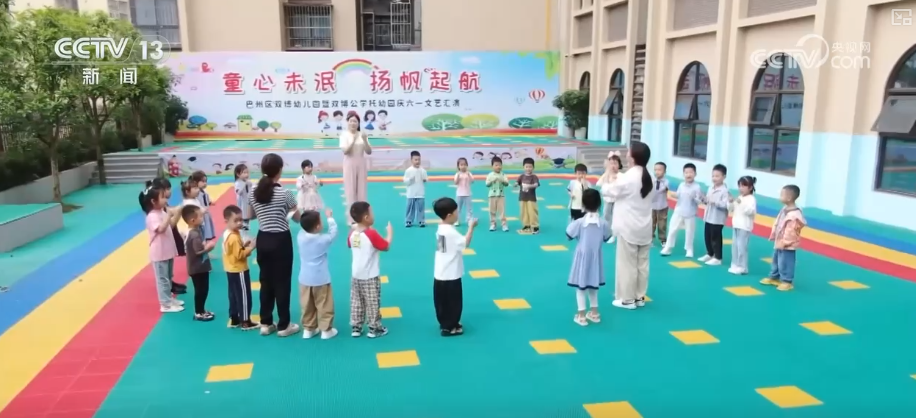
Core Viewpoint - The Chinese government is implementing a series of supportive policies aimed at creating a family-friendly society, focusing on economic support, service provision, and time guarantees for parents [3][5]. Economic Support - The government has introduced a personal income tax deduction policy for childcare and education for children under three years old, increasing the deduction standard from 1,000 yuan to 2,000 yuan per child per month [9]. - Starting in 2025, a childcare subsidy system will be established, providing 3,600 yuan per year for eligible children under three [9]. - As of now, over 80% of the 2025 childcare subsidies have been distributed, with applications for the 2026 subsidies opening on January 5 [11]. - Various local measures have been introduced, including housing subsidies for families with multiple children and increased housing fund loan limits [11]. - The national maternity insurance coverage has reached 255 million people, with nearly 95% of areas directly distributing maternity benefits to insured individuals [11]. Service Provision - Childcare services are being upgraded across the country, with various forms of childcare facilities such as integrated nursery schools and community-based childcare points [12]. - By 2025, the total number of childcare spots is expected to reach 6.66 million, with a ratio of 4.73 spots per 1,000 people [16]. - Since the 14th Five-Year Plan, nine provinces have introduced childcare service subsidy systems, and 1,315 counties have implemented support measures to reduce childcare costs, resulting in an average price drop of 29% for full-day childcare [16]. - Approximately 80,000 childcare service institutions have partnered with healthcare organizations to provide health monitoring and growth tracking for enrolled children [16]. Time Support - Many provinces have extended maternity leave to 158 days or more, with additional paternity leave of around 15 days and varying parental leave from 5 to 20 days [19]. - Certain regions, such as Jilin, Shanghai, and Jiangsu, are providing social insurance cost subsidies to employers of female employees who give birth, ensuring better implementation of maternity leave [19]. Pediatric Services - The government is expanding pediatric service availability and enhancing service capabilities, allowing children to access high-quality pediatric care locally [20]. - Currently, 4,845 secondary and tertiary public hospitals across the country offer pediatric services [20].
@宝爸宝妈 为生养减负 真金白银“大礼包”来了
Yang Shi Wang· 2026-01-18 03:16
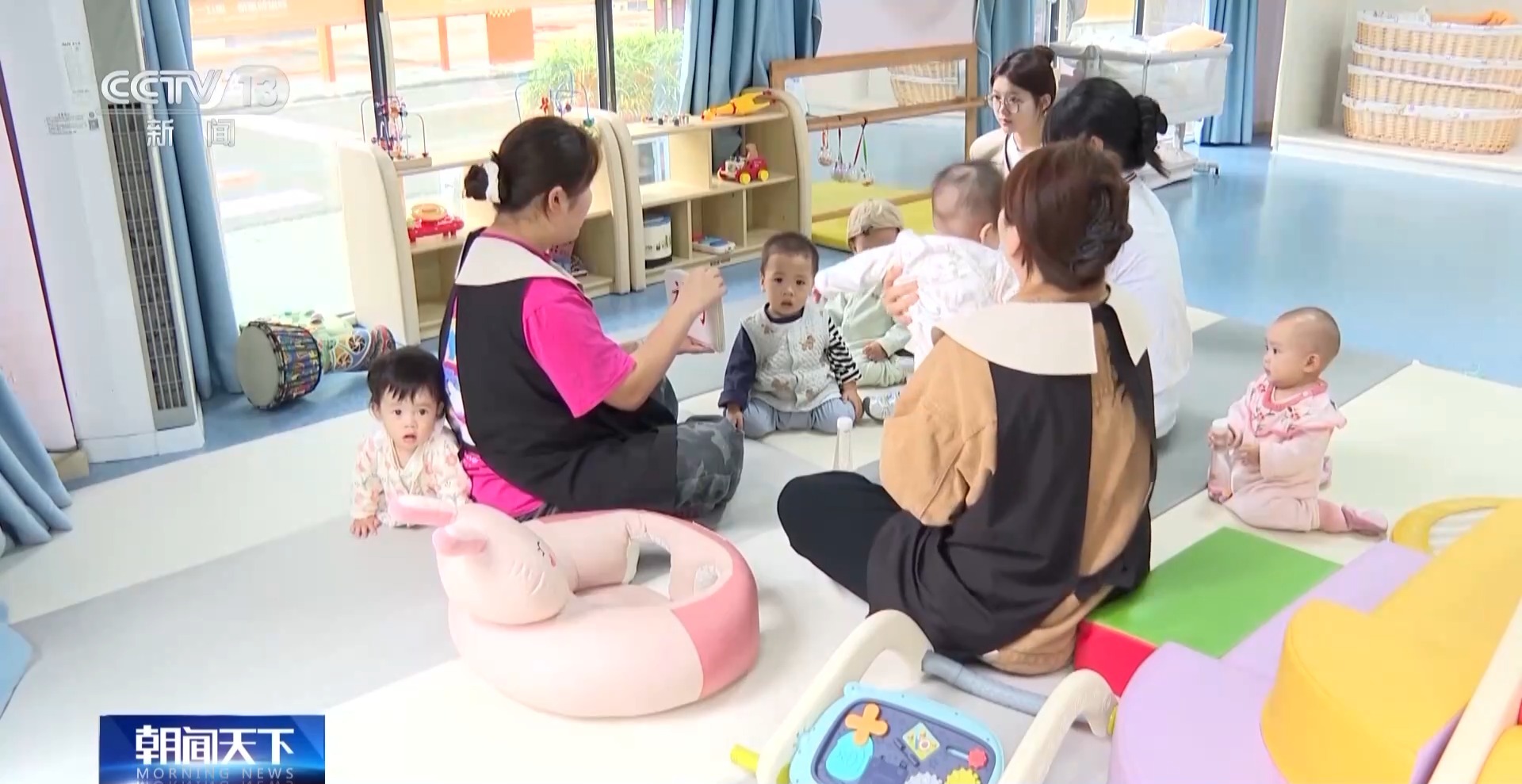
Economic Support - The government has implemented a personal income tax deduction policy for childcare and education for children under 3 years old, increasing the deduction standard from 1,000 yuan to 2,000 yuan per child per month [5] - Starting in 2025, a childcare subsidy system will be established, providing 3,600 yuan per year for eligible children under 3 years old, with over 80% of the 2025 subsidies already distributed [5] - National maternity insurance coverage has reached 255 million people, with nearly 95% of areas directly distributing maternity benefits to insured individuals [5] Childcare Services - There has been a significant upgrade in childcare services, with various forms of childcare facilities being established, including integrated nursery schools and community-based childcare points [8] - By 2025, the total number of childcare spots is expected to reach 6.66 million, with an average of 4.73 spots per 1,000 people [8] - The average price of full-day childcare has decreased by 29%, and 8,000 childcare institutions have partnered with healthcare providers to offer comprehensive health services for children [8] Pediatric Services - The government has expanded pediatric service availability, with 4,845 secondary and tertiary public hospitals now providing pediatric care [12] - Various regions have extended maternity leave to 158 days or more and established additional parental leave policies, enhancing support for families [12] - A supportive social atmosphere for childbirth is being fostered, with widespread participation from various sectors to promote a family-friendly society [12]
今年新增普惠托位近90万
第一财经· 2025-12-26 11:48
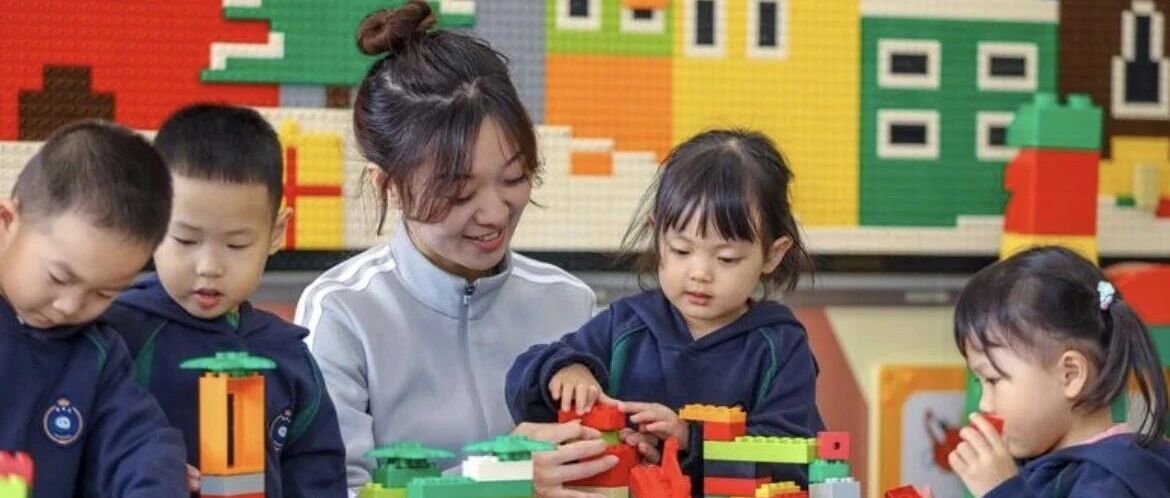
Core Viewpoint - The article discusses the significant progress made in the development of inclusive childcare services in China during the "14th Five-Year Plan" period, highlighting government support, legislative efforts, and improvements in service supply and affordability [3][5][9]. Group 1: Government Support and Policy Initiatives - The central government has allocated 3 billion yuan to support the development of inclusive childcare services across 30 cities, with 9 provinces implementing childcare subsidy systems [3][8]. - The average price of full-day childcare has decreased by nearly 30% nationwide, addressing the issues of "difficult and expensive childcare" [3][8]. - As of this year, the number of childcare slots per thousand population has reached 4.73, with a total of 666 million slots available, marking a 132% increase since the beginning of the "14th Five-Year Plan" [7][8]. Group 2: Legislative and Structural Developments - A draft law on childcare services has been submitted for review, representing a crucial step in alleviating family "child-rearing anxiety" [3][9]. - The National Health Commission is actively promoting childcare service legislation and developing supporting policies to reduce the financial burden on families [3][9]. - The establishment of a "1+N" childcare service system is planned, integrating various childcare service models to enhance accessibility and quality [9]. Group 3: Healthcare Integration and Child Health Services - Approximately 80,000 childcare service institutions have signed agreements with healthcare facilities, ensuring professional health guidance and monitoring for children [8][9]. - By the end of this year, all secondary and tertiary public hospitals are expected to provide pediatric services, with 4,845 hospitals already meeting this requirement [6][11]. - Efforts are being made to improve the distribution of pediatric resources and address the shortage of pediatric specialists through training and incentive policies [11][14].
今年新增普惠托位近90万,国家将积极推动托育服务立法
Di Yi Cai Jing· 2025-12-26 11:03
Core Viewpoint - The Chinese government has made significant progress in improving childcare services during the "14th Five-Year Plan" period, addressing issues of accessibility and affordability in childcare, with a focus on legislative support and enhanced healthcare services for children [1][4][5]. Group 1: Childcare Service Development - Since the beginning of the "14th Five-Year Plan," nine provinces have implemented subsidy systems for childcare services, with a central government financial support of 3 billion yuan aimed at developing inclusive childcare services [1][4]. - The average price of full-day childcare has decreased by nearly 30%, alleviating the issues of "difficult and expensive childcare" [1][4]. - The number of childcare service institutions has reached 126,000, with a total of 6.66 million childcare spots available, marking a 110% increase in institutions and a 132% increase in spots since the "14th Five-Year Plan" began [3][4]. Group 2: Legislative and Policy Support - A draft law on childcare services has been submitted for review, representing a significant step in addressing family "child-rearing anxiety" through legislative measures [1][5]. - The National Health Commission is actively promoting childcare service legislation and developing supporting policies to reduce the financial burden on families [1][5]. - The government has introduced various policies to lower operational costs for childcare institutions, including tax exemptions and subsidies for service providers [3][4]. Group 3: Healthcare Integration - Approximately 80,000 childcare institutions have signed agreements with healthcare facilities to provide professional health guidance and establish health records for children [5]. - All secondary and tertiary public hospitals in China now offer pediatric services, enhancing the overall healthcare support for children [3][6]. - The government is focusing on improving pediatric service supply and addressing the shortage of pediatricians through training and incentive programs [6][8]. Group 4: Future Directions - The "15th Five-Year Plan" suggests further optimization of fertility support policies and the integration of childcare services, aiming to strengthen health services for women and children [1][2][5]. - The National Health Commission plans to continue expanding inclusive childcare service supply and improve the quality of services through a comprehensive service network [5].
喜报!临沂市人民医院成功获批省级儿童专科区域医疗中心
Qi Lu Wan Bao· 2025-11-28 13:45
Core Viewpoint - Shandong Provincial Health Commission has approved Linyi People's Hospital as a "Provincial Children's Specialty Regional Medical Center" to enhance the distribution of quality medical resources and meet public healthcare needs [1] Group 1: Approval and Purpose - The establishment of the provincial children's specialty regional medical center aims to expand and balance the distribution of quality medical resources [1] - The approval process involved recommendations, formal reviews, data verification, and expert evaluations [1] Group 2: Future Plans and Responsibilities - The hospital will implement the Healthy China strategy, enhance support measures, and optimize the construction model, management system, and operational mechanisms of the regional medical center [1] - The hospital aims to align with top-tier pediatric facilities in the country and improve pediatric medical, teaching, and research capabilities [1] - A two-way referral mechanism will be established to promote the downward flow of quality medical resources to grassroots levels [1]
国家卫健委:今年底所有二三级公立综合医院都有儿科医疗服务
Nan Fang Du Shi Bao· 2025-09-11 05:07
Core Insights - The National Health Commission of China has increased efforts in pediatric and mental health services this year [1] Pediatric Services - The goal is for all tier-2 and tier-3 public general hospitals to provide pediatric medical services by the end of this year, with current progress at 99.5% for tier-3 hospitals and 98.4% for tier-2 hospitals [1] Mental Health Services - 99% of cities have at least one hospital offering psychological outpatient services, and 97% have at least one hospital providing sleep disorder services, aiding in alleviating residents' psychological anxiety and emotional issues [1] - The "12356" psychological assistance hotline has been promoted nationwide since the beginning of this year, achieving its goal of being available in every city by May 1, allowing residents to access psychological counseling and health services [1]
目标到今年底,我国所有二、三级公立医院都能提供儿科服务
Xin Jing Bao· 2025-09-11 04:50
Core Viewpoint - The National Health Commission aims for all secondary and tertiary public general hospitals in China to provide pediatric medical services by the end of this year [1] Group 1: Pediatric Medical Services - Currently, 99.5% of tertiary public general hospitals and 98.4% of secondary public general hospitals can provide pediatric medical services [1] - There are 3 National Children's Medical Centers and 6 National Children's Regional Medical Centers established in the country [1] Group 2: Pediatric Workforce and Facilities - As of the end of last year, the number of pediatric practitioners (including assistants) reached 243,900, a 49.3% increase from 163,400 in 2020 [1] - The number of pediatric beds per 1,000 children increased to 2.47, up 13.3% from 2.18 in 2020 [1] Group 3: Children's Health Initiatives - Aiming to address the issue of myopia in children, the country has initiated eye health and vision screening for children aged 0-6, with a coverage rate expected to reach 95.4% by 2024 [1] - There is a focus on creating smoke-free environments, including smoke-free schools, contributing to a decline in both myopia and smoking rates among adolescents [1]