
生育力保护

Search documents
“推动生育力保护政策全面落地”
第一财经· 2026-03-09 10:14
Core Viewpoint - The article emphasizes the need for comprehensive implementation of fertility protection policies in medical institutions across China, highlighting the current gaps in execution and the necessity for accountability at various levels [3][4]. Policy Implementation Gaps - The article discusses the disparity between policy requirements and their execution, noting that many grassroots medical institutions lack awareness and fail to integrate fertility protection into routine practices [5][6]. - It points out that the "informed consent" protocol regarding fertility risks before treatments is not widely adopted in key departments such as oncology and gynecology [6]. Medical and Social Demand for Fertility Preservation - The article identifies two main groups requiring fertility preservation: those with medical indications (e.g., cancer patients) and those with social needs due to delayed marriage and childbirth [6][7]. - It cites that the incidence of iatrogenic premature ovarian insufficiency is significant, with a prevalence rate of 3.7% globally, and can be as high as 82.2% among female cancer survivors under 24 years old [6]. Establishment of a National Fertility Protection Network - The article reports that 47 medical institutions have begun to establish a national fertility protection network, focusing on ovarian tissue cryopreservation [9]. - It highlights a shift in policy focus from mere advocacy to actionable implementation, with increasing public awareness and support for fertility protection [9]. Recommendations for Improvement - The article outlines six specific recommendations to enhance the implementation of fertility protection measures, including comprehensive coverage of medical institutions, strict adherence to informed consent protocols, and enhanced training for healthcare providers [10][11]. - It stresses the importance of integrating fertility protection metrics into performance evaluations of medical institutions to ensure effective policy execution [12].


全国人大代表阮祥燕:多数女性未被告知治疗会损害生育力
经济观察报· 2026-03-08 08:44
Core Viewpoint - The article emphasizes the importance of protecting and preserving female fertility, highlighting the need for comprehensive medical communication regarding fertility risks associated with treatments [2][3]. Group 1: Importance of Fertility Protection - The construction of a fertility-friendly society has become a national strategy, with a focus on fertility, nurturing, and education as key components [3]. - Over 80% of patients encountered by the expert have not received adequate medical information before treatments that could affect their fertility, leading to loss of reproductive capability [3][5]. Group 2: Observations and Changes - There has been an increase in women consulting about ovarian tissue freezing, indicating a growing awareness of health concerns beyond fertility, such as early menopause and associated chronic diseases [4]. - A survey conducted with 600 patients revealed that 80% did not receive comprehensive information regarding the impact of their treatments on fertility and overall health [5]. Group 3: Policy Changes and Recommendations - Significant policy changes have occurred, such as the National Health Commission's guidelines for fertility-friendly hospitals, emphasizing the need for proper patient communication before treatments that may harm fertility [6]. - Recommendations include ensuring comprehensive coverage of fertility protection communication across all medical institutions, strict adherence to informing patients about risks, and enhancing training for healthcare providers [8][9]. Group 4: Existing Issues in Medical Institutions - Major issues identified include low awareness and weak implementation of fertility protection policies in grassroots medical institutions, inadequate execution of pre-treatment communication, and lack of accessibility to fertility assessment services [7]. - The absence of fertility protection in medical institution evaluation metrics has resulted in policies remaining largely theoretical without practical application [7]. Group 5: Proposed Solutions - The expert suggests a multi-faceted approach to improve fertility protection, including establishing a comprehensive communication framework, enhancing grassroots medical education, and integrating fertility protection into performance evaluations of medical institutions [9]. - A closed-loop management system is recommended to ensure seamless patient access to fertility protection services [9].

卫健委:设妇产科的医院普遍开设早孕关爱门诊,保护生育力
第一财经· 2026-02-10 09:15
Core Viewpoint - The National Health Commission of China is enhancing fertility services and support systems to encourage childbirth, addressing challenges in parenting, and reducing the financial burden associated with raising children [3]. Group 1: Childcare and Pediatric Services - In 2025, the inclusion of pediatric services in public hospitals and the increase of affordable childcare slots to 4.5 per 1,000 children under three years old were part of the health system's initiatives [5]. - By the end of last year, all 4,845 secondary and tertiary public hospitals were providing pediatric services, with the number of childcare slots reaching 4.73 per 1,000 people and 890,000 new affordable slots created [6]. - This year, the focus will shift to enhancing pediatric service capabilities at the grassroots level, with plans to add 1,000 township health centers and community service centers to provide common pediatric care [7]. Group 2: Early Pregnancy Care - The initiative includes the establishment of 10,000 medical institutions offering early pregnancy care services, aimed at reducing unintended pregnancies and abortion rates [11]. - Early pregnancy care services will cater to various groups, including those with normal pregnancies, pathological pregnancies, and those considering termination, providing comprehensive support and guidance [12]. - Cities like Guangzhou and Henan are already implementing early pregnancy care actions, with plans to expand these services nationwide by the end of November [13].
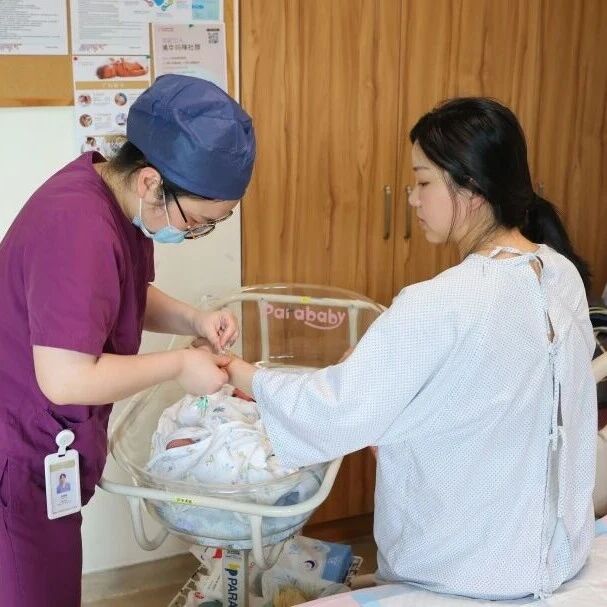
卫健委:设妇产科的医院普遍开设早孕关爱门诊 保护生育力
Di Yi Cai Jing· 2026-02-10 08:54
Group 1 - The core viewpoint of the article emphasizes the Chinese government's commitment to enhancing fertility services and support for families, aiming to stimulate childbirth willingness, address parenting challenges, and reduce the financial burden of raising children [1] - The National Health Commission (NHC) has announced an increase in the number of public service projects to ten this year, with a continued focus on maternal and child health as a key area for improving public health services [1] - This year, "fertility protection" has been included in the health system's public service projects, alongside the ongoing enhancement of pediatric and childcare services [1] Group 2 - By 2025, public hospitals will provide pediatric services as part of public service projects, with a target of increasing the number of childcare slots to 4.5 per 1,000 children under three years old, and an addition of 660,000 inclusive childcare slots nationwide [2] - As of the end of last year, 4,845 secondary and tertiary public hospitals were providing pediatric services, and the number of childcare slots reached 4.73 per 1,000 people, exceeding the previous year's targets [2][3] - This year, the focus will shift towards enhancing pediatric service capabilities at the grassroots level, with plans to add 1,000 community health centers and township hospitals to provide common pediatric diagnosis and treatment services [3] Group 3 - The notification outlines two main tasks: increasing the supply of pediatric services at the grassroots level and enhancing the diagnostic capabilities of pediatric services through training and resource allocation [3] - There is a need to optimize pediatric service supply, focusing on improving the capabilities of grassroots healthcare providers, as many are currently general practitioners [3][4] - The notification also highlights the importance of addressing potential issues such as personnel shortages and increased operational costs at county hospitals due to the training of pediatric staff [4] Group 4 - Similar to pediatric services, childcare services will also be expanded this year, with an additional 150,000 inclusive childcare slots planned [5] - The notification emphasizes the need for better management and quality standards in childcare services, addressing current issues such as mixed qualifications and varying service quality [5] - Local authorities are tasked with ensuring compliance with childcare service regulations and enhancing the overall quality of care provided [5] Group 5 - The focus on women's fertility protection includes the promotion of early pregnancy care clinics, which aim to reduce unintended pregnancies and the rate of abortions [6][7] - A total of 10,000 medical institutions will provide early pregnancy care services, targeting women within the first 14 weeks of pregnancy [8] - The early pregnancy care clinics will offer a range of services, including nutritional guidance, psychological support, and individualized treatment plans for various pregnancy conditions [8][9] Group 6 - The notification outlines plans for the early pregnancy care clinics to provide comprehensive support tailored to the different needs of early-pregnancy women, including referrals to specialists when necessary [9] - By the end of November, it is expected that all medical institutions with obstetrics departments will offer early pregnancy care services, with local health authorities responsible for overseeing the implementation [9] - To encourage healthcare professionals to participate in these services, the notification includes provisions for performance evaluation and compensation adjustments for those involved in early pregnancy care [9]
卫健委:设妇产科的医院普遍开设早孕关爱门诊,保护生育力
Di Yi Cai Jing· 2026-02-10 08:37
Core Viewpoint - The National Health Commission of China is enhancing maternal and child health services, focusing on increasing fertility support and improving early pregnancy care through the establishment of 10,000 early pregnancy care clinics nationwide in 2026 [1][6][7]. Group 1: Maternal and Child Health Services - The number of service projects aimed at improving maternal and child health has increased to 10 this year, with a focus on enhancing fertility support and optimizing pediatric and childcare services [1][2]. - The initiative includes the establishment of early pregnancy care clinics to provide comprehensive support for women in early pregnancy, addressing various needs such as nutritional guidance and psychological support [6][8]. Group 2: Pediatric Services - By 2025, public hospitals will be required to provide pediatric services, with a target of 4.5 childcare spots per 1,000 children under three years old, and an addition of 660,000 inclusive childcare spots [2][3]. - The focus will shift towards enhancing pediatric service capabilities at the grassroots level, including increasing the variety of pediatric medications and improving training for healthcare personnel [3][4]. Group 3: Childcare Services - This year, 150,000 new inclusive childcare spots will be added, with an emphasis on improving the quality of childcare services and ensuring regulatory compliance [5]. - Local authorities are tasked with managing childcare service institutions and enhancing the quality of care provided, addressing issues related to service standards and personnel qualifications [5]. Group 4: Early Pregnancy Care - The early pregnancy care clinics will cater to women within the first 14 weeks of pregnancy, providing tailored services based on their specific needs, including support for normal and pathological pregnancies [7][8]. - The initiative aims to reduce unintended pregnancies and improve reproductive health by offering comprehensive care and support during early pregnancy [6][8].
雅培进博会展台举办女性健康研讨会 聚焦生育力保护与更年期健康管理
Zheng Quan Ri Bao Wang· 2025-11-10 06:42
Group 1 - Abbott hosted a seminar on women's health management during the 8th China International Import Expo, focusing on fertility protection and menopause health management [1] - The National Health Commission emphasized the importance of improving reproductive health services to enhance birth quality and public happiness [1] - Experts recommend that women with fertility plans undergo scientific assessments and seek support when facing physiological challenges, with 60% of infertility patients able to conceive naturally through standardized treatment [1] Group 2 - The aging population in China is leading to increased attention on menopause health management, with over 280 million women expected to enter menopause by 2030 [2] - Decreased estrogen and progesterone levels during menopause can lead to various symptoms and increased risks of chronic diseases such as osteoporosis and cardiovascular issues [2] - Menopause management is crucial for women's long-term health, with lifestyle adjustments and medical interventions like hormone therapy available to alleviate symptoms and improve quality of life [2]

雅培进博展台举办女性健康研讨会,聚焦生育力保护与更年期管理
Bei Ke Cai Jing· 2025-11-08 09:48
Core Viewpoint - Abbott hosted a seminar focusing on women's health management throughout their life cycle, emphasizing fertility protection and menopause health management, advocating for the establishment of a fertility-friendly society [1][4]. Group 1: Fertility and Reproductive Health - The National Health Commission emphasizes the need for a fertility-friendly society and improved reproductive health services to enhance population quality and happiness [2]. - The infertility rate in China has risen to 17.6%, with hormonal balance being crucial for normal physiological functions [5]. - Experts recommend early fertility assessments for women planning to conceive, especially as the average age of first childbirth approaches 30 [5][7]. Group 2: Menopause Management - By 2030, over 280 million women in China are expected to enter menopause, necessitating effective health management strategies [11]. - Hormonal changes during menopause can lead to various health issues, including osteoporosis and cardiovascular diseases, highlighting the importance of menopause management [11]. - Early initiation of hormone replacement therapy (HRT) during menopause can provide protective benefits for cardiovascular and bone health [11][12]. Group 3: Collaborative Health Management - A comprehensive approach involving individuals, families, healthcare institutions, and society is essential for effective women's health management across all life stages [13]. - Establishing fertility-friendly hospitals and enhancing menopause outpatient services are recommended measures to safeguard women's health rights [13].
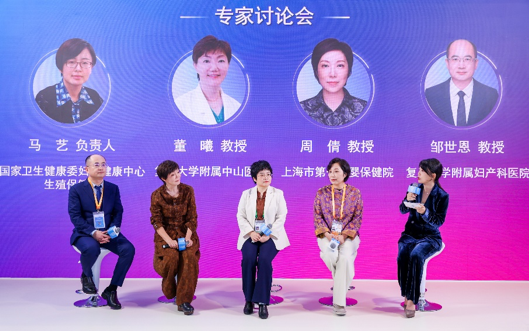
“SHE·宫益行动”项目在京启动
Ren Min Wang· 2025-07-15 05:52
Group 1 - The "SHE·宫益行动" project aims to promote endometrial health and its impact on female fertility, responding to the national strategy for building a fertility-friendly society [1][2][5] - The project will involve expert discussions and research to present the current status, issues, and trends of endometrial health among reproductive-age women in China, providing data support for policy-making and public health education [1][5][6] - The initiative will focus on early screening, diagnosis, and treatment of endometrial-related diseases, enhancing public awareness of endometrial health and contributing to a comprehensive health management system [2][5][6] Group 2 - The project is seen as a significant step in implementing national fertility-friendly policies, with a focus on protecting endometrial health as a foundation for improving fertility [5][6] - Experts emphasize the need for a systematic approach to managing endometrial health, including early identification of at-risk populations and standardizing treatment pathways [5][6] - Bayer, as a supporting organization, highlights its commitment to women's health and the importance of localizing strategies to meet the health needs of women at different life stages in China [7]

刘风华:政策技术社会三方协同保护生育力
Ren Min Wang· 2025-06-27 01:21
Core Viewpoint - The article discusses the importance of fertility preservation in the context of China's declining birth rate and aging population, emphasizing that maintaining an appropriate fertility level is essential for protecting reproductive capacity [1] Group 1: Policy Initiatives - Guangdong Province has established a three-dimensional collaborative model for fertility preservation, which includes policy coverage, technical implementation, and social cooperation [2] - The province has implemented insurance for assisted reproduction to reduce family childcare costs and expanded eligibility for fertility preservation to include patients at risk of ovarian function decline due to benign diseases [2] - The "Drug and Device Communication" project in the Guangdong-Hong Kong-Macao Greater Bay Area aims to trial new drugs, reagents, and devices [2] Group 2: Technical Advancements - The reproductive center at Guangdong Provincial Maternal and Child Health Hospital has mature fertility preservation technologies, with high rates of oocyte freezing and clinical pregnancy [2] - Ongoing evidence-based medical research is being conducted on stem cell therapy and the integration of traditional and Western medicine to improve fertility [2] Group 3: Social Engagement - Collaborative efforts with media to promote fertility preservation knowledge and enhance sex education for adolescents are underway to create a fertility-friendly environment [2] - A special fund has been established to provide childcare subsidies for low-income families, promoting workplace fertility optimization plans [2] Group 4: Ethical Considerations - Guangdong Province has strengthened the ethical review role of reproductive ethics committees, ensuring strict scrutiny of key aspects such as freezing indications and patient informed consent [3] - Patients are categorized and prioritized for fertility preservation based on medical necessity, with clear communication regarding success rates, costs, and health risks to offspring [3] Group 5: Misconceptions and Challenges - There are several misconceptions regarding fertility preservation, such as equating oocyte freezing with unlimited "fertility insurance" and underestimating the impact of age on oocyte quality [4] - The belief that fertility preservation is only applicable to cancer patients is outdated, as the indications have expanded to include those requiring long-term immunotherapy or with conditions leading to ovarian function decline [4] Group 6: Future Directions - The article calls for innovation in technology, policy support, and social consensus to achieve accessible reproductive autonomy and inclusive societal growth [5] - Recommendations include integrating fertility assessments into pre-marital checks, establishing a national fertility assessment management system, and improving oocyte freezing and recovery rates [5] - Encouragement for collaboration among hospitals, enterprises, communities, and families to build a comprehensive public education system to eliminate misconceptions about fertility preservation [5]