儿童乘车安全

Search documents
“后备箱里塞两娃”是团圆路上最危险的赌注
Xin Lang Cai Jing· 2026-02-10 21:07
Core Viewpoint - The article highlights the dangerous practice of parents allowing children to ride in the trunk of vehicles during the busy Spring Festival travel period, emphasizing the severe safety risks involved and the need for increased awareness and adherence to traffic regulations [1][2][3] Group 1: Safety Risks - The trunk of a vehicle lacks safety features such as seat belts and crash protection, making it extremely hazardous for children in the event of sudden stops or collisions, potentially leading to serious injuries or fatalities [2] - The enclosed nature of the trunk can also pose risks of heatstroke or hypothermia, and in case of an accident, it can hinder escape and rescue efforts [2] Group 2: Parental Responsibility - Parents often exhibit a dangerous mindset, prioritizing convenience over safety, which can lead to tragic outcomes for their children [2][3] - The article stresses that parents are the primary guardians of their children's safety and must reject the notion that overcrowding a vehicle is acceptable [3] Group 3: Alternative Solutions - The article suggests that families facing transportation challenges during peak travel times should consider alternative solutions such as splitting into multiple vehicles, sending luggage in advance, or traveling during off-peak times [3] - It also mentions that railway services provide assistance for families, indicating that there are compliant options available to ensure children's safety [3] Group 4: Societal Responsibility - There is a call for society to work together to promote awareness of child passenger safety and to improve transportation options during busy travel periods [3]
儿童安全座椅“配而不用”仍普遍,专家呼吁明确罚则
Xin Jing Bao· 2025-12-02 04:49
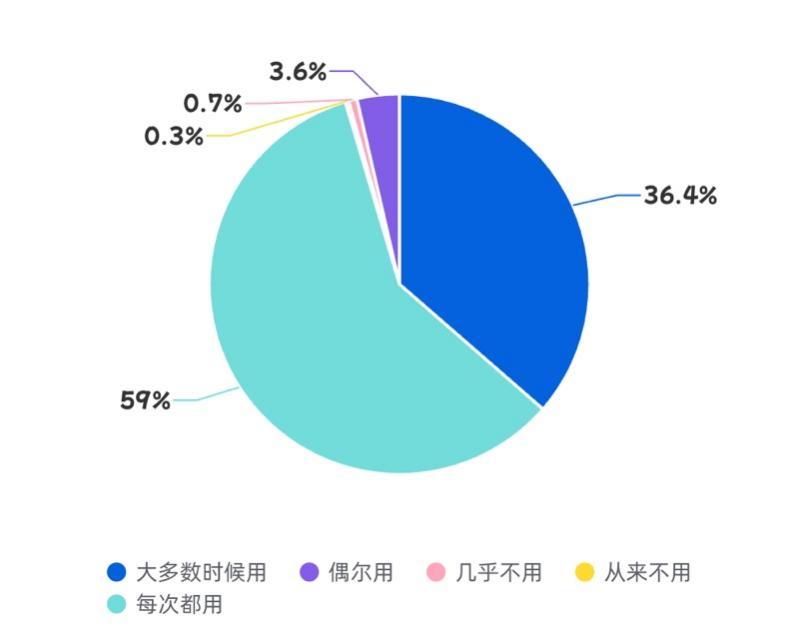
Core Viewpoint - The introduction of "child safety seats" into national legislation in China marks a significant step towards enhancing child safety in vehicles, but awareness and compliance remain low among the public [5][6]. Group 1: Public Awareness and Usage - Awareness of the legal provisions regarding child safety seats in the Minor Protection Law is only 25.3% among the public [5]. - Among families with children aged 0-10 who own cars, the ownership rate of child safety seats is 88.1%, but only 59% use them for every trip [2][3]. - A significant 96.8% of the public understands that child safety seats are necessary even for short trips, yet 71.3% of families skip using them due to perceived low risk on short journeys [2]. Group 2: Safety Risks and Misconceptions - Research indicates that correctly using child safety seats can reduce the risk of death in traffic accidents by approximately 60% [2]. - Many parents underestimate the risks associated with short-distance travel, leading to a "just this once" mentality that hinders safety practices [2][3]. - The force experienced by a child in a collision can be significantly higher than what the human body can withstand, emphasizing the need for proper safety measures [3]. Group 3: Economic Barriers and Public Support - The high cost of child safety seats, often ranging from 1,000 to 3,000 yuan, is a major barrier for families, especially those with multiple children [4]. - 72.6% of respondents support the idea of subsidies or trade-in programs to make child safety seats more affordable [4]. - The main reasons for not purchasing child safety seats include installation difficulties (63%), space concerns (49.4%), and high prices (44.8%) [4]. Group 4: Legislative Recommendations - The current Minor Protection Law lacks specific age/height requirements and enforcement mechanisms for child safety seat usage [5][6]. - Experts suggest that the Road Traffic Safety Law should explicitly mandate the installation and use of child safety seats, along with penalties for non-compliance [6]. - A significant 92.1% of respondents support making the use of child safety seats mandatory in the revised Road Traffic Safety Law, with many accepting fines for non-compliance [6].
全国交通安全日:健全法规固根本,守护儿童安全行
Yang Shi Wang· 2025-12-02 01:26
Core Viewpoint - Road traffic injuries are the leading cause of death for children and adolescents aged 5 to 29, and the correct use of child safety seats can reduce fatalities by at least 60% [1] Legislative Framework - The use of child safety seats is mandated in the revised "Minor Protection Law of the People's Republic of China" effective from June 1, 2021 [1] - Various provinces and cities have enacted local regulations to ensure child passenger safety, such as the Shenzhen Economic Special Zone Traffic Safety Violation Penalty Regulation, which imposes a fine of 300 yuan for non-compliance regarding child safety seat usage for children under four years old [1] Current Situation - As of 2015, the usage rate of child safety seats in China was below 20%, indicating a significant gap in compliance and awareness [1] - There is a need for continued efforts in legislation, enforcement, and public awareness to enhance child passenger safety [1]
拥有率高达近九成使用却仅一半!儿童安全座椅为何“配而不用”?
Yang Guang Wang· 2025-12-02 00:05
Core Viewpoint - The importance of child safety seats in reducing the risk of injury and death in traffic accidents is widely recognized, yet actual usage remains low despite high ownership rates [1][2][6]. Group 1: Public Awareness and Attitudes - 98.9% of respondents acknowledge that proper use of child safety seats significantly reduces the risk of injury and death in traffic accidents [1]. - 94.5% of the public understands that holding a child in arms cannot replace the use of a safety seat, and 96.8% agree that safety seats are necessary even for short trips [1][2]. - Despite high awareness, 71.3% of families skip using safety seats for short trips due to perceived low risk [2][3]. Group 2: Usage Statistics and Gaps - Among families with children aged 0-10, the ownership rate of child safety seats is 88.1%, but only 59% use them for every trip, with a majority using them only 36.4% of the time [2]. - The gap between ownership and actual usage indicates a significant behavioral issue, with many families underestimating the risks associated with short-distance travel [2][6]. Group 3: Economic Factors and Policy Recommendations - 72.6% of the public calls for subsidies and trade-in programs to alleviate the financial burden of purchasing child safety seats, which often cost over 1,000 yuan [6]. - The report suggests that legislative measures are crucial for reducing child road injuries, advocating for mandatory installation and use of child safety seats in family vehicles [6][7]. Group 4: Common Misconceptions and Safety Practices - Common misconceptions include the premature use of forward-facing seats and reliance on adult seat belts for children under 140 cm [8]. - Proper installation and usage practices are critical, as improper fitting can lead to severe injuries during accidents [8][9].