儿童安全座椅

Search documents
不同集团(06090):公司首次覆盖:中高端育儿产品龙头,业绩增长可期
GUOTAI HAITONG SECURITIES· 2026-03-27 05:28
Investment Rating - The report initiates coverage with a "Buy" rating for the company [5][10]. Core Insights - The company holds a strong position in the mid-to-high-end parenting products market, with anticipated revenue growth driven by increasing market demand [2][10]. - The mid-to-high-end parenting product market is expected to grow at a compound annual growth rate (CAGR) of 7.4% from 2020 to 2024, outpacing the overall market growth of 4.3% during the same period [22][27]. - The company’s brand, BeBeBus, ranks second in the mid-to-high-end parenting product market in China, with a market share of 4.2% [10][28]. Financial Summary - Projected total revenue for the company is expected to reach 1,249 million RMB in 2024, growing to 3,188 million RMB by 2028, reflecting a CAGR of 46.6% from 2024 to 2025 and 17% from 2027 to 2028 [3][13]. - Net profit is projected to increase from 59 million RMB in 2024 to 332 million RMB in 2028, with a significant growth rate of 115% in 2024 [3][13]. - The company’s price-to-earnings (PE) ratio is expected to decrease from 102.6 in 2024 to 18.1 in 2028, indicating improving profitability [3][13]. Market Dynamics - The Chinese parenting product market is highly fragmented, with the top five brands holding approximately 18.9% of the market share in the mid-to-high-end segment [27][28]. - The company benefits from a comprehensive online and offline sales network, leveraging platforms such as Tmall, JD.com, and Douyin, as well as partnerships with over 300 distributors across more than 300 cities in China [10][32]. Revenue Breakdown - The company’s revenue is expected to diversify, with the infant care segment projected to grow significantly, contributing 43.2% of total revenue by 2025 [29][31]. - The revenue from the travel segment is anticipated to decline from 64.0% in 2022 to 32.2% in 2025, indicating a shift in product focus [29][31]. Valuation - The report assigns a target price of 88.35 HKD based on a 32X PE ratio for 2026, reflecting a premium due to the company's strong product design and innovation capabilities [10][22].
800万新生儿时代的母婴行业生死局
3 6 Ke· 2026-02-05 11:32
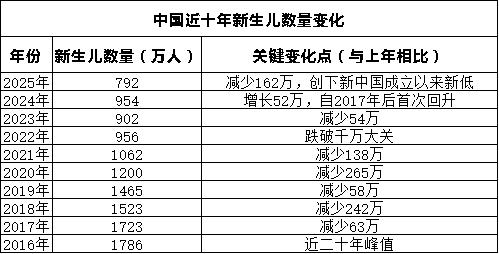
Core Insights - The Chinese maternal and infant industry is undergoing significant changes, marked by a historical low in newborn population and rising prices for infant formula products [1][2] - Major players like Feihe are facing declining revenues and profits, while companies like Kidswant are expanding through acquisitions and showing strong performance [1][4] Industry Overview - The newborn population in China has decreased from a peak of 18.67 million in 2016 to 7.92 million in 2025, marking a significant demographic shift [2][3] - The decline in birth rates has led to increased pressure on leading maternal and infant companies, with Kidswant reporting a revenue increase of 8.10% year-on-year in the first three quarters of 2025 [4][10] Company Performance - Kidswant's revenue for the first half of 2025 was 4.91 billion yuan, with a net profit of 209 million yuan, reflecting a strong performance despite challenges [4][10] - Feihe's revenue has fluctuated, with a reported decline of 9.36% in the first half of 2025, following a trend of revenue and profit decreases since 2022 [1][4] Market Trends - The maternal and infant market is shifting towards online sales, with offline sales decreasing from 69.4% in 2022 to 59.7% in 2024, indicating a change in consumer purchasing habits [5] - The average price of maternal and infant products is rising, with a reported increase of 8.1% in January 2025, as consumers show a preference for higher-quality products [12] Strategic Moves - Kidswant is expanding its business through acquisitions, including a 16 billion yuan purchase of LeYou International and a 16.5 billion yuan acquisition of SiYu Industrial, diversifying its offerings beyond traditional maternal and infant products [11] - Feihe is targeting the adult nutrition market, launching its first AI-powered nutritional product aimed at older adults, reflecting a strategic shift in response to demographic changes [11] Consumer Insights - There is a growing acceptance of higher-priced infant formula among consumers, with over 60% preferring mid to high-end products priced above 200 yuan per can [12] - Different consumer segments in various city tiers have distinct purchasing priorities, with urban consumers focusing on product safety and shopping experience [12] Conclusion - The maternal and infant industry in China is transitioning from a focus on new user acquisition to deepening customer engagement and maximizing lifetime value, necessitating product innovation and brand strengthening [18]

如何加强网售产品监管?新规定“重拳出击”保障消费者权益
Yang Shi Wang· 2025-12-23 01:52
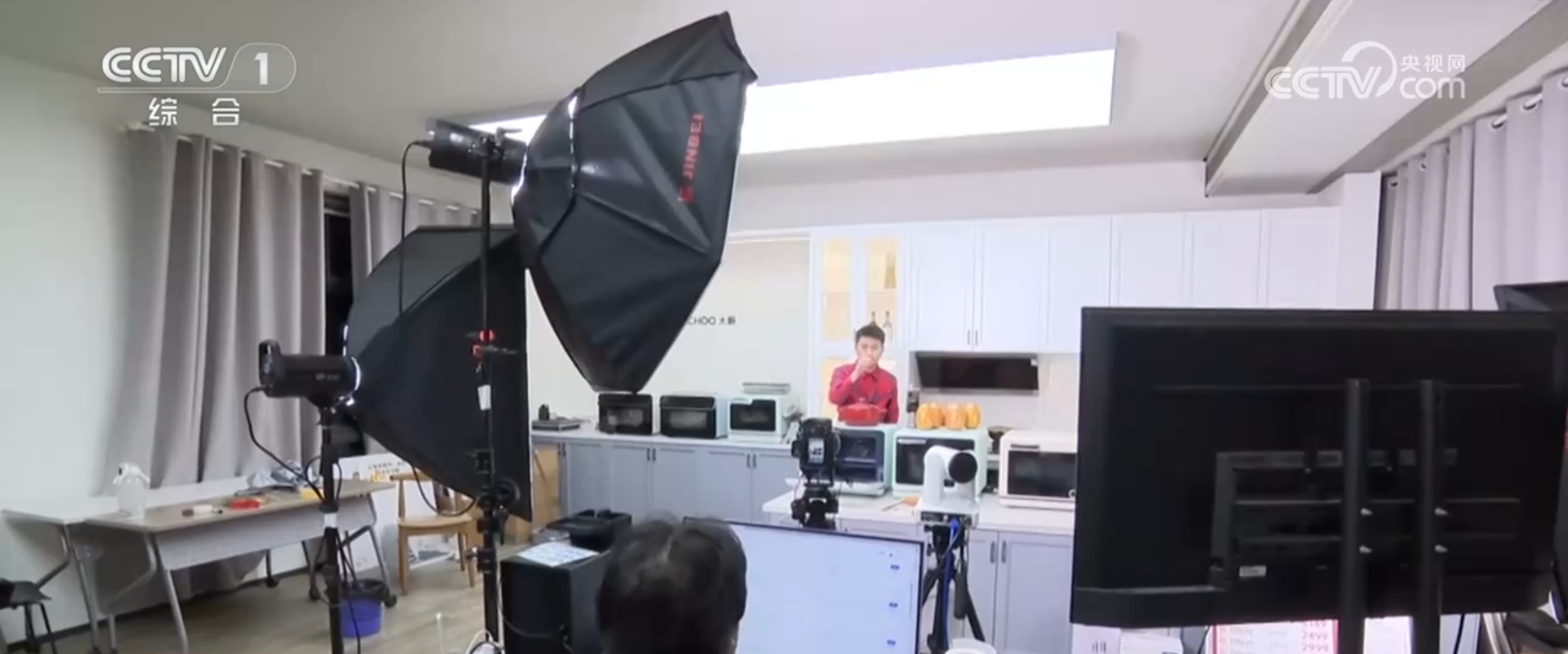
Core Viewpoint - The new regulations issued by the State Administration for Market Regulation aim to enhance consumer rights and product safety in online shopping by implementing a dynamic management system for key industrial products [1]. Group 1: Product Categories - The regulations focus on three main categories of products: industrial products requiring production licenses (e.g., safety helmets, LPG regulators), products under mandatory CCC certification (e.g., child safety seats, electric blankets), and products related to personal health and safety with mandatory national standards (e.g., children's shoes, electronic door locks) [4]. Group 2: Consumer Rights - To protect consumer rights, the regulations require online sellers to clearly display product information, including name, specifications, standards, warnings, and producer details on sales pages [7]. - For products related to health and safety, sellers must also provide inspection reports or links to these reports [9]. Group 3: Platform Responsibilities - The new regulations strengthen the verification responsibilities of e-commerce platforms, requiring them to ensure that product certification numbers and types are consistent before allowing products to be listed for sale [10]. - Platforms must take action, such as deleting or blocking products, if quality issues are detected and must report these issues to local market regulation authorities within five working days [12].
儿童安全座椅“配而不用”仍普遍,专家呼吁明确罚则
Xin Jing Bao· 2025-12-02 04:49
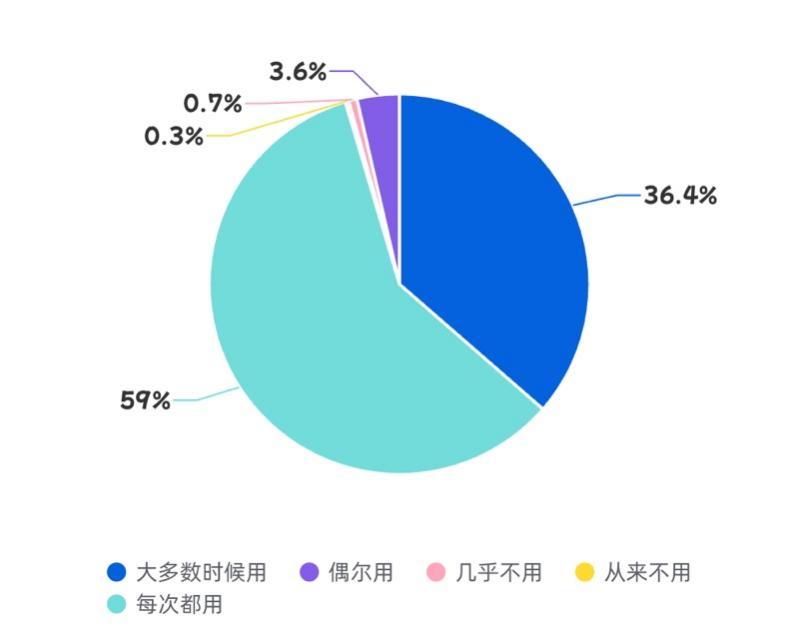
Core Viewpoint - The introduction of "child safety seats" into national legislation in China marks a significant step towards enhancing child safety in vehicles, but awareness and compliance remain low among the public [5][6]. Group 1: Public Awareness and Usage - Awareness of the legal provisions regarding child safety seats in the Minor Protection Law is only 25.3% among the public [5]. - Among families with children aged 0-10 who own cars, the ownership rate of child safety seats is 88.1%, but only 59% use them for every trip [2][3]. - A significant 96.8% of the public understands that child safety seats are necessary even for short trips, yet 71.3% of families skip using them due to perceived low risk on short journeys [2]. Group 2: Safety Risks and Misconceptions - Research indicates that correctly using child safety seats can reduce the risk of death in traffic accidents by approximately 60% [2]. - Many parents underestimate the risks associated with short-distance travel, leading to a "just this once" mentality that hinders safety practices [2][3]. - The force experienced by a child in a collision can be significantly higher than what the human body can withstand, emphasizing the need for proper safety measures [3]. Group 3: Economic Barriers and Public Support - The high cost of child safety seats, often ranging from 1,000 to 3,000 yuan, is a major barrier for families, especially those with multiple children [4]. - 72.6% of respondents support the idea of subsidies or trade-in programs to make child safety seats more affordable [4]. - The main reasons for not purchasing child safety seats include installation difficulties (63%), space concerns (49.4%), and high prices (44.8%) [4]. Group 4: Legislative Recommendations - The current Minor Protection Law lacks specific age/height requirements and enforcement mechanisms for child safety seat usage [5][6]. - Experts suggest that the Road Traffic Safety Law should explicitly mandate the installation and use of child safety seats, along with penalties for non-compliance [6]. - A significant 92.1% of respondents support making the use of child safety seats mandatory in the revised Road Traffic Safety Law, with many accepting fines for non-compliance [6].
全国交通安全日:健全法规固根本,守护儿童安全行
Yang Shi Wang· 2025-12-02 01:26
Core Viewpoint - Road traffic injuries are the leading cause of death for children and adolescents aged 5 to 29, and the correct use of child safety seats can reduce fatalities by at least 60% [1] Legislative Framework - The use of child safety seats is mandated in the revised "Minor Protection Law of the People's Republic of China" effective from June 1, 2021 [1] - Various provinces and cities have enacted local regulations to ensure child passenger safety, such as the Shenzhen Economic Special Zone Traffic Safety Violation Penalty Regulation, which imposes a fine of 300 yuan for non-compliance regarding child safety seat usage for children under four years old [1] Current Situation - As of 2015, the usage rate of child safety seats in China was below 20%, indicating a significant gap in compliance and awareness [1] - There is a need for continued efforts in legislation, enforcement, and public awareness to enhance child passenger safety [1]
拥有率高达近九成使用却仅一半!儿童安全座椅为何“配而不用”?
Yang Guang Wang· 2025-12-02 00:05
Core Viewpoint - The importance of child safety seats in reducing the risk of injury and death in traffic accidents is widely recognized, yet actual usage remains low despite high ownership rates [1][2][6]. Group 1: Public Awareness and Attitudes - 98.9% of respondents acknowledge that proper use of child safety seats significantly reduces the risk of injury and death in traffic accidents [1]. - 94.5% of the public understands that holding a child in arms cannot replace the use of a safety seat, and 96.8% agree that safety seats are necessary even for short trips [1][2]. - Despite high awareness, 71.3% of families skip using safety seats for short trips due to perceived low risk [2][3]. Group 2: Usage Statistics and Gaps - Among families with children aged 0-10, the ownership rate of child safety seats is 88.1%, but only 59% use them for every trip, with a majority using them only 36.4% of the time [2]. - The gap between ownership and actual usage indicates a significant behavioral issue, with many families underestimating the risks associated with short-distance travel [2][6]. Group 3: Economic Factors and Policy Recommendations - 72.6% of the public calls for subsidies and trade-in programs to alleviate the financial burden of purchasing child safety seats, which often cost over 1,000 yuan [6]. - The report suggests that legislative measures are crucial for reducing child road injuries, advocating for mandatory installation and use of child safety seats in family vehicles [6][7]. Group 4: Common Misconceptions and Safety Practices - Common misconceptions include the premature use of forward-facing seats and reliance on adult seat belts for children under 140 cm [8]. - Proper installation and usage practices are critical, as improper fitting can lead to severe injuries during accidents [8][9].
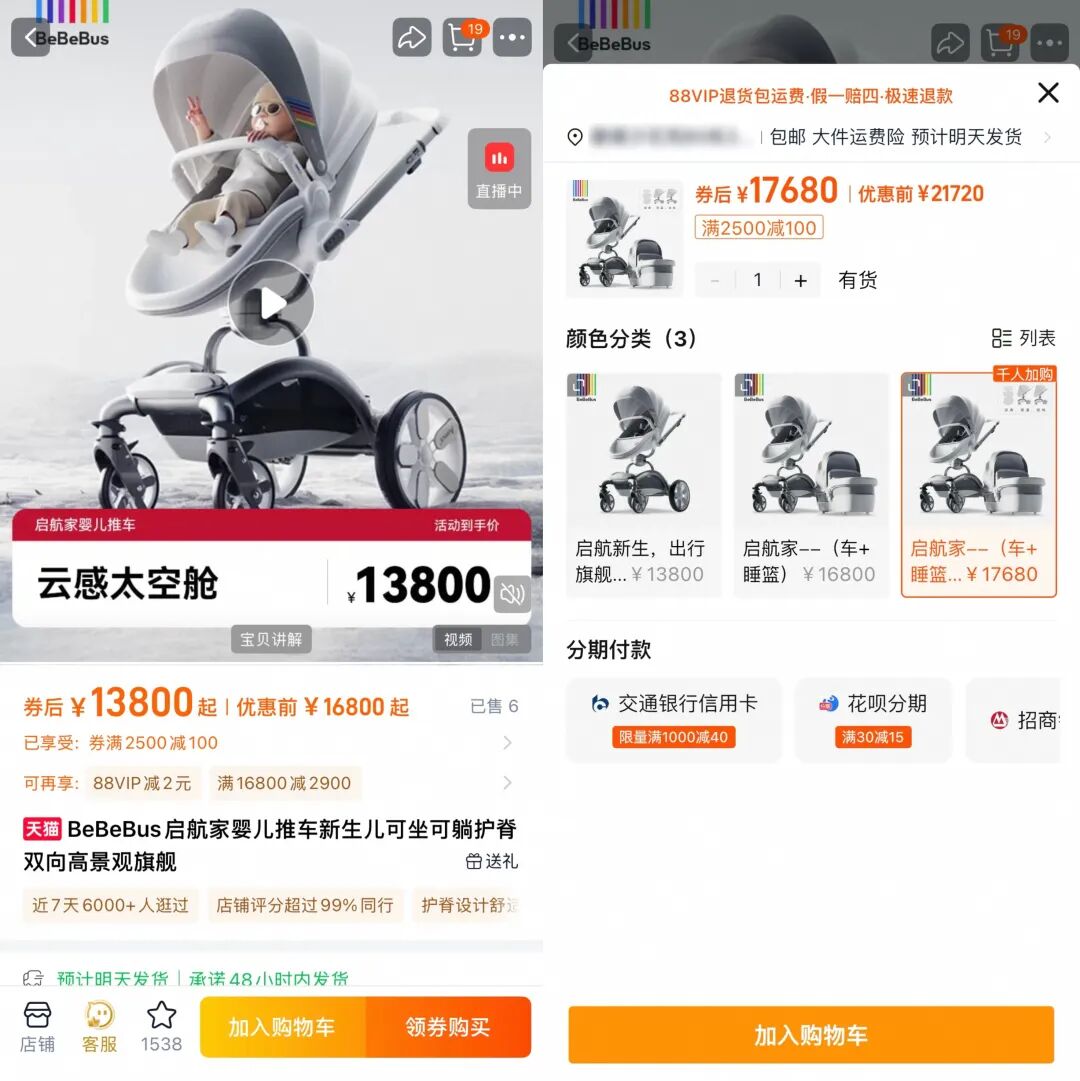
BeBeBus上市首日涨近44%,创始人身家暴涨
3 6 Ke· 2025-09-23 11:10
Core Viewpoint - The high-end maternal and infant brand, Different Group, successfully listed on the Hong Kong Stock Exchange, achieving a significant stock price increase and substantial fundraising for future growth initiatives [1][3]. Group 1: IPO and Financial Performance - Different Group's IPO process took less than nine months, with shares debuting at 102.5 HKD, a 43.96% increase from the offering price of 71.20 HKD [1]. - The company raised approximately 718 million HKD through the global offering, with a staggering 3317.47 times subscription for the Hong Kong public offering [1][3]. - For the fiscal year 2024, Different Group is projected to generate nearly 1.249 billion HKD in revenue, with a gross profit of 629 million HKD and a gross margin of 50.4% [3]. Group 2: Marketing and Sales Strategy - Different Group plans to allocate 245 million HKD (34.1% of net proceeds) for brand activities and expanding its sales network, focusing on online marketing to enhance brand awareness [4]. - The company has collaborated with over 16,000 influencers across various platforms, generating over 830,000 posts and original videos since March 2023 [4]. - The marketing budget includes 65.36 million HKD for influencer collaborations and 54.59 million HKD for advertising on e-commerce platforms [4]. Group 3: Production Capacity and Expansion - Approximately 185 million HKD (25.7% of net proceeds) will be invested in enhancing production capacity, including a new factory in Ningbo with an annual design capacity of 800,000 products [5]. - The existing factory in Ningbo has a design capacity of 180,000 products, with actual production reaching 140,200 units in 2024 [5]. - Different Group aims to expand its market presence internationally, with significant investments planned for the U.S., Canada, and several European countries [5]. Group 4: Historical Financial Performance - Different Group's revenue has grown from 507 million HKD in 2022 to 1.249 billion HKD in 2024, with a consistent gross margin around 50% [6][7]. - The company reported a net loss of 21.22 million HKD in 2022 but turned profitable in 2023, achieving a net profit of 58.52 million HKD in 2024 [7]. - Marketing expenses have significantly increased, totaling 815 million HKD over three and a half years, indicating a strong focus on brand promotion [7]. Group 5: Market Outlook and Challenges - Despite a declining birth rate, Different Group believes economic growth and increasing disposable income among affluent families will drive demand for high-end parenting products [8]. - The number of affluent families in China is projected to grow, although recent reports indicate a slight decrease in the number of wealthy households [9]. - The future of high-end parenting products remains uncertain, with market dynamics and consumer behavior posing potential challenges [10].
开盘大涨41%,这个母婴IPO,有VC“赚”近13倍
3 6 Ke· 2025-09-23 10:44
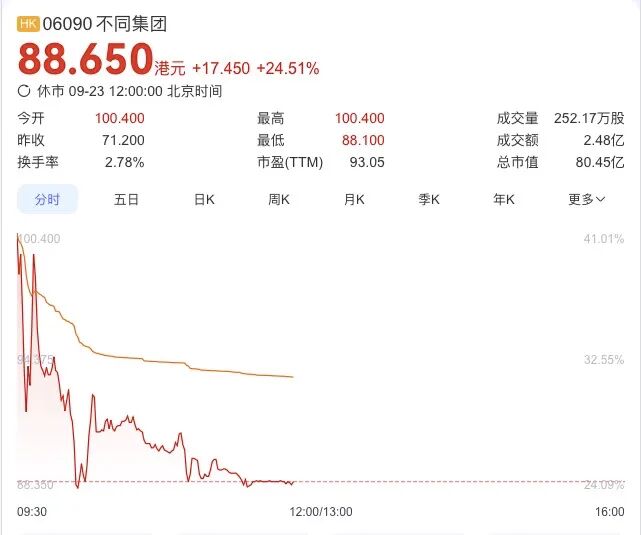
Core Viewpoint - BeBeBus, the first publicly listed company in the maternal and infant consumption technology sector, debuted on the Hong Kong Stock Exchange on September 23, with an initial price of HKD 71.2 per share, opening at HKD 100.4, a nearly 41% increase from the issue price, and closing at HKD 88.65, giving it a market capitalization of approximately HKD 80.45 billion (around CNY 73.63 billion) [1][3][15] Company Overview - Different Group, the parent company of BeBeBus, specializes in designing and selling parenting products, having launched its first brand, BeBeBus, in 2019, targeting mid-to-high-end consumers [3][4] - By 2024, the mid-to-high-end parenting product market is expected to account for 23.6% of the overall parenting product market in China [3] Market Position - BeBeBus ranks second among Chinese parenting product brands in terms of GMV, holding a 4.2% market share in the mid-to-high-end segment as of 2024 [4] Growth Strategy - The company's growth is attributed to the founding team's deep insights into the mid-to-high-end maternal and infant market, with a strategic focus on high-quality, functional, and aesthetically pleasing products [5][7] - The brand has expanded its product offerings from initial core products like strollers and safety seats to include various parenting scenarios such as travel, sleep, feeding, and hygiene care [7] Financial Performance - The company has shown strong revenue growth, with reported revenues of CNY 507 million, CNY 852 million, CNY 1.249 billion, and CNY 726 million for the years 2022, 2023, 2024, and the first half of 2025, respectively, reflecting growth rates of 68.0% and 46.6% for 2023 and 2024 [8][9] - The gross profit margins have remained robust, with gross profits of CNY 241.8 million, CNY 427.3 million, CNY 629.1 million, and CNY 292.3 million for the same periods, resulting in gross margins of 47.7%, 50.2%, 50.4%, and 50.2% [13] Revenue Breakdown - Revenue sources are categorized by scenarios: travel (46.9%), sleep (16.7%), feeding (5.9%), and infant care (30.5%) for 2024 [10] - Online sales channels are the primary revenue source, contributing 74.3% of total revenue in 2024, while offline channels accounted for 25.7% [12] Investor Interest - The company's rapid growth has attracted significant venture capital interest, with multiple funding rounds raising substantial amounts and increasing the company's valuation from CNY 300 million to CNY 2 billion in less than a year [14] - Post-IPO, major investors like Gao Rong Venture Capital and Tiantu Investment have seen substantial returns, with their holdings valued at CNY 6.3 billion and CNY 6 billion, respectively, reflecting gains of 12.2 times and 12.6 times [15]
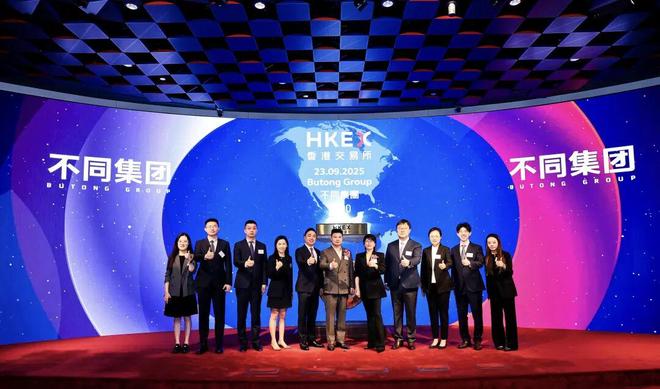
“高端母婴消费科技第一股”上市敲钟!不同集团(06090.HK)正式启航
Ge Long Hui· 2025-09-23 06:23
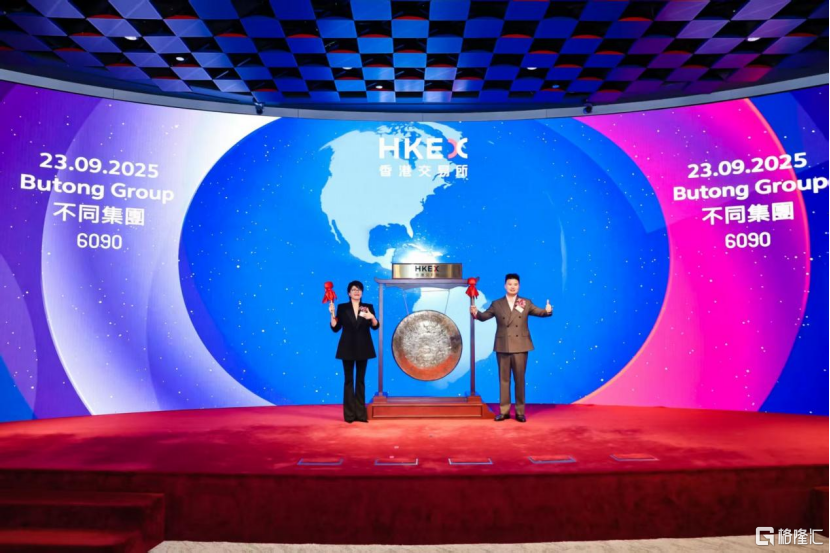
Core Viewpoint - Different Group, the parent company of BeBeBus, has officially listed on the Hong Kong Stock Exchange, marking its position as the "first high-end maternal and infant consumption technology stock" [1][4]. Company Overview - Founded in November 2018, Different Group is a technology-driven family lifestyle product company that launched the high-end maternal and infant brand BeBeBus in 2019, quickly becoming a leader in the durable maternal and infant product segment in China [4][5]. - According to Frost & Sullivan, BeBeBus ranks first in the Chinese mid-to-high-end durable maternal and infant product market by GMV in 2024, indicating strong brand influence and market recognition [4]. Product Differentiation - Different Group's product development emphasizes "forward-looking insights + original design," integrating technologies from various fields such as automotive and consumer electronics to create high-end products with smart features [5]. - The company has registered 200 domestic patents and 17 international patents as of June 30, 2025, showcasing its solid R&D foundation and technological barriers [5]. User Strategy - The company focuses on new-generation parents, providing "parenting scene solutions" across four core areas: travel, sleep, feeding, and care, with a high average transaction value of over 2,400 yuan per order and a member repurchase rate significantly above the industry average [6]. - As of June 30, 2025, Different Group has accumulated approximately 3.5 million members, with an overall repurchase rate of 40.23% in the first half of 2025, reflecting a high user engagement ecosystem [6]. Growth Logic - Different Group employs a "high-frequency + low-frequency" strategy, using high-frequency products like diapers to drive sales of low-frequency durable goods, thereby enhancing inventory turnover and optimizing cash flow [7][8]. - The number of third-party stores has increased from 742 in 2022 to 3,400 by June 30, 2025, demonstrating strong channel expansion capabilities [8]. Future Development - The company aims to accelerate its globalization process, having entered the South Korean market and planning to expand into Southeast Asia and Europe, where the penetration rate of high-end maternal and infant products remains low [11]. - Different Group is committed to enhancing digital operations and supply chain autonomy, with ongoing upgrades to its supply chain and core quality control capabilities [12]. - In the first half of 2025, the company achieved a revenue of 726 million yuan, a year-on-year increase of 24.7%, with a compound annual growth rate of 56.9% from 2022 to 2024 [12]. Conclusion - The successful listing of Different Group signifies its evolution beyond traditional maternal and infant enterprises, positioning it as a consumer technology company centered on user scenarios, driven by technology and design [14]. - The company's growth trajectory, characterized by product cross-industry integration, deep user engagement, and efficient growth strategies, suggests a promising future in the maternal and infant consumption technology sector [15].
中信证券保荐中国领先育儿产品公司不同集团成功登陆港交所
Xin Lang Cai Jing· 2025-09-23 05:33
Group 1 - Different Group successfully listed on the Hong Kong Stock Exchange on September 23, 2025, with an issuance scale of HKD 782 million [1] - Different Group is a leading Chinese parenting products company that launched its first brand, BeBeBus, in 2019, targeting the mid-to-high-end market [3][6] - The company focuses on consumer-centric design and functionality, aiming to provide unique and valuable parenting experiences for modern parents [3][6] Group 2 - CITIC Securities acted as the lead sponsor for Different Group's IPO, leveraging its deep understanding of the parenting products industry to create a tailored listing plan [4] - The firm utilized its integrated domestic and international platform advantages to effectively communicate the company's investment highlights and growth potential to global investors [4] - Different Group has rapidly grown to become a well-known brand in China's parenting products market, ranking first in market share at 4.9% for mid-to-high-end durable parenting products by GMV in 2024 [6]