儿童呼吸道感染

Search documents
国家卫健委:鼻病毒、合胞病毒尚无特效治疗药物
Yang Shi Xin Wen· 2026-01-13 09:08
Core Viewpoint - The National Health Commission emphasizes the importance of proper treatment for respiratory infections in children, highlighting the misuse of antiviral medications like Oseltamivir for non-influenza viruses [1][2]. Group 1: Respiratory Infections in Children - Multiple respiratory pathogens are currently circulating, with viruses accounting for approximately 80% of pediatric respiratory infections [1]. - Oseltamivir is effective only against influenza A and B viruses, and should not be used without supportive test results [1]. Group 2: Health Recommendations - Maintaining a healthy lifestyle, including adequate sleep, balanced diet, and regular exercise, is crucial for stabilizing the immune system [1]. - Strict hygiene practices, such as proper handwashing and respiratory etiquette, are essential to prevent the spread of infections [1][2]. Group 3: Fever Management in Children - For children over 2 months with a temperature of 38.2°C or higher, focus should be on alleviating discomfort rather than solely reducing fever [2]. - Recommended methods for managing fever include reducing clothing, ensuring proper room ventilation, and using lukewarm water for sponging [2]. - Caution is advised against alternating antipyretics, as it may increase the risk of overdose and adverse effects [2]. Group 4: Medication Administration - Parents should avoid administering medications with fruit juices or milk unless specified, as these can affect absorption and cause gastrointestinal discomfort [3]. - Immediate medical attention is necessary if a child exhibits persistent high fever or severe symptoms, regardless of temperature [3].
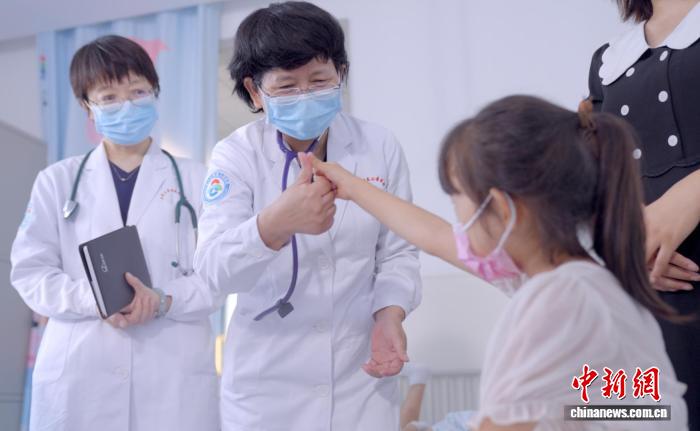
中新健康丨儿童呼吸道感染高发 专家详解何时就医、如何用药
Zhong Guo Xin Wen Wang· 2025-11-28 07:00
Core Viewpoint - The article discusses the high incidence of respiratory infections in children during winter, emphasizing the importance of recognizing symptoms, appropriate home treatment, and the benefits of integrated traditional and Western medicine approaches in managing these infections [1]. Group 1: Symptoms and When to Seek Medical Attention - Common symptoms of respiratory infections in children include cough, runny nose, sneezing, sore throat, and fever, with initial symptoms resembling a cold [2]. - Parents should monitor symptoms closely; if a child has a fever lasting more than three days, worsening cough, or shows signs of respiratory distress, medical attention is necessary [2]. - Specific indicators for seeking medical help include changes in mental state, feeding issues in infants, high fever in older children, and rapid breathing [2]. Group 2: Home Treatment Guidelines - Most respiratory infections in children are viral, with only influenza having specific antiviral treatments; symptomatic treatment is recommended for mild cases [5]. - Fever-reducing medications like ibuprofen or acetaminophen should be administered when the child's temperature exceeds 38.2°C and they are uncomfortable, with careful attention to avoid overlapping medications [5]. - Coughing is a natural reflex; cough suppressants should only be used if the cough significantly disrupts sleep, and the underlying cause should be identified before using antibiotics [5]. Group 3: Integrated Treatment Approaches - For severe cases requiring hospitalization, treatment includes general care, targeted therapy based on diagnostic tests, symptomatic relief, and a combination of traditional and Western medicine [6]. - Integrated treatment methods, such as acupuncture and herbal remedies, can help alleviate symptoms and improve recovery times, particularly for conditions like pneumonia [8]. - The hospital has established a combined outpatient service for chronic conditions, offering tailored treatment plans that incorporate both Western and traditional medicine [8]. Group 4: Post-Recovery Care - After recovery from respiratory infections, children should avoid immediate return to school to allow for proper healing of the respiratory system and immune recovery [9]. - Parents are advised to monitor their children closely for signs of reinfection, especially during high-risk seasons, and to manage exposure to crowded or poorly ventilated areas [9].