克苏鲁

Search documents
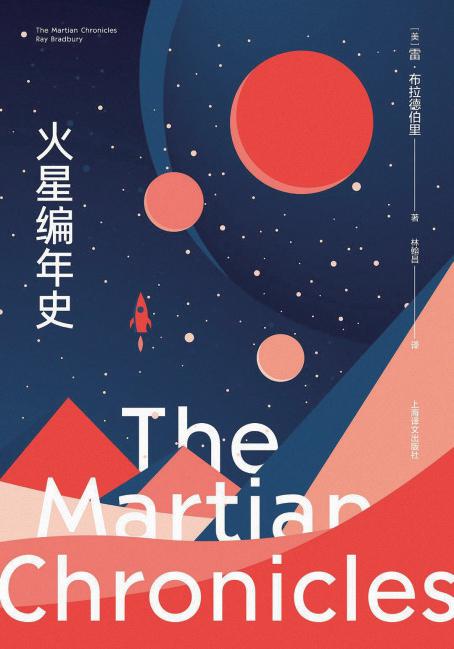
《火星编年史》阴影中的诗意恐惧
Xin Lang Cai Jing· 2026-01-29 18:46
Core Insights - "The Martian Chronicles" by Ray Bradbury serves as a thematic collection reflecting the imagined history of human colonization of Mars from 1999 to 2026, showcasing Bradbury's unique writing style and the influence of the socio-political environment of the 1950s [1][2] Group 1: Themes and Influences - The collection illustrates the deep-seated fears within humanity, tracing back to early human existence and the primal fear of the unknown, which has evolved into various forms of horror literature [2][5] - The historical context of the 1950s, including concerns over nuclear war, McCarthyism, and racial tensions, significantly influenced Bradbury's creative process and thematic choices [1][2] Group 2: Evolution of Horror Literature - The transition from Gothic novels, which depicted fears associated with rural settings and ancestral homes, to modern horror reflects societal changes as urbanization replaced rural life [3][4] - The emergence of new horror forms, such as Lovecraft's Cthulhu mythos, represents humanity's confrontation with the incomprehensible unknown, paralleling the technological advancements of the time [6][7] Group 3: The Martian Context - Bradbury's Martian setting serves as a mirror for human desires and fears, with Martians reflecting the inner thoughts and aspirations of Earth explorers, thus shifting the focus from external threats to internal human psychology [10][11] - The narrative progresses to depict the transformation of Mars from an unknown frontier to a familiar habitat, symbolizing the diminishing presence of fear as humanity conquers the unknown [11][12] Group 4: Science Fiction and Its Boundaries - The evolution of science fiction parallels advancements in scientific understanding, with earlier Martian narratives giving way to more realistic portrayals as knowledge of Mars expanded [12][13] - The ongoing migration of horror and science fiction themes to more distant realms illustrates the dynamic relationship between human imagination and scientific progress, highlighting the role of speculative fiction in driving human ambition [13]

无限流、克苏鲁、无CP,这些网文真能影视化?
3 6 Ke· 2025-12-03 00:15
Core Viewpoint - The article discusses the evolving landscape of web novel adaptations in the Chinese entertainment industry, highlighting the shift from traditional, easily adaptable IPs to more complex and innovative narratives that present significant challenges for film and television adaptation [1][3][58]. Group 1: Industry Trends - The demand for new web novel IPs has surged as many popular titles have been rapidly consumed over the past decade, prompting long video platforms to explore new genres such as infinite flow, Cthulhu, and science fiction [3][58]. - The adaptation of complex narratives like "Endless Paradise" and "Cthulhu" themed works indicates a move towards high-concept storytelling in the industry, which may redefine the standards for successful adaptations [4][31][58]. Group 2: Specific Adaptations - "Endless Paradise," a representative work of the infinite flow genre, has been announced for adaptation, with the author expressing both excitement and concern regarding its feasibility due to its intricate narrative structure [4][15]. - The adaptation of "Cthulhu" themed works, such as "Dao Gui Yi Xian," showcases the industry's willingness to tackle challenging content, despite the inherent difficulties in visualizing such complex themes [31][36][58]. - "Ten Days of the End" is another adaptation in progress, reflecting the industry's focus on high-concept narratives and the potential for innovative storytelling in the male-oriented web novel sector [21][23][58]. Group 3: Challenges and Opportunities - The adaptation of works without traditional romantic elements, such as "Endless Paradise," poses unique challenges, as the industry has historically favored narratives with romantic subplots [13][15]. - The increasing complexity of web novels necessitates a reevaluation of production capabilities within the industry, as adaptations must meet higher standards of storytelling and visual representation [48][58]. - The industry's shift towards more innovative and diverse content types is driven by the need to engage a more discerning audience, indicating a potential for growth and evolution in the adaptation landscape [58].