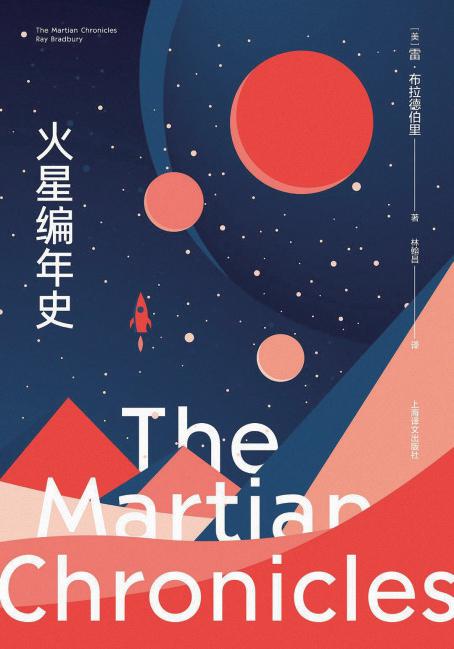
《火星编年史》

Search documents
《火星编年史》阴影中的诗意恐惧
Xin Lang Cai Jing· 2026-01-29 18:46
Core Insights - "The Martian Chronicles" by Ray Bradbury serves as a thematic collection reflecting the imagined history of human colonization of Mars from 1999 to 2026, showcasing Bradbury's unique writing style and the influence of the socio-political environment of the 1950s [1][2] Group 1: Themes and Influences - The collection illustrates the deep-seated fears within humanity, tracing back to early human existence and the primal fear of the unknown, which has evolved into various forms of horror literature [2][5] - The historical context of the 1950s, including concerns over nuclear war, McCarthyism, and racial tensions, significantly influenced Bradbury's creative process and thematic choices [1][2] Group 2: Evolution of Horror Literature - The transition from Gothic novels, which depicted fears associated with rural settings and ancestral homes, to modern horror reflects societal changes as urbanization replaced rural life [3][4] - The emergence of new horror forms, such as Lovecraft's Cthulhu mythos, represents humanity's confrontation with the incomprehensible unknown, paralleling the technological advancements of the time [6][7] Group 3: The Martian Context - Bradbury's Martian setting serves as a mirror for human desires and fears, with Martians reflecting the inner thoughts and aspirations of Earth explorers, thus shifting the focus from external threats to internal human psychology [10][11] - The narrative progresses to depict the transformation of Mars from an unknown frontier to a familiar habitat, symbolizing the diminishing presence of fear as humanity conquers the unknown [11][12] Group 4: Science Fiction and Its Boundaries - The evolution of science fiction parallels advancements in scientific understanding, with earlier Martian narratives giving way to more realistic portrayals as knowledge of Mars expanded [12][13] - The ongoing migration of horror and science fiction themes to more distant realms illustrates the dynamic relationship between human imagination and scientific progress, highlighting the role of speculative fiction in driving human ambition [13]

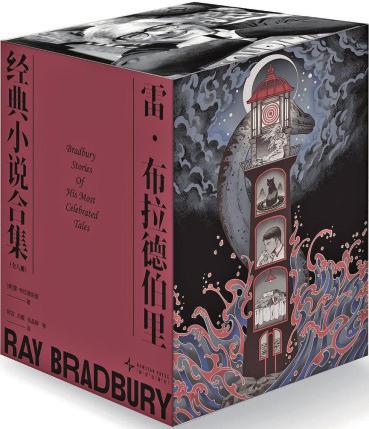
雷·布拉德伯里 永不枯竭的创作热情
Xin Lang Cai Jing· 2026-01-29 17:43
Group 1 - Ray Bradbury's short stories cover a wide range of themes, from time travel to Mars colonization, but he never fully commits to any single theme, creating a magical experience for readers that reflects on humanity and society [1] - Bradbury's writing process was heavily influenced by his childhood fascination with magic, which began when he was twelve years old, leading him to write daily and produce over three hundred short stories and three novels by the time of his death [2][3] - He believed that university education was not necessary for becoming a writer, preferring the resources of libraries, which he frequented for ten years, emphasizing the importance of self-education through reading [3] Group 2 - Bradbury's stories often explore the theme of time travel, not focusing on the mechanics but rather on the connection between life and literature, as seen in his works [4][5] - In "Summer Meeting Dickens," the protagonist Ralph meets Charles Dickens, and through their collaboration, they explore the struggles of literary creation, highlighting the eternal connection between literature and life [6][7] - Bradbury's works suggest that the essence of "eternal life" lies in creating something that carries one's spirit into the future, emphasizing the role of imagination and storytelling in achieving this [8][10] Group 3 - Bradbury's stories often reflect a longing for the past, as seen in "Strawberry Window," where a couple on Mars yearns for the comforts of Earth, illustrating the importance of memory and connection to one's roots [14] - His narratives frequently critique the rapid pace of modern life and the loss of meaningful experiences, advocating for a slower, more reflective approach to existence [14][17] - Bradbury's literary style is characterized by a blend of fantasy and human experience, focusing on the emotional and psychological aspects of his characters rather than adhering strictly to science fiction conventions [13][15]