全产业链融合发展

Search documents
新华视点|多元特色产业绘就乡村振兴新画卷
Xin Hua Wang· 2025-11-27 07:50
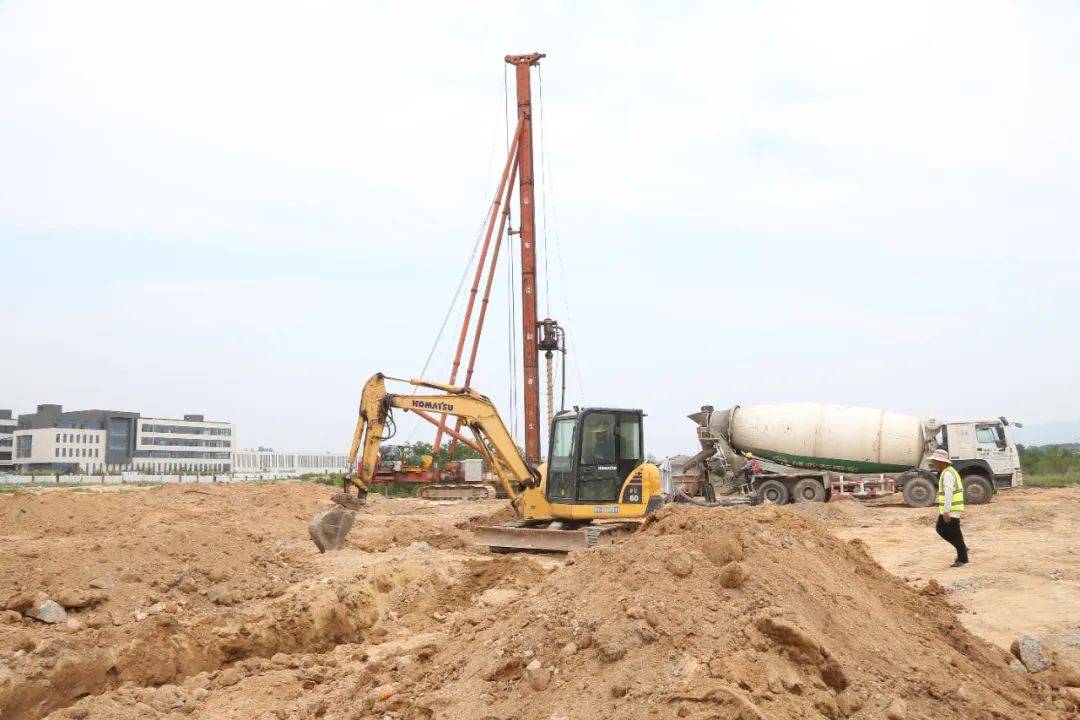
Group 1 - Qiujiadian Town in Taian, Shandong Province has over 40 years of history in autumn pants processing, currently producing 80 million pairs annually, making it a well-known knitting processing village [1] - In 2022, Taian City established a textile and apparel industry chain with over 2,000 textile and apparel enterprises, including 145 large-scale enterprises, continuously activating new development momentum through "intelligent transformation and digital upgrading" [3] Group 2 - In Lingwu City, Ningxia, the high-quality leeks from the 10,000 acres of facilities are currently in the best harvesting period, becoming a sought-after market product [5] - Yongxing County in Hunan Province has 155,000 acres of ice sugar oranges entering the harvesting season, with over 1,000 acres of ice sugar orange trees spread across the mountains [7] - Lingwu City has initiated a "high-quality leek full industry chain integration development" model, enhancing the leek industry chain from seedling cultivation to market marketing, making leek planting a characteristic industry for local income increase [8] Group 3 - In Tengchong City, Yunnan Province, the ginkgo trees in Jiangdong Village are currently in the best viewing period, with a surge in coffee business driven by the strong sales of small particle coffee from Baoshan [10] - The planting base adopts a "company + base + farmer" industry model, implementing unified management, technical guidance, and sales, while also purchasing ice sugar oranges from surrounding farmers, allowing more fruit growers to share in the benefits of industry development [11] - The new variety of edible roses in Tianxin Village, Lingchuan County, Guangxi, is being harvested at its peak, characterized by high yield, easy field management, and becoming a "wealth flower" for local income increase [12][14]

青海:构建全产业链融合体系 十万农牧民共享产业增值红利
Zhong Guo Xin Wen Wang· 2025-11-12 17:23
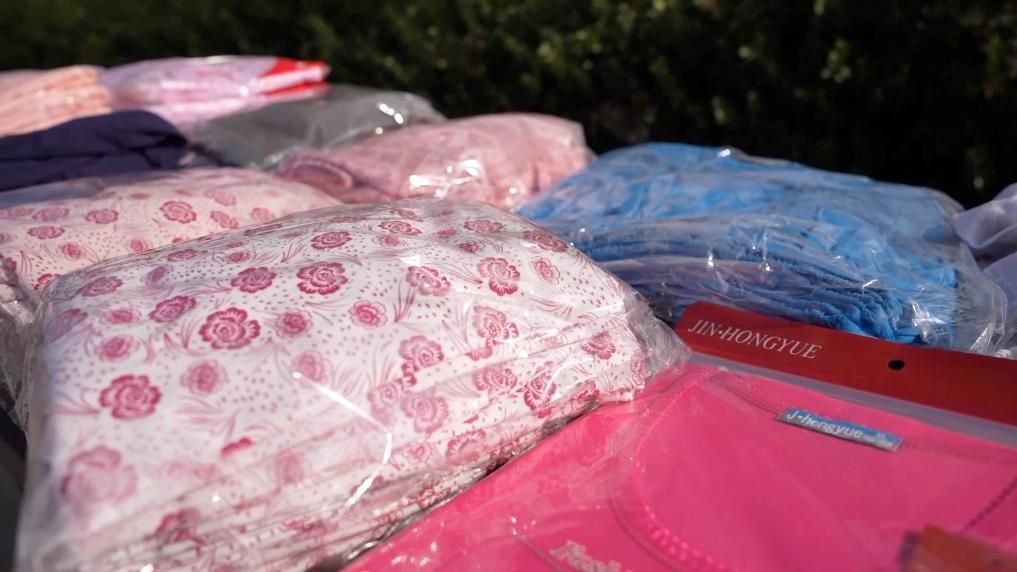
Core Viewpoint - Qinghai Province has successfully built a tightly connected industrial system through the integration of characteristic agricultural resources and innovative mechanisms, ensuring that ordinary farmers benefit from the value-added in the green organic agricultural and livestock product output [1] Group 1: Agricultural Development - Qinghai Province has focused on the integration of industries, emphasizing key characteristic industries such as yak, Tibetan sheep, rapeseed, barley, goji berries, and cool-season vegetables, aiming to upgrade and enhance these industries [3] - By 2025, a total of 9.89 billion yuan in central government special funds will be allocated to establish 6 characteristic industrial clusters and 23 strong agricultural towns, targeting key areas such as standardized planting and breeding, deep processing, cold chain logistics, market marketing, product research and development, and brand building [3] - The province has adopted an agricultural industrialization development model involving leading enterprises, cooperatives, family farms, and farmers, attracting 265 operational entities, including 180 enterprises, 59 cooperatives, and 26 public institutions, benefiting nearly 100,000 farmers and creating approximately 12,000 jobs [3] Group 2: Rural Tourism and Employment - Leisure agriculture and rural tourism have emerged as new engines for increasing farmers' income, with 2,900 leisure agriculture operators and 71,000 employees expected by 2025, including 36,000 farmers [4] - The province anticipates receiving 26 million tourists annually, generating 1.472 billion yuan in revenue, with 390 million yuan from the sale of agricultural products, and an average annual salary of 25,000 yuan for employees [4] Group 3: Rural Industry Villages - Qinghai has invested 1.45 billion yuan in various funds to build 315 rural industry villages, focusing on addressing the shortcomings in rural industrial development [5] - The province has implemented a mechanism to ensure that the construction process involves the public, allowing them to participate, verify results, and ultimately benefit from the outcomes [5]
来自“顶梁柱”的“大担当” 广东制造业何以融合、进阶、追赶?
Yang Shi Xin Wen· 2025-08-26 01:47
Economic Overview - In the first half of the year, six major economic provinces in China contributed over 29.4 trillion yuan to the national economy, accounting for 44.6% of the total [1] - Guangdong's GDP reached 68,725 billion yuan, with a year-on-year growth of 4.2%, and the manufacturing sector grew by 4.5%, accelerating from the first quarter [1] Manufacturing Sector Performance - Guangdong's computer, communication, and other electronic equipment manufacturing increased by 7.3%, while electrical machinery and equipment manufacturing grew by 7.8%, and automobile manufacturing rose by 7.2% [5] - The production of wind power generators, civilian drones, industrial robots, and service robots all maintained growth rates exceeding 20% [5] Technological Integration in Agriculture - A significant agricultural enterprise in Shenzhen has integrated smart devices and digital agriculture applications, achieving an annual revenue exceeding 220 billion yuan [7] - Farmers are utilizing automated systems for planting and harvesting, with one farmer reporting a 30% increase in efficiency due to an automatic driving system for tractors [9] Innovations in Production Processes - A vertical production line in Guangdong is designed for producing high-voltage submarine cables, enhancing efficiency by over 15% with an investment of 40 million yuan [22] - The production of large offshore wind turbine blades has been optimized, reducing the manufacturing time to 58 hours for a 126-meter blade, with expectations to produce 12 sets of blades monthly [26] Regional Economic Development - The integration of various industries is evident in the rapid development of industrial parks in regions like Meizhou, which are attracting significant investments and projects [31] - The economic growth rates in Meizhou, Shanwei, Zhanjiang, Chaozhou, and Qingyuan have surpassed the provincial average, indicating a shift in economic dynamics [36] Strategic Goals and Future Outlook - Guangdong aims to stabilize the national economy while pursuing high-quality development, focusing on the themes of integration, advancement, and catching up [36]
威海营商行丨临港区:产业链上添新翼
Sou Hu Cai Jing· 2025-07-14 09:53
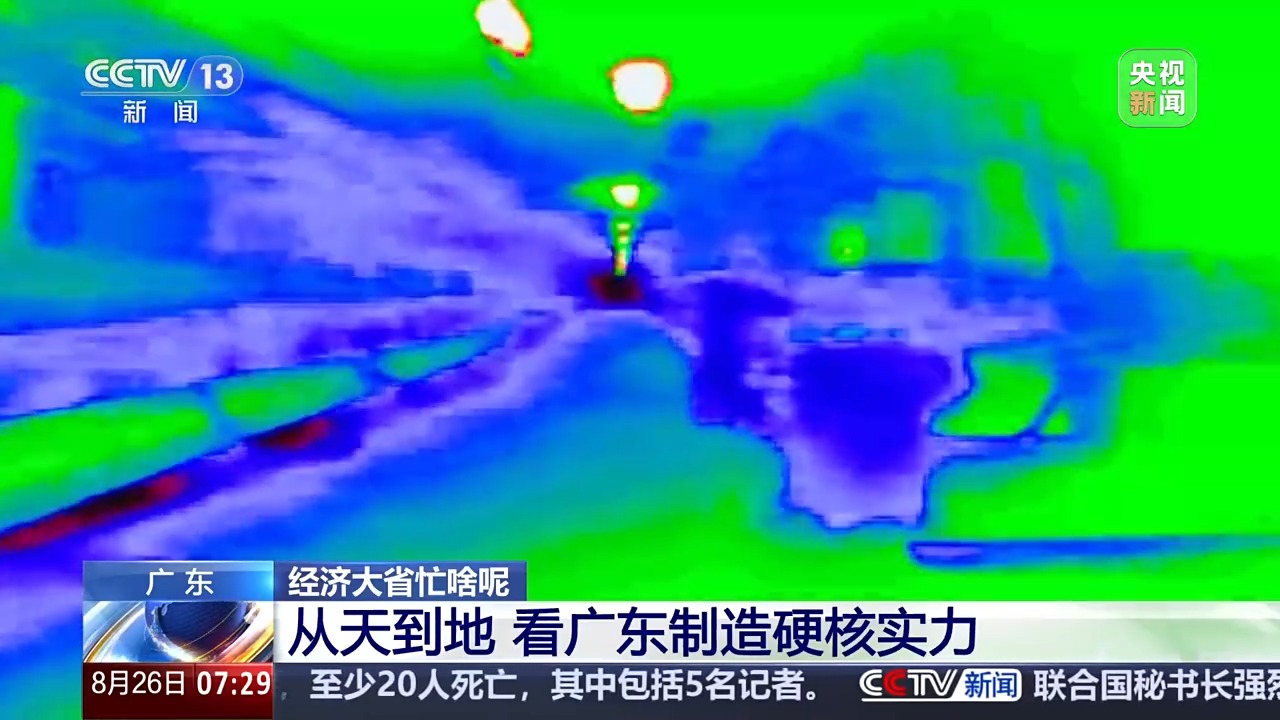
Group 1 - The construction projects in the Lingang area are progressing rapidly, contributing to high-quality development in the region [1] - The Haiwei Electronic Technology (Weihai) Co., Ltd. project focuses on providing irradiation sterilization services for medical devices and food, filling a gap in the local market [2][4] - The project was facilitated by a business-to-business approach, where Saiwei Medical acted as a bridge to connect with Shanghai Xinhaiwei Technology Co., Ltd. [4][6] Group 2 - The project has received strong support from government departments, significantly speeding up the approval process for environmental assessments [6] - Haiwei Electronic Technology is set to introduce advanced irradiation equipment, aiming to establish a leading irradiation center in the country by the end of the year [6] - The Lingang area is enhancing its business environment to attract more projects, which is expected to drive economic growth [10] Group 3 - The Wangtian Apple Industry Integration Development Demonstration Base project is under construction, focusing on modern apple cultivation and processing [7][9] - The project has a total investment of approximately 130 million yuan and aims to create an intelligent sorting center for apples [9] - The introduction of a dual-channel intelligent sorting system will improve the quality control of apples, potentially increasing sales revenue by 1 to 2 yuan per kilogram [9][10]