全域调查

Search documents
智慧监测、价值转化,丽水探索南方丘陵地区治水新路
Zhong Guo Huan Jing Bao· 2026-01-21 08:51
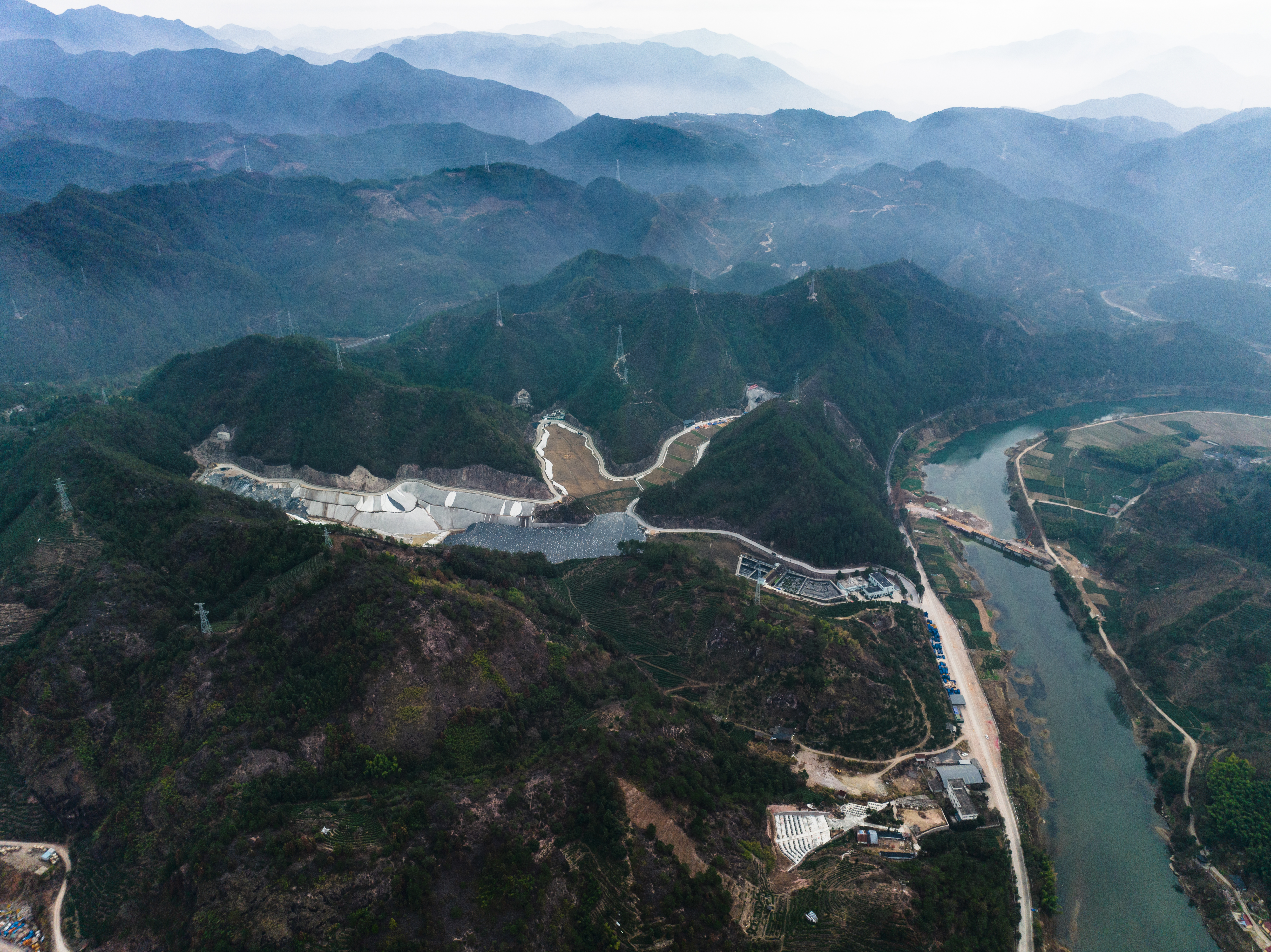
Core Viewpoint - Lishui City in Zhejiang Province has been recognized for its effective groundwater pollution prevention measures, achieving an "excellent" rating in a recent evaluation by the Ministry of Ecology and Environment, showcasing a successful transition from passive to proactive groundwater management [1][3]. Group 1: Groundwater Pollution Prevention Initiatives - Lishui became one of the first national pilot areas for groundwater pollution prevention in 2020, establishing a comprehensive governance system focused on "full-area investigation, smart monitoring, systematic prevention, and value transformation" [1][3]. - The city has implemented four pilot projects addressing various types of groundwater pollution, including the Suichang Huangtian Mine groundwater pollution control project and the Songyang landfill groundwater pollution prevention project [3][7]. Group 2: Monitoring and Data Collection - A comprehensive groundwater survey was initiated, covering 104 industrial enterprises and 10 drinking water sources, resulting in the establishment of a high-precision "groundwater environmental risk map" [8][10]. - Lishui has developed a monitoring network consisting of 38 online monitoring points and 205 manual monitoring points, enabling real-time analysis of groundwater quality and facilitating early warning systems [10][12]. Group 3: Technological Integration and Smart Management - The integration of IoT, big data, and AI into groundwater management has led to the establishment of a regulatory and resource management information system, enhancing the ability to trace pollution sources and predict trends [13][20]. - The "DMP Intelligent Protection" platform allows for real-time monitoring of groundwater parameters, ensuring rapid response to any anomalies detected [12][13]. Group 4: Economic Value and Sustainability - Lishui is exploring the inclusion of groundwater resources in the ecosystem GDP (GEP) accounting, aiming to quantify the ecological value of groundwater and promote sustainable management practices [20]. - The transformation of former pollution sites into educational and ecological resources demonstrates the potential for economic benefits derived from effective groundwater management [14][16].