
GEP核算

Search documents
破解林业“四难”融资困境:重庆市深化集体林权制度改革背景下的绿色金融创新路径研究 | 政策与监管
清华金融评论· 2026-02-04 09:54
Core Viewpoint - The article emphasizes the importance of integrating forest reform and financial reform in Chongqing to address the financing difficulties faced by the forestry sector, which include challenges in asset confirmation, valuation, collateralization, and financing [4][31][33]. Group 1: Financing Difficulties in Forestry - The inherent difficulties in forestry financing stem from the traditional credit system's inability to adapt to the unique characteristics of forestry assets, which include long cycles, diverse values, and complex ownership [8]. - The challenges of asset confirmation arise from unclear asset boundaries and difficulties in accurately identifying ownership, particularly in collective forest rights [9]. - Valuation issues are primarily due to the lack of standardized metrics for assessing ecological benefits, leading to significant underestimation of forest asset values [10]. - Collateralization is hindered by limited disposal channels and a lack of risk mitigation mechanisms, making financial institutions hesitant to lend against forestry assets [11]. - The culmination of these issues results in a significant financing gap, particularly affecting small and medium-sized forestry operators who struggle to access adequate funding through conventional credit channels [12]. Group 2: Systematic Solutions in Chongqing - Chongqing has adopted a systematic approach to address these financing challenges by leveraging its dual role as a pilot area for collective forest rights reform and green financial innovation [5][6]. - The city has implemented a comprehensive policy framework that includes top-level design, digital infrastructure, a financial product matrix, and a value transformation system to enhance forestry financial services [15]. - Specific policies have been developed at both the municipal and district levels to ensure effective implementation, such as asset evaluation management guidelines and collective forest rights mortgage loan business guides [16][17]. Group 3: Digital Infrastructure and Value System - The establishment of a digital platform for forest rights aims to resolve asset confirmation issues by creating a reliable database for forest land, facilitating smoother transactions and financing processes [18][19]. - Chongqing has developed a value transformation system that includes standardized valuation metrics for ecological benefits, enabling better integration of ecological value into financial assessments [20]. - Innovative financial products have been created to match the characteristics of forestry assets, including carbon credit loans and composite mortgage models that incorporate ecological product values [22][23]. Group 4: Future Directions for Integration - The article outlines future efforts to deepen the integration of forest and financial reforms, focusing on expanding the application of ecological value assessment standards and enhancing the digital forest rights platform [25][26]. - There is a commitment to developing tailored financial services that align with the specific needs of forestry projects, ensuring that financial support is both effective and sustainable [28]. - The ongoing enhancement of risk-sharing mechanisms and the introduction of long-term financing products are crucial for addressing the unique challenges of the forestry sector [29].

破解林业“四难”融资困境:重庆市深化集体林权制度改革背景下的绿色金融创新路径研究|政策与监管
清华金融评论· 2026-02-03 08:43
Core Viewpoint - The article discusses the systemic challenges faced by the forestry sector in China, particularly in financing, and highlights the innovative practices and policy recommendations from Chongqing to address these issues, aiming to provide a reference for national-level forestry financial reform and the smooth transition of ecological benefits [2][3][27]. Group 1: Financing Challenges in Forestry - The inherent difficulties in forestry financing include "difficulties in rights confirmation, valuation, mortgage, and financing," which have long restricted the effective transmission of financial capital to the forestry sector [2][3]. - The traditional credit system is not compatible with the unique characteristics of forestry assets, leading to structural financing difficulties [5]. - The challenges of rights confirmation stem from unclear asset boundaries and difficulties in accurately identifying ownership, particularly in collective forest rights [6]. - Valuation issues arise from the lack of standardized metrics to quantify ecological benefits, leading to significant underestimation of forestry asset values [7]. - Mortgage difficulties are primarily due to inadequate channels for asset disposal and a lack of risk mitigation mechanisms, causing financial institutions to hesitate in lending against forestry assets [8]. - The culmination of these challenges results in a mismatch between the supply and demand for funds, making it difficult for forestry operators, especially smallholders, to access sufficient and low-cost financing [9]. Group 2: Chongqing's Innovative Practices - Chongqing has adopted a systematic approach to address these financing challenges by integrating collective forest rights reform with financial innovation, creating a comprehensive solution that includes institutional design, digital infrastructure, financial product matrices, and value transformation systems [11]. - The city has implemented a multi-layered, collaborative policy framework to support the reform, including various policy documents aimed at addressing financing difficulties [12][13]. - A digital platform, "Smart Forest Rights," has been developed to enhance the clarity and reliability of forest rights, facilitating better access to financing [14][15]. - Chongqing has established a value transformation system that includes unified valuation standards and integrates ecological product value into credit approval processes, thereby enhancing the financial viability of forestry assets [17][18]. Group 3: Financial Product Innovations - Financial institutions in Chongqing have created a range of innovative financial products tailored to the characteristics of forestry assets, including carbon credit pledge loans and unique financing models based on specific asset rights [19][20]. - A "stock-loan-bond-insurance" linkage mechanism has been developed to provide comprehensive financial support throughout the project lifecycle, effectively sharing risks and benefits among stakeholders [20]. Group 4: Future Focus Areas - Chongqing aims to deepen the application and promotion of value assessment standards, ensuring that ecological product value assessments are integrated into financial decision-making processes [22]. - The "Smart Forest Rights" platform will be enhanced to improve efficiency and functionality, incorporating advanced data analytics and risk monitoring capabilities [23]. - The city will continue to expand financial applications in forestry, focusing on customized financial solutions that align with specific project needs and regional characteristics [24][25].
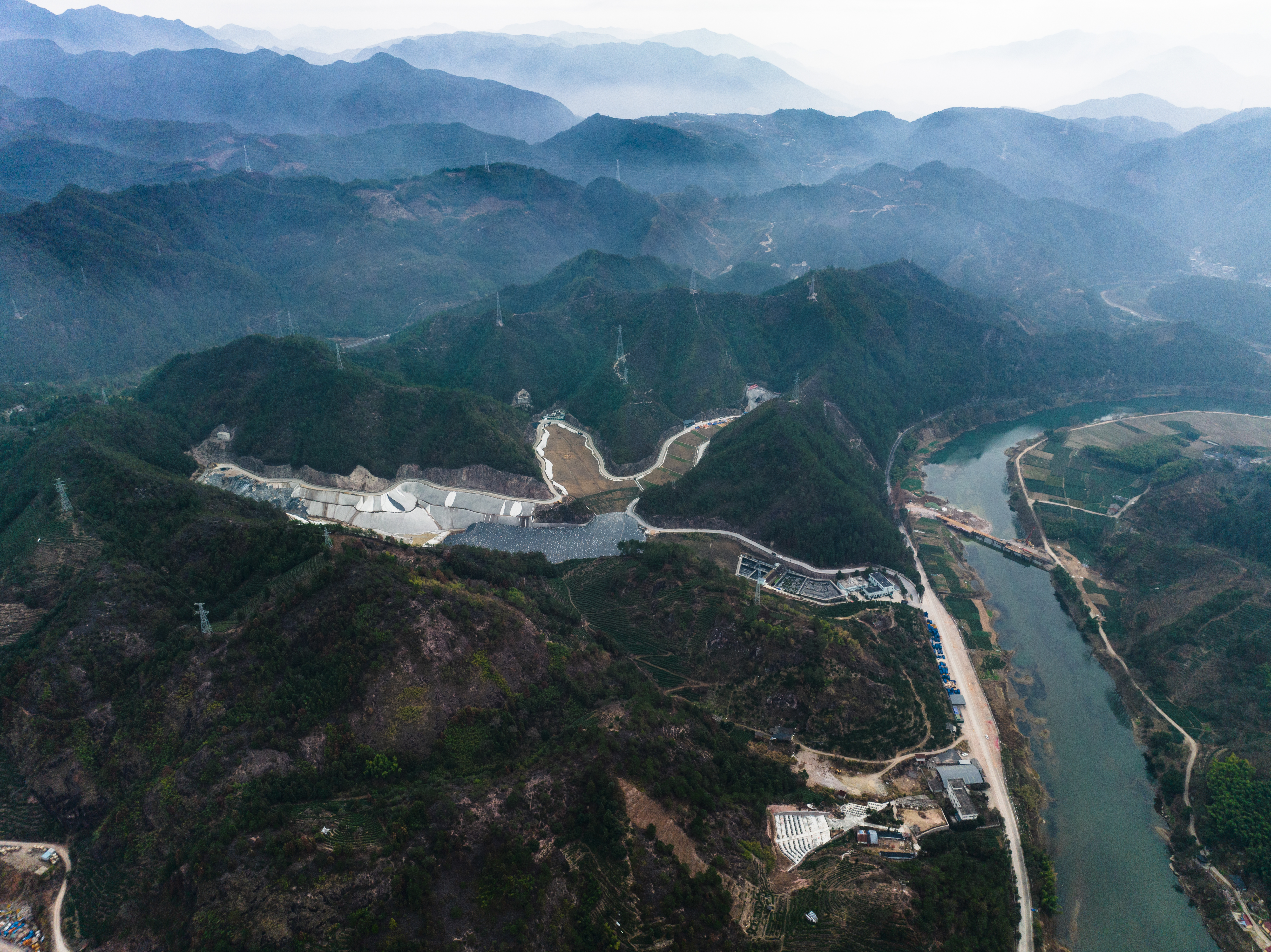
智慧监测、价值转化,丽水探索南方丘陵地区治水新路
Zhong Guo Huan Jing Bao· 2026-01-21 08:51
Core Viewpoint - Lishui City in Zhejiang Province has been recognized for its effective groundwater pollution prevention measures, achieving an "excellent" rating in a recent evaluation by the Ministry of Ecology and Environment, showcasing a successful transition from passive to proactive groundwater management [1][3]. Group 1: Groundwater Pollution Prevention Initiatives - Lishui became one of the first national pilot areas for groundwater pollution prevention in 2020, establishing a comprehensive governance system focused on "full-area investigation, smart monitoring, systematic prevention, and value transformation" [1][3]. - The city has implemented four pilot projects addressing various types of groundwater pollution, including the Suichang Huangtian Mine groundwater pollution control project and the Songyang landfill groundwater pollution prevention project [3][7]. Group 2: Monitoring and Data Collection - A comprehensive groundwater survey was initiated, covering 104 industrial enterprises and 10 drinking water sources, resulting in the establishment of a high-precision "groundwater environmental risk map" [8][10]. - Lishui has developed a monitoring network consisting of 38 online monitoring points and 205 manual monitoring points, enabling real-time analysis of groundwater quality and facilitating early warning systems [10][12]. Group 3: Technological Integration and Smart Management - The integration of IoT, big data, and AI into groundwater management has led to the establishment of a regulatory and resource management information system, enhancing the ability to trace pollution sources and predict trends [13][20]. - The "DMP Intelligent Protection" platform allows for real-time monitoring of groundwater parameters, ensuring rapid response to any anomalies detected [12][13]. Group 4: Economic Value and Sustainability - Lishui is exploring the inclusion of groundwater resources in the ecosystem GDP (GEP) accounting, aiming to quantify the ecological value of groundwater and promote sustainable management practices [20]. - The transformation of former pollution sites into educational and ecological resources demonstrates the potential for economic benefits derived from effective groundwater management [14][16].
从“生态好”走向“能转化、可持续、有支撑”
Xin Lang Cai Jing· 2026-01-12 19:03
Core Viewpoint - Qinghai is at a crucial stage of ecological civilization construction, aiming to transform its ecological advantages into institutional, market-oriented, and industrialized benefits, thereby enhancing sustainable governance and high-quality development [1] Group 1: Institutional Framework for Ecological Advantages - The focus is on establishing a rigorous institutional framework to institutionalize ecological advantages, emphasizing the importance of ecological protection as a national priority [1] - Key measures include implementing strict land use regulations, ecological protection red lines, and a natural protection area system to minimize ecological fragmentation and disorderly development [1] - The approach also involves integrated protection and systematic governance of ecosystems, transitioning from point-based restoration to comprehensive regional management [1] Group 2: Marketization of Ecological Advantages - The article highlights the need for market mechanisms and compensation systems to address the cost-benefit mismatch in ecological services, facilitating the realization of ecological product values [2] - It emphasizes the importance of ecological product value assessment and management, converting ecological contributions into measurable values for policy-making and funding allocation [2] - The development of trading mechanisms for ecological resources, such as carbon credits and water rights, is essential to create positive incentives for conservation behaviors [2] Group 3: Industrialization of Ecological Advantages - The transformation of ecological advantages into a modern industrial system is crucial, focusing on converting ecological resources into products and services while driving industrial upgrades through green constraints [3] - The establishment of a high-quality, low-impact ecological experience and education sector is proposed, leveraging national parks to create a new growth point for ecological branding [3] - The article advocates for a robust supply system for green organic agricultural products, enhancing local transformation capabilities and market credibility [3]
“绿水青山”之绿证与黄河示范
Sou Hu Cai Jing· 2026-01-09 06:44
Core Concept - The article discusses the mechanism for realizing ecological value guided by the philosophy of "Lucid waters and lush mountains are invaluable assets," proposing a three-stage approach centered on a green certificate system to facilitate the transformation of ecological value into economic value [2][3][4]. Group 1: Background and Mechanism of Ecological Value Realization - The concept of ecological value realization emphasizes the integration of economic development and ecological protection, highlighting the potential for ecological resources to be transformed into productive forces [3]. - The economic value of "Lucid waters and lush mountains" is derived from two main aspects: the direct economic value of ecological products and the consumable value that attracts tourism and investment [4]. Group 2: Current Challenges and Solutions - The current market for ecological product transactions is inactive, necessitating a standardized property rights system to facilitate trading [5]. - Establishing a standardized property rights certificate system for ecological products is essential to enable their marketability and to integrate ecological value into GDP calculations [5][6]. Group 3: Stages of Ecological Value Realization - The realization of ecological value involves three stages: GEP (Gross Ecosystem Product) accounting, integrating ecological value into GDP, and establishing a green certificate system [7][26]. - GEP accounting serves as a foundational assessment of ecological assets and potential value, while the integration into GDP aims to explore pathways for counting ecological products as part of economic output [10][26]. Group 4: GEP Accounting and Its Implications - GEP accounting provides a quantitative assessment of ecological conditions, allowing for comparisons over time and serving as a basis for evaluating ecological management [10][11]. - In 2023, the total GEP across provinces in China was approximately 62 trillion yuan, representing about 49.2% of the national GDP, indicating the significant value of ecosystem services [12][19]. Group 5: Regional Analysis and Case Studies - Different provinces exhibit varying GEP values and conversion rates, with regions like Tibet and Qinghai showing GEP values significantly exceeding their GDP, highlighting their ecological importance [12][13][16]. - Zhejiang province has established a leading ecological value conversion model, achieving a GEP of 2.86 trillion yuan in 2023, with a focus on integrating ecological and economic benefits [18]. Group 6: Green Certificate System - The green certificate system is proposed as a solution to facilitate the trading of ecological products, providing a clear framework for property rights and market transactions [39][40]. - The system aims to create a unified certificate that encompasses various ecological products, ensuring clarity in ownership and facilitating transactions through digital platforms [40][41].

“十五五”如何深化生态产品价值实现?专家建议:需进一步强化经济学思维
Zhong Guo Huan Jing Bao· 2025-12-01 02:08
Core Viewpoint - The realization of ecological product value is a key path to implement the concept of "lucid waters and lush mountains are invaluable assets," transforming ecological wealth into economic wealth and achieving ecological prosperity for the people [1] Group 1: Progress and Challenges - Significant progress has been made in the realization of ecological product value through mechanism exploration and regional practices, with various paths such as ecological industry development and ecological rights trading being established [2] - Despite initial successes, challenges remain, including a lack of unified accounting standards and unclear property rights, which hinder market transactions and financial empowerment [3][4] Group 2: Suggestions for Improvement - Experts suggest a multi-dimensional approach to enhance the realization of ecological product value, emphasizing the need for economic thinking and a paradigm shift from ecological logic to economic logic [5][6] - There is a call for standardization and property rights reform at the national level to facilitate clearer ownership and reduce transaction costs [6] - The integration of technology and financial innovation is crucial, with proposals for developing ecological bonds and insurance products to support long-term ecological projects [6][7]
破解生态产品价值实现“四难”,专家建议推进多项行动
Di Yi Cai Jing· 2025-11-17 09:16
Core Viewpoint - The establishment of a mechanism for realizing the value of ecological products is a significant strategic deployment in China, aimed at overcoming the existing challenges in measurement, transaction, monetization, and collateralization of ecological products [1][2]. Group 1: Current Challenges - The realization mechanism for ecological product value is still in the exploratory stage, with a lack of consensus on the definition and scope of ecological products, weak policy foundations, and insufficient coordination among various policies [2]. - The "four difficulties" (measurement, transaction, monetization, and collateralization) remain key bottlenecks hindering local practices [2][5]. - Common issues include a lack of sustainability in ecological product value evaluation, an imbalance between supply and demand, and insufficient ecological protection compensation [5]. Group 2: Policy and Implementation - By May 2025, 26 provinces and municipalities are expected to issue implementation plans for establishing ecological product value realization mechanisms, exploring region-specific models [2]. - Various regions are conducting trials to calculate the Gross Ecosystem Product (GEP) and developing evaluation methods tailored to local characteristics [2]. - Examples include Shenzhen incorporating GEP as an expected indicator in planning, and certain counties in Zhejiang developing financial products based on GEP calculations [2]. Group 3: Future Directions - Experts suggest that future efforts should focus on integrating ecological product value realization with national strategic goals, enhancing county economic vitality, and promoting urban-rural integration [6]. - Recommendations include compiling special plans for ecological economic development, conducting suitability evaluations for ecological product value realization, and establishing a negative list system for market access [6]. - The need to clarify property rights, scientifically assess ecological product values, and enhance government roles in market cultivation is emphasized [6].

海南热带雨林国家公园设立4年来已发现80余种新物种
Hai Nan Ri Bao· 2025-11-17 01:00
Core Insights - The Hainan Tropical Rainforest National Park has discovered over 80 new species in the four years since its establishment, with the Hainan gibbon population increasing to 42 individuals across 7 groups, making it the only growing gibbon population globally [2][3] Environmental Improvement - The ecological environment quality of the national park has continuously improved, and biodiversity has been enriched [2] - The park has implemented grid management and strict protective responsibilities, with all core areas completing ecological relocation [2][3] Economic Development - The park has achieved a GEP (Gross Ecosystem Product) total value increase from 204.51 billion to 208.75 billion yuan, and has explored financial products like "GEP loans" [3] - A total of 36 ecological products have been certified, enhancing product sales [3] Infrastructure and Community Engagement - A 466-kilometer tourism road has been constructed, connecting scenic spots and local communities, thereby strengthening the green industry foundation in the area [3] - The park has invested 179 million yuan in improving living conditions in 56 villages, promoting local employment through eco-tourism and nature education [3] Future Plans - The park aims to further improve management systems, develop ecological tourism, and create more public brands for national parks, establishing a model for national park construction in China [3]
延庆让保护生态环境的人受益,两年各乡镇获补偿金近8000万元
Xin Jing Bao· 2025-09-25 14:49
Core Points - Beijing has launched a mechanism to realize the value of ecological products, with Yanqing District being the only selected area in the city for the national pilot program approved by the National Development and Reform Commission in 2024 [1][2] Group 1: Ecological Product Value Mechanism - The implementation plan for establishing a mechanism to realize the value of ecological products was issued by the Beijing Municipal Party Committee and the Municipal Government in 2022, focusing on ecological conservation areas [1] - Yanqing District has developed a comprehensive management system for ecological product value, termed "GEP management," which includes accounting, application, and enhancement processes [2] Group 2: GEP-R Management - Yanqing District's GEP-R (value of ecosystem regulation services) is projected to reach 50.076 billion yuan in 2024, accounting for 13.42% of the total for Beijing [2] - The district has initiated the "Show GEP-R" program, designating key areas such as the Badaling Great Wall and Yeyahu Nature Reserve to promote awareness and responsibility for maintaining GEP-R levels [2] Group 3: Economic Benefits from Ecological Value - Yanqing District has established a reward mechanism linked to GEP-R, providing nearly 80 million yuan in compensation funds to local towns over the past two years, ensuring that those who protect the environment benefit economically [2] - The district is promoting market channels through the integration of agriculture and tourism, launching the first ecological product value transactions for soil and water conservation [2] Group 4: Tourism Development - Yanqing District has introduced various tourism products, including outdoor sports and family education, with a total of 24.55 million visitors and tourism spending of 13.5 billion yuan in 2024 [2]
宿迁在全国率先建立生态产品总值核算规范为“绿”定价,唤醒沉睡的生态资源
Xin Hua Ri Bao· 2025-08-26 23:12
Core Insights - The article highlights the innovative use of VEP (Value of Ecosystem Products) assessment reports to secure loans for ecological projects, transforming ecological value into financial capital [1][2] - The collaboration between government, banks, and enterprises has led to the successful implementation of green financial products, addressing long-standing financing challenges in the flower industry [2][3] Group 1: VEP Assessment and Financing - The first VEP ecological value loan of 5 million yuan was issued based on a detailed valuation report, showcasing the potential of ecological contributions in securing financing [1][2] - The establishment of a "government-bank cooperation" mechanism has facilitated the issuance of zero-collateral loans, with VEP reports serving as the core basis for loan approval [2][3] - A total of 802 million yuan in loans has been issued for flower-related projects, indicating a growing interest from financial institutions in the ecological sector [2] Group 2: Ecological Product Valuation - The city of Suqian has created a dynamic ecological product directory, identifying 262 types of ecological products and establishing a framework for ongoing GEP (Gross Ecosystem Product) valuation [3] - The directory aims to provide a standardized measurement for ecological assets, enabling more effective market integration and valuation of these resources [3] Group 3: E-commerce and Market Integration - The integration of e-commerce with ecological products has allowed for the direct market transaction of ecological values, enhancing the visibility and sales of these products [4][5] - The "宿有千香" regional brand has been developed to unify and promote green agricultural and ecological products, achieving sales exceeding 1.2 billion yuan in 2024 [5] - Innovative marketing strategies, such as live streaming sales, have significantly increased consumer engagement and sales volume for ecological products [5]