智慧监测

Search documents
海南自贸港封关将迎首个春节 “智慧监测+快速运输”保障百姓“菜篮子”供应
Yang Shi Wang· 2026-01-26 07:59
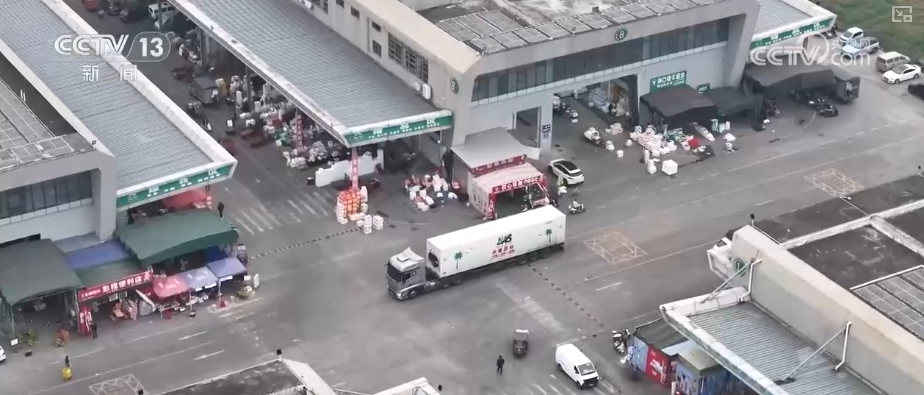
Supply and Demand Situation - As the Spring Festival approaches, the supply guarantee of vegetables in Hainan is under scrutiny, especially with an expected increase in the number of people entering the island for the first time since the Hainan Free Trade Port's closure [1] - The daily trading volume of vegetables at the Haikou Jiangnan Agricultural Products Wholesale Market exceeds 2,000 tons, with an increase in local production of vegetables such as green peppers and winter melons compared to previous years [6][13] Market Monitoring and Price Management - A "smart brain" system is operational at the wholesale market's dispatch center, monitoring vegetable price trends around the clock [8] - The market employs a "four-color warning" management system to compare local vegetable prices with those in other major regions, allowing for timely analysis and adjustments to stabilize prices during special periods [11] Emergency Preparedness and Local Supply - In response to rising demand, Hainan has arranged emergency reserves in advance and has planted over 2.1 million acres of winter melons and vegetables to increase local supply [13] - Cross-province transportation of vegetables is continuously entering the island to meet the demand [13] Fruit Market Dynamics - The fruit market in Haikou is bustling with activity as vendors prepare for the peak sales season before the Spring Festival [15] - Prices for popular fruits like durian have decreased significantly, with the price of Vietnamese Mao Shan Wang durian dropping from 38 yuan per pound to 24.8 yuan per pound, leading to high sales volumes [17] - Local fruits such as egg fruits and wax apples are also in demand, with convenient transportation and reasonable prices driving sales growth [19] Shipping and Distribution - The daily shipping volume of products like mangoes and wax apples is around 100 packages, with peak periods reaching up to 200 packages, and over 60% of sales occurring online [20]

智慧监测、价值转化,丽水探索南方丘陵地区治水新路
Zhong Guo Huan Jing Bao· 2026-01-21 08:51
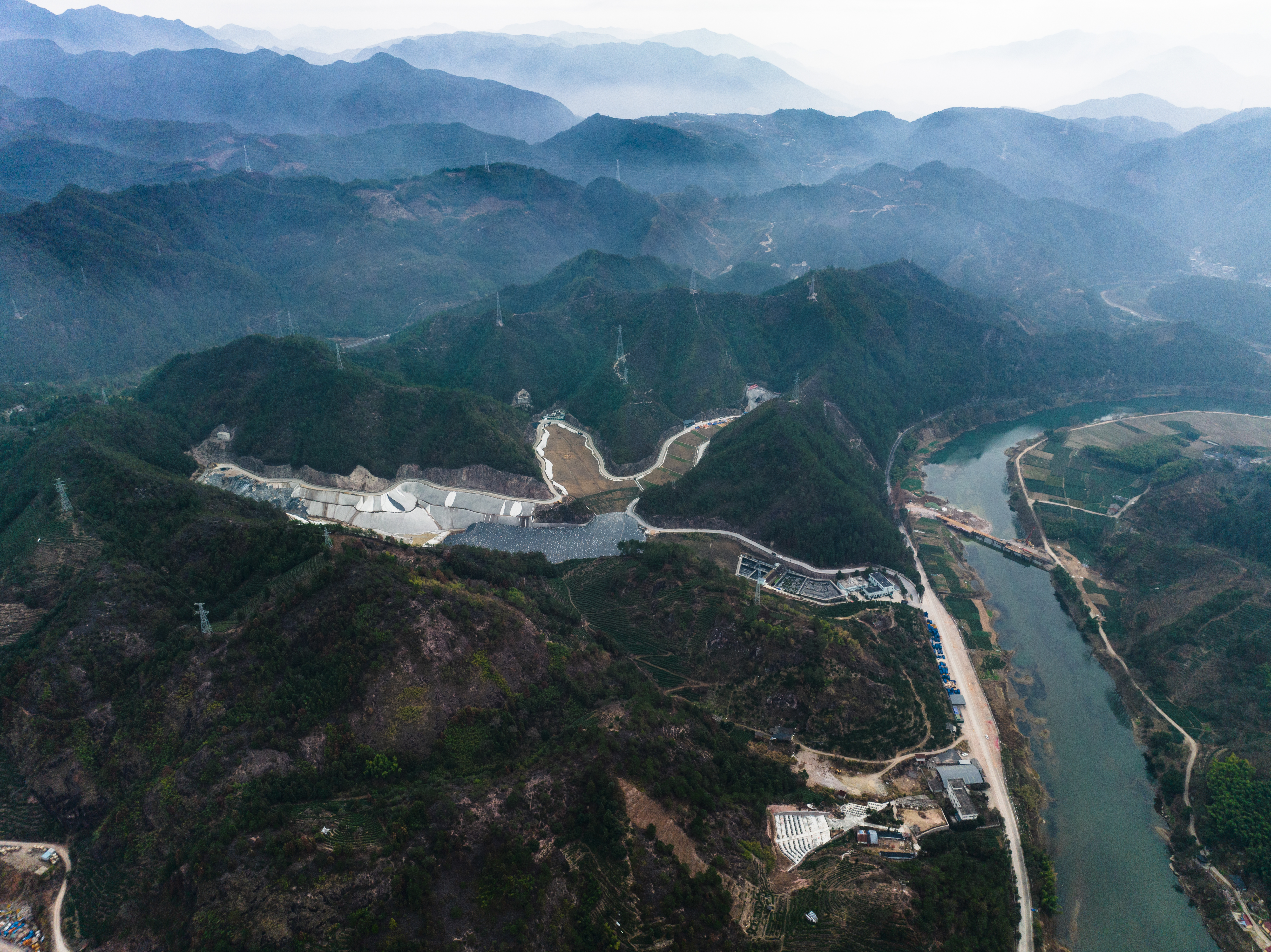
Core Viewpoint - Lishui City in Zhejiang Province has been recognized for its effective groundwater pollution prevention measures, achieving an "excellent" rating in a recent evaluation by the Ministry of Ecology and Environment, showcasing a successful transition from passive to proactive groundwater management [1][3]. Group 1: Groundwater Pollution Prevention Initiatives - Lishui became one of the first national pilot areas for groundwater pollution prevention in 2020, establishing a comprehensive governance system focused on "full-area investigation, smart monitoring, systematic prevention, and value transformation" [1][3]. - The city has implemented four pilot projects addressing various types of groundwater pollution, including the Suichang Huangtian Mine groundwater pollution control project and the Songyang landfill groundwater pollution prevention project [3][7]. Group 2: Monitoring and Data Collection - A comprehensive groundwater survey was initiated, covering 104 industrial enterprises and 10 drinking water sources, resulting in the establishment of a high-precision "groundwater environmental risk map" [8][10]. - Lishui has developed a monitoring network consisting of 38 online monitoring points and 205 manual monitoring points, enabling real-time analysis of groundwater quality and facilitating early warning systems [10][12]. Group 3: Technological Integration and Smart Management - The integration of IoT, big data, and AI into groundwater management has led to the establishment of a regulatory and resource management information system, enhancing the ability to trace pollution sources and predict trends [13][20]. - The "DMP Intelligent Protection" platform allows for real-time monitoring of groundwater parameters, ensuring rapid response to any anomalies detected [12][13]. Group 4: Economic Value and Sustainability - Lishui is exploring the inclusion of groundwater resources in the ecosystem GDP (GEP) accounting, aiming to quantify the ecological value of groundwater and promote sustainable management practices [20]. - The transformation of former pollution sites into educational and ecological resources demonstrates the potential for economic benefits derived from effective groundwater management [14][16].
智慧监测+精准治污,威海持续推进水环境治理
Qi Lu Wan Bao· 2026-01-19 11:53
Core Viewpoint - Weihai City has focused on improving water ecological environment quality, achieving a 100% compliance rate for water quality in 13 key rivers and 12 urban drinking water sources since the start of the 14th Five-Year Plan, with no water bodies rated below Class V [1][2] Group 1: Monitoring and Management - The city has enhanced monitoring and early warning capabilities by establishing 19 automatic water quality monitoring micro-stations and 61 video surveillance cameras in the Mu Zhu River and Gu River basins [1] - A comprehensive big data analysis platform has been developed to improve pollution regulation, analysis, and early warning capabilities in key river basins [1] - A total of 2,100 inspections have been conducted to monitor river conditions, identifying and addressing 808 instances of water quality exceedances [2] Group 2: Pollution Control and Engineering Measures - Customized action plans have been implemented for three national-controlled rivers, focusing on targeted pollution reduction strategies [2] - The city has secured approximately 210 million yuan in funding for water pollution prevention and has initiated eight ecological restoration projects, including the Qinglongkuan artificial wetland [2] - Continuous management of 502 river discharge outlets has been established, with both online and offline monitoring to ensure compliance [2] Group 3: Future Directions - Weihai City will continue to focus on problem-oriented approaches, addressing weaknesses to enhance the protection and construction of beautiful rivers and lakes, thereby improving water ecological environment quality [2]
内蒙古“一湖两海”生态蝶变记
Zhong Guo Xin Wen Wang· 2026-01-12 10:54
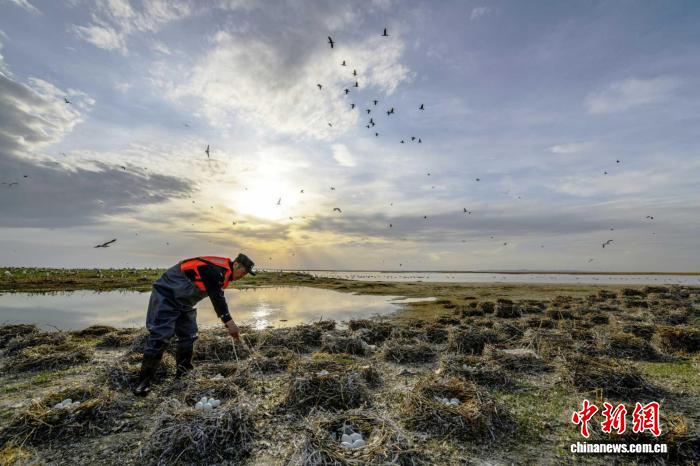
Core Viewpoint - The article highlights the ecological transformation of the "One Lake and Two Seas" region in Inner Mongolia, focusing on the efforts to protect and restore the ecosystems of Hulun Lake, Daihai, and Wuliangsu Sea, showcasing the positive impact of conservation initiatives and community involvement [1]. Group 1: Hulun Lake - Hulun Lake, the largest lake in Inner Mongolia, has seen continuous ecological improvement due to the dedication of local guardians, with over 100 ecological criminal cases investigated and more than 600 animals rescued in the past decade [2]. - The increase in bird species within the protected area indicates a successful recovery, with local police stations becoming havens for wildlife [2]. Group 2: Daihai - Daihai, known as the "Heavenly Pool of the Frontier," has expanded its bird species from 68 to 110, including the critically endangered Great Bustard, thanks to dedicated monitoring and conservation efforts [5]. - The lake area has increased by 16.7 square kilometers compared to the end of the 13th Five-Year Plan, with groundwater levels rising by 1.45 meters, attributed to ecological restoration and water management [5]. Group 3: Wuliangsu Sea - Wuliangsu Sea, referred to as the "Kidney of the Yellow River," has transformed into a wintering habitat for approximately 50,000 migratory birds, a significant increase from just a few hundred [6]. - The implementation of integrated ecological protection measures has improved water quality and increased aquatic plant diversity, supporting a stable ecosystem for various bird species [6].
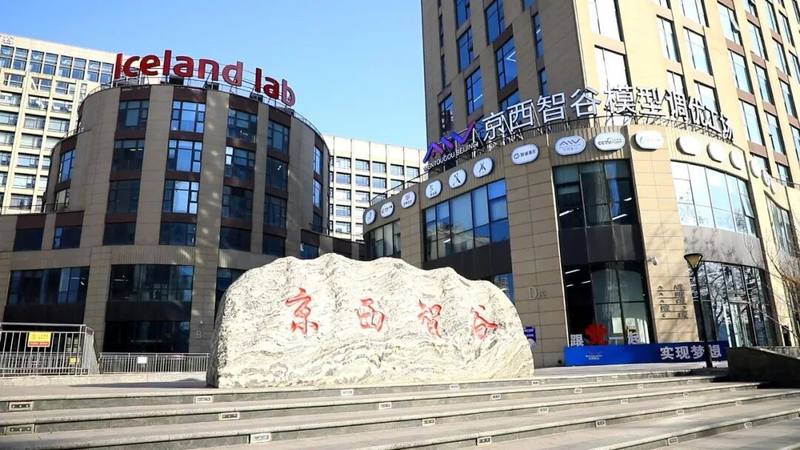
区两会丨门头沟将打造京西博物馆群落,建设4条城市画廊
Xin Jing Bao· 2026-01-08 12:21
Core Viewpoint - The focus of the Mentougou District is on developing the artificial intelligence industry and the cardiovascular innovation pharmaceutical and medical device cluster, aiming to enhance the region's influence and drive economic growth through technology and innovation [1][6][9]. Group 1: Artificial Intelligence Industry Development - By 2026, Mentougou aims to launch 200P of domestic computing power and establish intelligent computing centers for industries such as audiovisual and smart cultural tourism [1][6]. - The district plans to create a technology system supporting algorithm model research and application in key vertical fields, along with a base for promoting open-source technology [6][8]. - The upcoming Beijing Artificial Intelligence Industry Innovation Development Conference will showcase applications in various fields, including education, cultural tourism, finance, and robotics [8]. Group 2: Cardiovascular Innovation and Healthcare - Mentougou will accelerate the development of the "China Heart Valley," focusing on AI in healthcare and innovative medical devices [9]. - The district will leverage its computing power and data advantages to enhance medical big data applications and algorithm model development, aiming to reduce costs and improve efficiency in innovative pharmaceuticals and medical devices [9]. - Support will be provided for key units to develop advanced medical equipment, with a dedicated service team to facilitate project approvals and registrations [9]. Group 3: Ecological and Cultural Development - Mentougou is enhancing its ecological and cultural resources by creating urban galleries and a museum cluster to improve urban development and citizen quality of life [1][12]. - The district has a rich ecological environment, with significant forest coverage and biodiversity, and plans to implement modernized monitoring and conservation projects [10][11]. - Cultural heritage protection and activation will be prioritized, with initiatives to integrate non-material cultural heritage into community and tourism experiences [13].
湖南省生态环境监测中心|五十载风雨守望 新时代绿色征程
Zhong Guo Huan Jing Bao· 2025-10-30 01:09
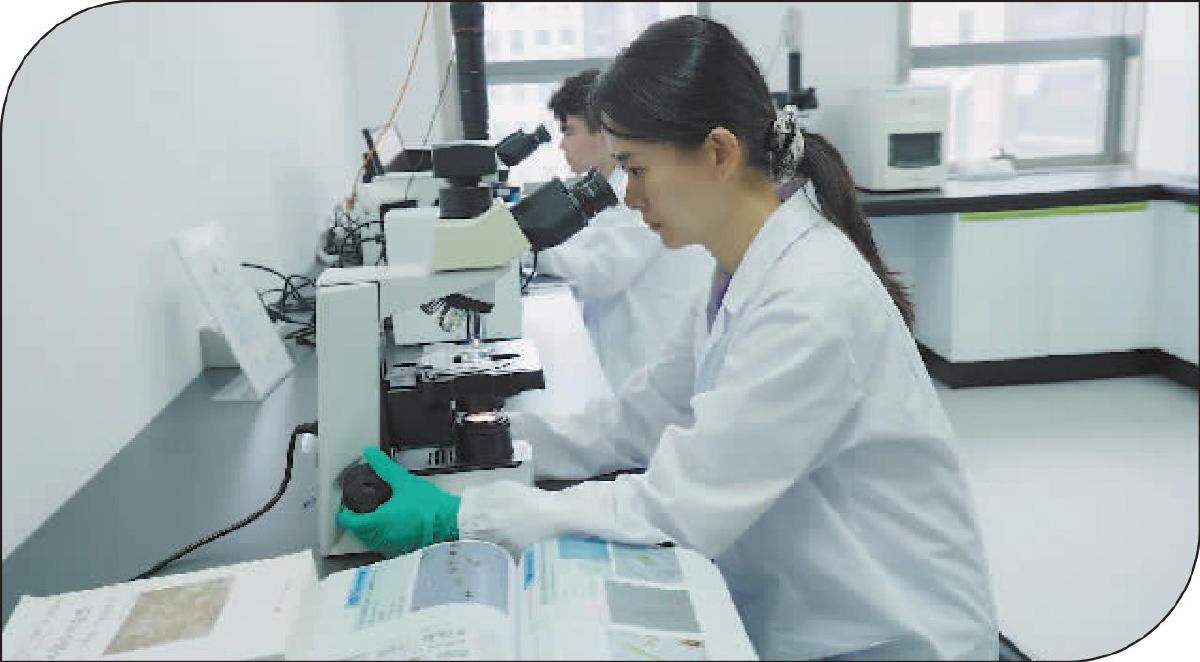
Core Insights - The Hunan Provincial Ecological Environment Monitoring Center has achieved early warning and precise positioning, advancing ecological monitoring towards digital intelligence, precision, and efficiency [2][7] Group 1: Historical Development - Established in 1975, the center has evolved from manual sampling to a smart monitoring system, marking significant progress in ecological monitoring over 50 years [2][10] - The center has built a comprehensive ecological monitoring system that integrates various elements and methods, contributing to the improvement of environmental quality in Hunan [2][3] Group 2: Environmental Challenges and Responses - Hunan, known for its rich mineral resources, faces significant environmental management challenges, particularly concerning heavy metal pollution [3] - Since 1979, the province has initiated research on pollution control, leading to significant achievements in monitoring and managing water quality, particularly in the Xiangjiang River [3][4] Group 3: Monitoring System Enhancements - The province has established a three-dimensional monitoring system covering water, air, soil, and noise, with improvements in water quality metrics from 93.6% to 97.6% for surface water [4][5] - The center has developed a network of 534 water quality monitoring points and enhanced air quality monitoring across various administrative levels [4][5] Group 4: Technological Innovations - The center has established a key laboratory for heavy metal pollution monitoring, leading to the development of real-time monitoring technologies and significant research outputs [5][6] - Innovations include the deployment of mobile monitoring systems and AI-driven detection technologies, enhancing the precision and efficiency of environmental monitoring [7][8] Group 5: Smart Monitoring Framework - The center has created a "smart monitoring" system that integrates various technologies for proactive environmental management, significantly improving response times to pollution incidents [7][9] - The establishment of decision support platforms utilizing AI and big data has enabled precise pollution forecasting and effective decision-making [8][9] Group 6: Future Directions - The center aims to further enhance its monitoring capabilities by improving data accuracy and integrating advanced digital technologies, contributing to the broader goal of building a beautiful China [10]