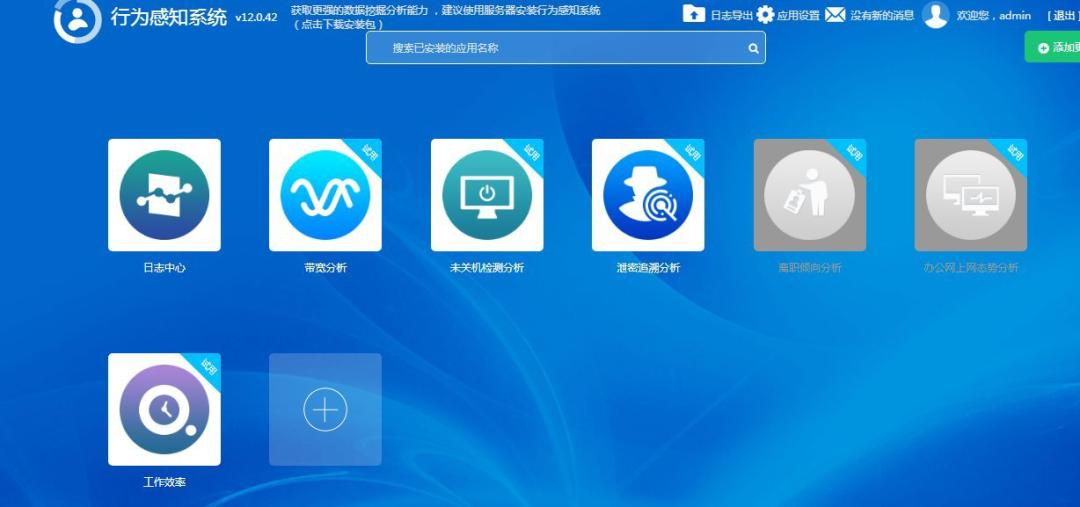
全景敞视监狱

Search documents
公司是如何监控员工的?
3 6 Ke· 2026-02-01 09:55
Core Viewpoint - The article discusses the pervasive monitoring systems used by companies to track employee behavior and intentions, raising concerns about privacy and the extent of surveillance in the workplace [3][12][24]. Group 1: Monitoring Systems - Companies utilize various monitoring systems, including DLP (Data Loss Prevention) and employee behavior management systems, to assess employee risk levels regarding potential resignations [4][8]. - Monitoring focuses on high-priority company documents, sensitive operations that could lead to data leaks, and employee online activities, with capabilities to capture screen content and interactions [4][8][10]. - The monitoring data is used for daily rule enforcement and post-incident investigations, allowing companies to respond to potential risks and breaches [6][12]. Group 2: Types of Monitoring - Monitoring methods are categorized into software and hardware, with software capable of tracking file operations, communications, and even capturing screenshots [8][10]. - Hardware monitoring includes traditional surveillance cameras equipped with machine learning for behavior analysis, as well as network management systems that can decrypt HTTPS traffic to monitor online activities [9][10]. - Companies can configure monitoring parameters based on employee roles, with stricter oversight in high-stakes industries like finance and technology [11][12]. Group 3: Purpose of Monitoring - The primary goal of employee monitoring is to protect company assets, prevent data theft, and manage potential risks associated with employee behavior [12][21]. - While improving efficiency and reducing unproductive behavior are often cited as reasons for monitoring, the underlying motivation frequently relates to safeguarding company interests [12][24]. - Companies may also use monitoring to manage public relations risks, identifying employees who may post negative comments about the company on social media [12][24]. Group 4: Employee Awareness and Response - Employees are generally aware of the monitoring but may not fully understand the extent of surveillance capabilities, leading to self-regulation in their behavior [15][17]. - Some employees may attempt to counteract monitoring through various means, such as using virtual machines or altering their online behavior to protect their privacy [20][21]. - Despite concerns, most employees do not leave their jobs due to monitoring, as similar practices are prevalent across different companies [22][24]. Group 5: Legal and Ethical Considerations - The legal framework surrounding employee monitoring is still developing, with a lack of clear guidelines on what data can be collected and how it can be used [24][25]. - Companies often justify monitoring as a necessary security measure, but ethical considerations arise when monitoring encroaches on personal privacy [19][25]. - Trust between employees and employers is crucial; without it, even the most sophisticated monitoring systems may fail to ensure security and efficiency [25].

公司是如何监控员工的
虎嗅APP· 2026-01-30 10:57
Core Viewpoint - The article discusses the pervasive nature of employee monitoring in the workplace, highlighting the technologies and methods used by companies to track employee behavior and the implications for privacy and autonomy [4][17][20]. Group 1: Monitoring Systems - Companies utilize various monitoring systems such as DLP (Data Loss Prevention) and employee behavior management systems to track employee activities [5]. - Monitoring can include tracking website visits, local file storage, and even real-time screen captures, although not all companies activate all features due to cost considerations [7][14]. - The monitoring data is used for two main purposes: daily rule enforcement and post-incident investigations [8][9]. Group 2: Types of Information Monitored - High-priority monitoring targets include company documents, sensitive operations that could lead to data leaks, and employee online behavior [7]. - Companies can monitor all screen content if appropriate software is installed, capturing website visits and interactions [7][13]. Group 3: Reasons for Monitoring - The primary goal of monitoring is to protect company assets and prevent data loss, with additional motivations including enhancing work efficiency and managing public relations risks [17]. - Monitoring can also serve as a deterrent against employee misconduct, such as data theft or inappropriate behavior on social media [17][18]. Group 4: Employee Awareness and Reactions - Employees are generally aware of the monitoring but may not fully understand the extent of it, leading to self-regulation in their behavior [20][22]. - Some employees may attempt to counteract monitoring through various means, such as using virtual machines or altering their behavior to avoid detection [25][26]. Group 5: Legal and Ethical Considerations - The legal framework surrounding employee monitoring is still developing, with many companies operating in a gray area regarding what data can be collected and how it can be used [28]. - There are concerns about the potential for overreach in monitoring practices, particularly when it comes to personal devices and private information [24][28].
公司是如何监控员工的
3 6 Ke· 2026-01-28 09:13
Core Viewpoint - The article discusses the pervasive monitoring systems in workplaces, highlighting how companies track employee behavior and intentions, particularly regarding potential resignations and data security [1][15][26]. Group 1: Monitoring Systems - Companies utilize various monitoring systems, including DLP (Data Loss Prevention) and employee behavior management systems, to assess employee risk levels regarding resignation [2][5]. - Monitoring focuses on high-priority data such as company files, sensitive operations, and employee screen activities, although not all features are activated due to cost considerations [2][10]. - Monitoring data is used for daily rule enforcement and post-incident investigations, allowing companies to respond to potential data breaches or employee misconduct [5][6]. Group 2: Types of Monitoring - Monitoring methods can be categorized into software and hardware, with software capable of tracking file operations, screen activities, and even communications through third-party applications [10][11]. - Hardware monitoring includes network management gateways and surveillance cameras equipped with machine learning for employee behavior analysis [12][14]. - Companies can configure monitoring systems to track specific information based on employee roles, with stricter measures in high-risk industries like finance and technology [14][15]. Group 3: Purpose of Monitoring - The primary goal of monitoring is to protect company assets, prevent data theft, and manage employee efficiency, with some companies also using it for public relations risk management [15][27]. - Monitoring can deter employees from misconduct by increasing the cost of data theft, such as implementing invisible watermarks on sensitive documents [16][27]. - While monitoring is often justified as a means to enhance productivity, it can also lead to over-surveillance, which may not be necessary if employees meet performance expectations [27]. Group 4: Employee Awareness and Reactions - Employees are generally aware of monitoring but may not fully understand its extent, leading to self-regulation in their behavior [18][21]. - Some employees may engage in counter-monitoring tactics, such as using virtual machines or altering their behavior to avoid detection [24][25]. - The article emphasizes the importance of maintaining a separation between personal and work-related activities to protect privacy while using company resources [25]. Group 5: Legal and Ethical Considerations - The legal framework surrounding employee monitoring is still developing, with a lack of clear guidelines on what data can be collected and how it can be used [26][27]. - Ethical concerns arise when monitoring extends into personal devices or private information, which can lead to legal disputes [23][26]. - Trust between employers and employees is crucial for effective monitoring; without it, even the most advanced systems may fail to ensure security and efficiency [29].