员工监控

Search documents
公司是如何监控员工的?
3 6 Ke· 2026-02-01 09:55
Core Viewpoint - The article discusses the pervasive monitoring systems used by companies to track employee behavior and intentions, raising concerns about privacy and the extent of surveillance in the workplace [3][12][24]. Group 1: Monitoring Systems - Companies utilize various monitoring systems, including DLP (Data Loss Prevention) and employee behavior management systems, to assess employee risk levels regarding potential resignations [4][8]. - Monitoring focuses on high-priority company documents, sensitive operations that could lead to data leaks, and employee online activities, with capabilities to capture screen content and interactions [4][8][10]. - The monitoring data is used for daily rule enforcement and post-incident investigations, allowing companies to respond to potential risks and breaches [6][12]. Group 2: Types of Monitoring - Monitoring methods are categorized into software and hardware, with software capable of tracking file operations, communications, and even capturing screenshots [8][10]. - Hardware monitoring includes traditional surveillance cameras equipped with machine learning for behavior analysis, as well as network management systems that can decrypt HTTPS traffic to monitor online activities [9][10]. - Companies can configure monitoring parameters based on employee roles, with stricter oversight in high-stakes industries like finance and technology [11][12]. Group 3: Purpose of Monitoring - The primary goal of employee monitoring is to protect company assets, prevent data theft, and manage potential risks associated with employee behavior [12][21]. - While improving efficiency and reducing unproductive behavior are often cited as reasons for monitoring, the underlying motivation frequently relates to safeguarding company interests [12][24]. - Companies may also use monitoring to manage public relations risks, identifying employees who may post negative comments about the company on social media [12][24]. Group 4: Employee Awareness and Response - Employees are generally aware of the monitoring but may not fully understand the extent of surveillance capabilities, leading to self-regulation in their behavior [15][17]. - Some employees may attempt to counteract monitoring through various means, such as using virtual machines or altering their online behavior to protect their privacy [20][21]. - Despite concerns, most employees do not leave their jobs due to monitoring, as similar practices are prevalent across different companies [22][24]. Group 5: Legal and Ethical Considerations - The legal framework surrounding employee monitoring is still developing, with a lack of clear guidelines on what data can be collected and how it can be used [24][25]. - Companies often justify monitoring as a necessary security measure, but ethical considerations arise when monitoring encroaches on personal privacy [19][25]. - Trust between employees and employers is crucial; without it, even the most sophisticated monitoring systems may fail to ensure security and efficiency [25].

公司是如何监控员工的?
36氪· 2026-02-01 09:42
Core Viewpoint - The article discusses the pervasive monitoring systems in workplaces, highlighting how companies utilize technology to track employee behavior and intentions, often without clear communication about the extent of surveillance [4][6]. Group 1: Monitoring Systems - Companies employ various monitoring systems such as DLP (Data Loss Prevention) and employee behavior monitoring systems to assess employee intentions regarding leaving the company [8]. - Monitoring focuses on high-priority company documents, sensitive operations that may lead to data leaks, and can include tracking all screen content if specific software is installed [9]. - Monitoring data is used for daily rule enforcement and post-incident investigations, allowing companies to respond to potential risks or breaches [10][11]. Group 2: Types of Information Monitored - The primary information monitored includes company files, sensitive operations, and employee online behavior, with the capability to capture detailed actions on computers [9][20]. - Mobile monitoring is less common due to technical limitations, but companies can still capture some data through Wi-Fi traffic [12][14]. Group 3: Purpose of Monitoring - The fundamental purpose of monitoring is to protect company assets, prevent data loss, and manage potential risks associated with employee behavior [22]. - Monitoring is also justified as a means to enhance work efficiency and mitigate public relations risks, such as employees making negative comments about the company on social media [22]. Group 4: Employee Awareness and Response - Employees are generally aware of the monitoring but may not know the full extent of it, leading to self-regulation in their behavior [25][28]. - Some employees may attempt to counteract monitoring through technical means, such as using virtual machines or altering their behavior to avoid detection [34][35]. Group 5: Legal and Ethical Considerations - The legal framework surrounding workplace monitoring is still developing, with many companies operating in a gray area regarding what data can be collected and how it can be used [37]. - The article emphasizes the need for a balance between monitoring for security and respecting employee privacy, suggesting that trust is essential for effective workplace dynamics [38].
公司是如何监控员工的
虎嗅APP· 2026-01-30 10:57
Core Viewpoint - The article discusses the pervasive nature of employee monitoring in the workplace, highlighting the technologies and methods used by companies to track employee behavior and the implications for privacy and autonomy [4][17][20]. Group 1: Monitoring Systems - Companies utilize various monitoring systems such as DLP (Data Loss Prevention) and employee behavior management systems to track employee activities [5]. - Monitoring can include tracking website visits, local file storage, and even real-time screen captures, although not all companies activate all features due to cost considerations [7][14]. - The monitoring data is used for two main purposes: daily rule enforcement and post-incident investigations [8][9]. Group 2: Types of Information Monitored - High-priority monitoring targets include company documents, sensitive operations that could lead to data leaks, and employee online behavior [7]. - Companies can monitor all screen content if appropriate software is installed, capturing website visits and interactions [7][13]. Group 3: Reasons for Monitoring - The primary goal of monitoring is to protect company assets and prevent data loss, with additional motivations including enhancing work efficiency and managing public relations risks [17]. - Monitoring can also serve as a deterrent against employee misconduct, such as data theft or inappropriate behavior on social media [17][18]. Group 4: Employee Awareness and Reactions - Employees are generally aware of the monitoring but may not fully understand the extent of it, leading to self-regulation in their behavior [20][22]. - Some employees may attempt to counteract monitoring through various means, such as using virtual machines or altering their behavior to avoid detection [25][26]. Group 5: Legal and Ethical Considerations - The legal framework surrounding employee monitoring is still developing, with many companies operating in a gray area regarding what data can be collected and how it can be used [28]. - There are concerns about the potential for overreach in monitoring practices, particularly when it comes to personal devices and private information [24][28].
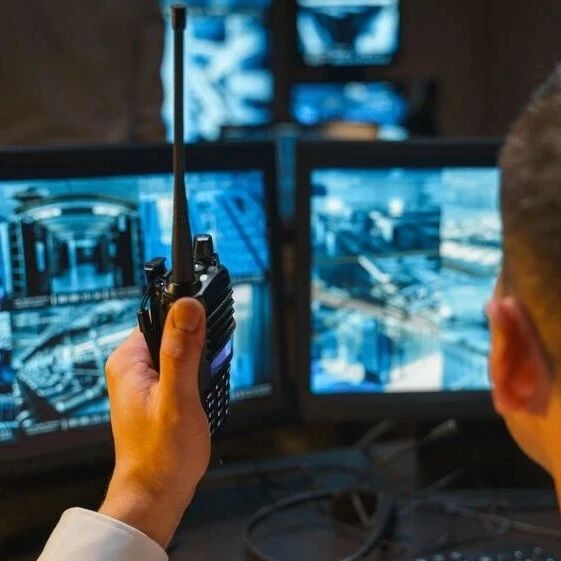
公司是如何监控员工的
3 6 Ke· 2026-01-28 09:13
Core Viewpoint - The article discusses the pervasive monitoring systems in workplaces, highlighting how companies track employee behavior and intentions, particularly regarding potential resignations and data security [1][15][26]. Group 1: Monitoring Systems - Companies utilize various monitoring systems, including DLP (Data Loss Prevention) and employee behavior management systems, to assess employee risk levels regarding resignation [2][5]. - Monitoring focuses on high-priority data such as company files, sensitive operations, and employee screen activities, although not all features are activated due to cost considerations [2][10]. - Monitoring data is used for daily rule enforcement and post-incident investigations, allowing companies to respond to potential data breaches or employee misconduct [5][6]. Group 2: Types of Monitoring - Monitoring methods can be categorized into software and hardware, with software capable of tracking file operations, screen activities, and even communications through third-party applications [10][11]. - Hardware monitoring includes network management gateways and surveillance cameras equipped with machine learning for employee behavior analysis [12][14]. - Companies can configure monitoring systems to track specific information based on employee roles, with stricter measures in high-risk industries like finance and technology [14][15]. Group 3: Purpose of Monitoring - The primary goal of monitoring is to protect company assets, prevent data theft, and manage employee efficiency, with some companies also using it for public relations risk management [15][27]. - Monitoring can deter employees from misconduct by increasing the cost of data theft, such as implementing invisible watermarks on sensitive documents [16][27]. - While monitoring is often justified as a means to enhance productivity, it can also lead to over-surveillance, which may not be necessary if employees meet performance expectations [27]. Group 4: Employee Awareness and Reactions - Employees are generally aware of monitoring but may not fully understand its extent, leading to self-regulation in their behavior [18][21]. - Some employees may engage in counter-monitoring tactics, such as using virtual machines or altering their behavior to avoid detection [24][25]. - The article emphasizes the importance of maintaining a separation between personal and work-related activities to protect privacy while using company resources [25]. Group 5: Legal and Ethical Considerations - The legal framework surrounding employee monitoring is still developing, with a lack of clear guidelines on what data can be collected and how it can be used [26][27]. - Ethical concerns arise when monitoring extends into personal devices or private information, which can lead to legal disputes [23][26]. - Trust between employers and employees is crucial for effective monitoring; without it, even the most advanced systems may fail to ensure security and efficiency [29].
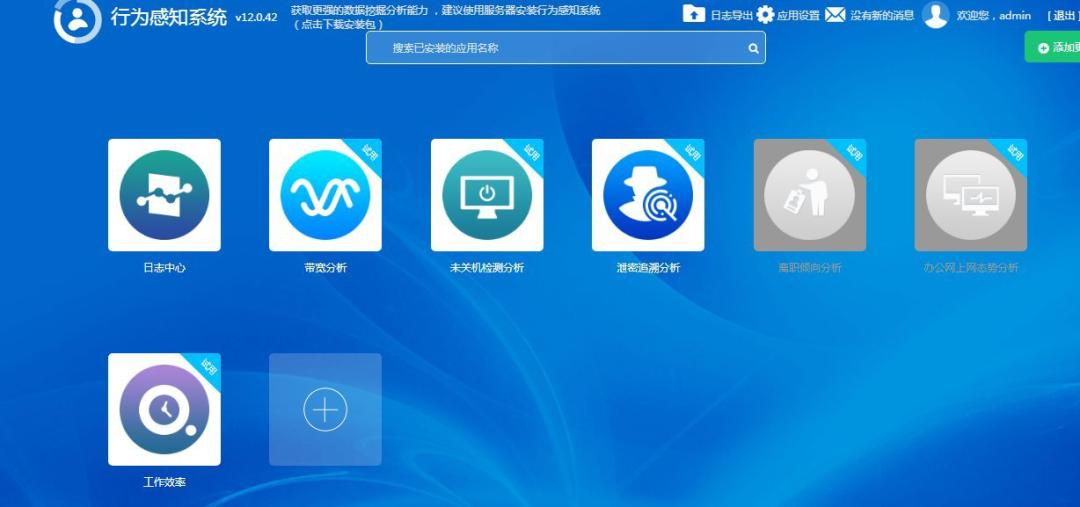
监视员工的电脑软件被公开叫卖!记者实测:微信聊天就像在“裸奔” 杀毒软件却“失明”
Mei Ri Jing Ji Xin Wen· 2025-12-25 00:44
Core Viewpoint - A monitoring software, marketed as an "invisible" tool for employee surveillance, is being sold openly for under 300 yuan per unit, allowing companies to monitor employee activities without their knowledge [2][21]. Group 1: Software Features and Functionality - The software can monitor various applications, including WeChat and QQ, without any visible notifications to the employee [2][16]. - Installation of the software is quick, taking only 23 seconds, and it does not display any privacy agreements or installation options [4][11]. - The software can be configured to hide its presence on the employee's computer, making it undetectable by standard antivirus programs [4][18]. Group 2: Company Background and Sales Practices - The software is marketed by Hebei Angu Cloud Software Co., which is a distributor for Shandong Guxin Software Co., the actual developer of the software [4][5]. - Angu claims to have a wide customer base, including several large enterprises across various sectors such as finance and healthcare [24]. Group 3: Legal and Ethical Considerations - The installation of such monitoring software without employee consent raises significant legal and ethical concerns regarding privacy rights and potential violations of communication freedoms [44][45]. - Legal experts emphasize that companies must inform employees about monitoring practices and obtain their consent to avoid infringing on privacy rights [44][50].
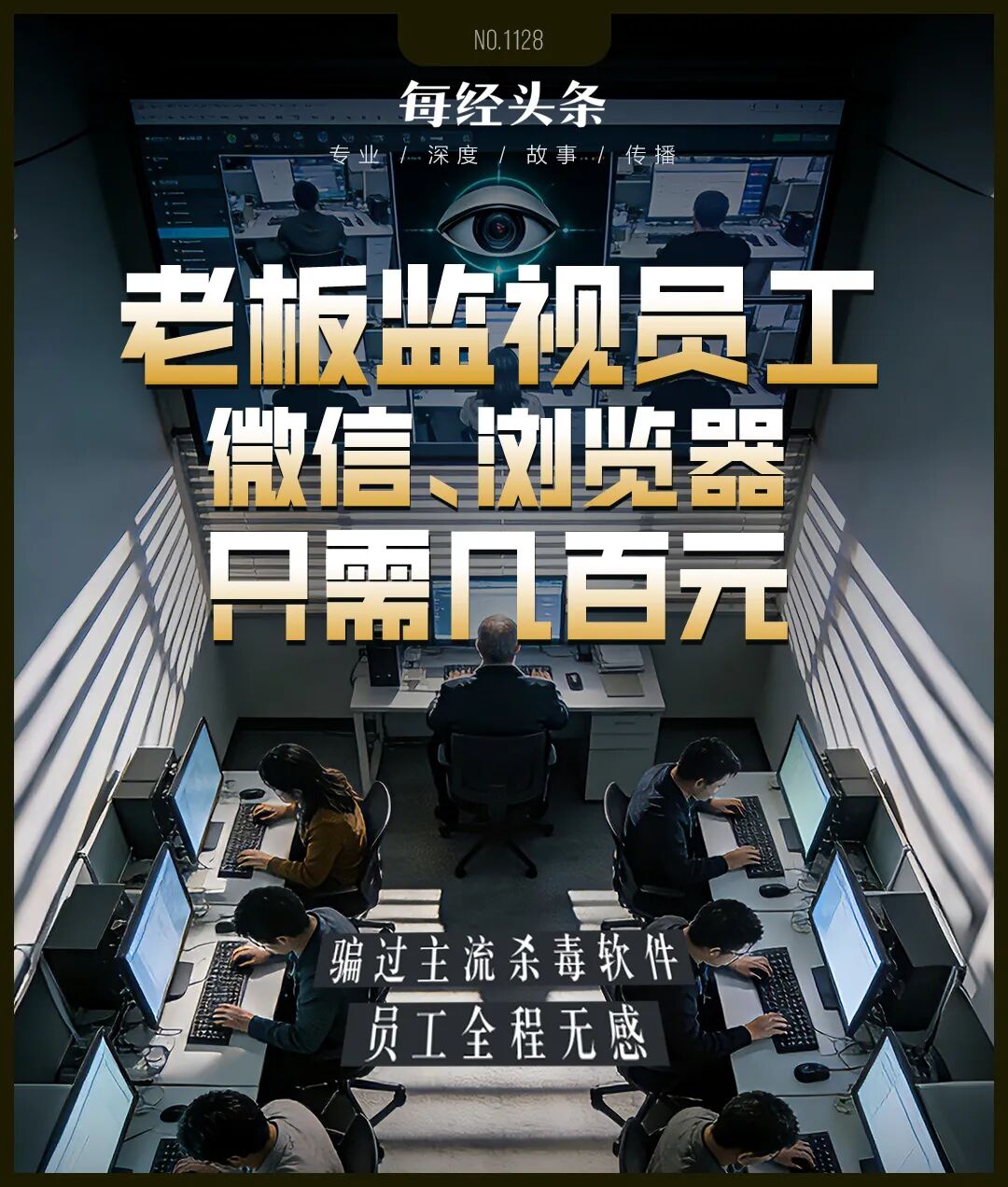
老板监视员工微信只需300元
Mei Ri Jing Ji Xin Wen· 2025-12-24 12:41
Core Viewpoint - A monitoring software designed for corporate users is being sold publicly, allowing employers to monitor employees' computers and laptops without their awareness, with a single unit price of less than 300 yuan [1] Group 1: Software Functionality - The software enables employers to monitor various applications including WeChat, QQ, and web browsers, as well as access files and data on the hard drive without alerting the monitored user [1] - Five mainstream antivirus software programs did not trigger any alerts during testing, indicating the stealthy nature of the monitoring software [1] Group 2: Cost and Pricing - The source manufacturer offers the software at a price of 498 yuan per unit for a lifetime license, with a maintenance fee of 15% of the contract price starting from the second year for updates [1] - Discounts are available for bulk purchases, reducing the unit price by nearly 200 yuan when ordering between 20 to 50 units [1]
曝马斯克 xAI 强制员工装监控软件,连鼠标没动都知道?有人当场辞职:“无法接受!”
Sou Hu Cai Jing· 2025-07-15 00:40
Core Viewpoint - xAI, an AI startup founded by Elon Musk, has faced backlash after requiring employees to install mandatory monitoring software, Hubstaff, on their personal computers, leading to concerns over privacy and employee dissatisfaction [1][6]. Group 1: Company Policy and Employee Reaction - xAI's HR team mandated that employees training the Grok chatbot install Hubstaff on their personal devices by July 11, emphasizing that this installation was compulsory [3][4]. - The monitoring software can track various activities, including screen usage, mouse movements, and keyboard inputs, effectively exposing employees' work screens to company oversight [4][5]. - Employees expressed significant concern over privacy issues, with some labeling the monitoring as "productivity disguised as surveillance" and others resigning due to discomfort with the policy [7][8]. Group 2: Company Response and Adjustments - In response to employee backlash, xAI offered two options: a $50 monthly tech stipend to purchase a new work computer or the creation of a separate account on personal devices to isolate work activities [8][9]. - Following media scrutiny and internal dissent, xAI adjusted its policy, allowing employees to wait for company-issued devices before installing Hubstaff, but did not clarify the status of those who had already complied [9]. Group 3: Broader Industry Context - xAI is not the first company to face controversy over Hubstaff; similar issues arose at Scale AI, where employees claimed the software was used to monitor their work on personal devices [10]. - Legal experts note that the legality of such monitoring practices varies and depends on factors like business necessity and employee notification, highlighting the need for a balance between oversight and privacy [10]. Group 4: Ongoing Developments - Despite internal turmoil and external criticism regarding Grok's content issues, Elon Musk continues to promote the chatbot's integration into Tesla's systems, indicating a focus on commercial progress despite employee dissatisfaction [11][12].