全渠道运营力

Search documents
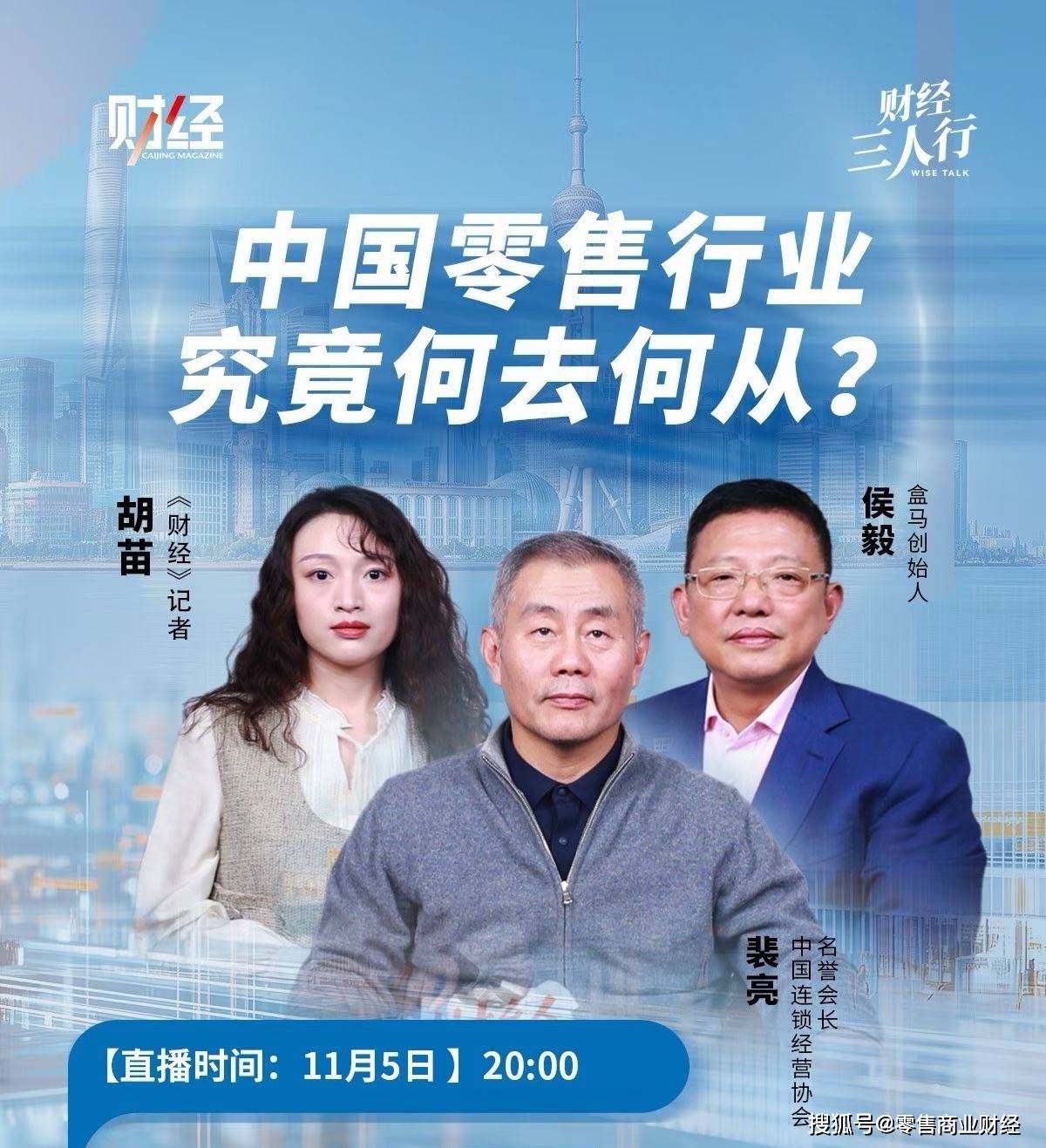
侯毅与裴亮深度对话:破解中国零售困局 商品力与全渠道成破局核心
Sou Hu Cai Jing· 2025-11-08 03:37
Core Insights - The discussion between Hou Yi and Pei Liang focused on the transformation challenges and future development paths of the retail industry, emphasizing the importance of supply chain efficiency and changing consumer demands [2] Group 1: "胖改" (Fat Reform) - "胖改" has emerged as a key topic, revitalizing traditional retail companies like Bubu Gao, which faced significant stock price declines [3] - The reform encourages companies to abandon channel fees, enhance self-sourcing and sales, and return to the essence of retail, while also promoting employee care and a vibrant in-store atmosphere [3] - However, "胖改" is not seen as a panacea; it has limitations such as a lack of product innovation, excessive focus on experience over efficiency, and regional market constraints [4] Group 2: Discount Transformation - The concept of discount transformation is framed as an advanced operational method rather than a mere business model, focusing on optimizing supply chain and operational costs [5] - Key elements of discount transformation include comprehensive cost optimization, strict control of operational costs, and a product structure that balances low prices with upgraded consumer offerings [5] - The development of private labels is identified as crucial for overcoming competitive challenges in the discount sector, with examples from successful private label strategies in other markets [5] Group 3: Industry Shortcomings - The Chinese retail industry is noted to lag in product systems, customer insights, and global competitiveness despite leading in internet technology and logistics [7] - The evolution of the retail sector is categorized into three phases, with the current trend moving towards integrated retail formats that leverage both online and offline channels [7] - Future competition will hinge on product strength and comprehensive channel management, necessitating a complete operational system around products and brands [7] Group 4: Market Level Insights - Predictions indicate that first-tier cities will favor self-brand retailers, while mid-tier cities will replicate first-tier retail models, and lower-tier cities will maintain the importance of offline channels [8] - Regardless of market tier, the ultimate solution for retail remains in enhancing product quality [8] Group 5: Transformation Strategies - Innovation is deemed easier than reform, as it does not disrupt existing interests, while reform involves complex stakeholder dynamics [9] - Companies are advised to adopt a "point-to-surface" approach in transformation, starting with manageable improvements to regain consumer and employee confidence [9] - Small retailers can succeed by aligning their brand positioning with target consumer groups, leveraging quality service and in-store experiences to build trust [9]