全球产业链枢纽

Search documents
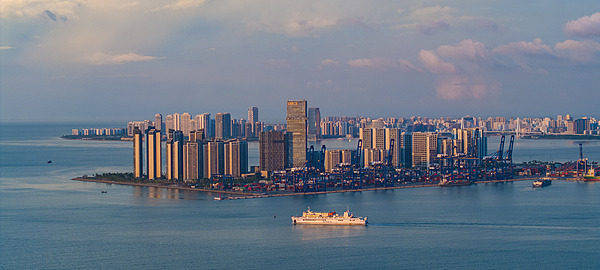
海南封关,意义重大,远超你的想象
Sou Hu Cai Jing· 2025-12-20 03:12
Core Viewpoint - The official launch of the Hainan Free Trade Port marks a significant step towards creating a customs-regulated special zone, aiming to enhance global trade and supply chain efficiency while fostering innovation and attracting investment [1][6][21]. Group 1: Customs and Trade Regulations - Hainan's "closure" refers to establishing a customs-regulated area, allowing unprecedented freedom in the flow of goods, with most imported items subject to zero tariffs [6][10]. - The "first line" of customs will facilitate free trade with the outside world, while the "second line" will regulate the flow of goods between Hainan and mainland China to prevent market disruption [7][8]. - The number of zero-tariff items will expand from over 1,900 to more than 6,600, increasing the proportion of zero-tariff items from 21% to 74% [14]. Group 2: Economic and Industrial Implications - Hainan aims to position itself as a global innovation hub rather than replicating Shenzhen's manufacturing-driven growth model, focusing on high-tech and advanced manufacturing from the outset [13][21]. - The new policies will optimize processing and value-added tax exemptions, encouraging enterprises to invest in technology and innovation [15][18]. - Hainan's geographical advantages and infrastructure development are expected to mitigate previous logistical challenges, enhancing its manufacturing capabilities [23]. Group 3: Talent and Investment Attraction - Hainan offers a reduced corporate income tax rate of 15% for qualifying industries and exemptions on personal income tax for high-end talent, making it attractive for skilled professionals [20]. - Over 170 countries and regions have already invested in Hainan, indicating strong international interest and confidence in the region's potential [20]. - The local population structure and market depth provide a solid foundation for economic growth, surpassing the initial conditions of Shenzhen [21].