
全球创新策源地

Search documents
中英经贸合作新范本:阿斯利康千亿投资引领跨国药企在华发展步伐
21世纪经济报道· 2026-01-31 13:19
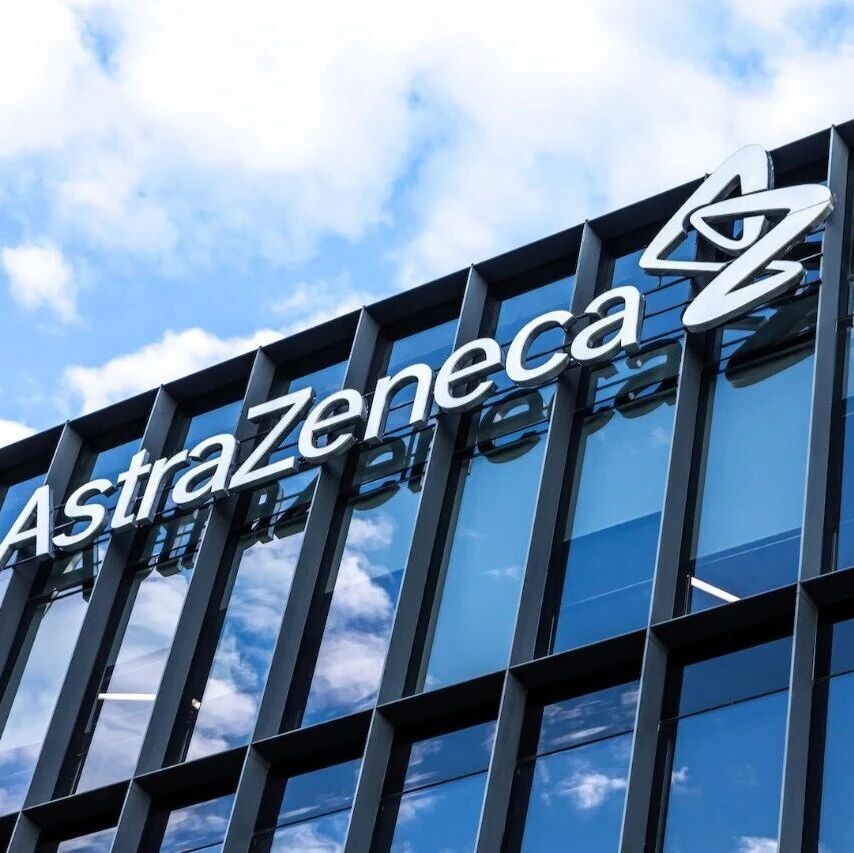
Core Viewpoint - AstraZeneca announced a plan to invest over 100 billion RMB (approximately 15 billion USD) in China by 2030, marking its largest strategic investment in the country since entering the market in 1993. This investment aims to enhance its drug production and R&D capabilities, reflecting a shift in China's role from an "important market" to a "global innovation hub" [1][2]. Group 1: Investment and Strategic Goals - The investment will cover the entire value chain from drug discovery to clinical development and manufacturing, significantly enhancing AstraZeneca's capabilities in cell therapy and antibody-drug conjugates [5][6]. - AstraZeneca's investment is expected to deepen its R&D presence in China, with major strategic R&D centers in Beijing and Shanghai collaborating with over 500 clinical hospitals [5][6]. - The company aims to leverage partnerships with leading biotech firms in China to promote local innovations globally, with a focus on breakthrough therapies [6][9]. Group 2: Market Dynamics and Trends - China's pharmaceutical market is undergoing structural changes, with a record number of innovative drugs approved for market entry, indicating a trend towards diversified innovative therapies [2][9]. - Approximately one-third of global licensing transactions are related to Chinese biopharmaceutical companies, with clinical trials in cutting-edge fields like cell therapy and ADCs accounting for over 30% of global totals [2][9]. - The collaboration between AstraZeneca and Chinese firms, such as the recent deal with CSPC Pharmaceutical Group worth up to 18.5 billion USD (approximately 128.5 billion RMB), exemplifies the growing trend of win-win partnerships in the industry [2][6]. Group 3: Policy and Regulatory Environment - Recent reforms in China's drug approval system have allowed for synchronized global R&D pipelines, significantly reducing the time for new drugs to enter the Chinese market [9][15]. - The Chinese government is actively promoting foreign investment in the healthcare sector, creating a more stable and predictable environment for multinational pharmaceutical companies [15][16]. - AstraZeneca's investment aligns with China's "Healthy China 2030" initiative, focusing on improving disease prevention and access to innovative drugs for underserved populations [15][16]. Group 4: Innovation and Talent Development - AstraZeneca's investment strategy includes a strong emphasis on talent development, with plans to expand its workforce in China to over 20,000 employees and establish programs to cultivate future scientific leaders [12][13]. - The company has already invested in over 31 Chinese innovative enterprises, facilitating numerous global licensing agreements, which highlights the "foreign enterprise + local innovation" model as a new paradigm for foreign pharmaceutical companies in China [12][13]. - The implementation of advanced manufacturing technologies at AstraZeneca's facilities, such as the Wuxi base, has led to significant improvements in production efficiency and energy consumption [12][13].


深圳一港口罕见画面曝光!3300个出海集装箱,全是抢手国货!老船长:优势太明显
Nan Fang Du Shi Bao· 2026-01-28 00:47
Group 1: Overview of Spring Festival Migration - The annual Spring Festival migration, described as "the largest cyclical personnel migration in the world," will commence in less than 20 days and last for 40 days, reflecting the deep emotional connection of countless Chinese people to returning home for the New Year [1] Group 2: Shenzhen's Role as a Global Hub - Shenzhen's Saltian Port serves as a critical point for global trade, acting as a bridge between China and the world, and is recognized as APEC's "Third City" in China [2][4] - The port's operational efficiency is highlighted, with Saltian International's ability to handle large container ships efficiently, showcasing its status as a global hub [5][6] Group 3: Advancements in Chinese Manufacturing - The cargo on the "COSCO SHIPPING SPAIN" reflects a shift in Chinese manufacturing from OEM (Original Equipment Manufacturer) products to innovative products like lithium batteries and electric vehicles, indicating a transformation in China's export landscape [7][8][9] - Data shows that Shenzhen's exports of vacuum cleaners reached 11.12 billion yuan in the first 11 months of 2025, demonstrating the city's evolution from a manufacturing hub to a global innovation center [9] Group 4: Technological Integration in Maritime Operations - The integration of advanced technology, such as 5G networks on ships, enhances communication for crew members, reflecting the modernization of maritime operations [10][11] - The ship's engine room is equipped with essential tools, allowing crew members to perform repairs, showcasing a blend of self-reliance and advanced port operations [11] Group 5: Future Prospects for APEC - The departure of the "COSCO SHIPPING SPAIN" with 3,300 containers of "Chinese intelligence" symbolizes Shenzhen's dynamic energy and its role as a key player in the global supply chain [12]
