全球化红利再分配

Search documents
后悔药难买!中国关税低于印度,苹果100亿投资套牢印度!
Sou Hu Cai Jing· 2025-11-20 23:24
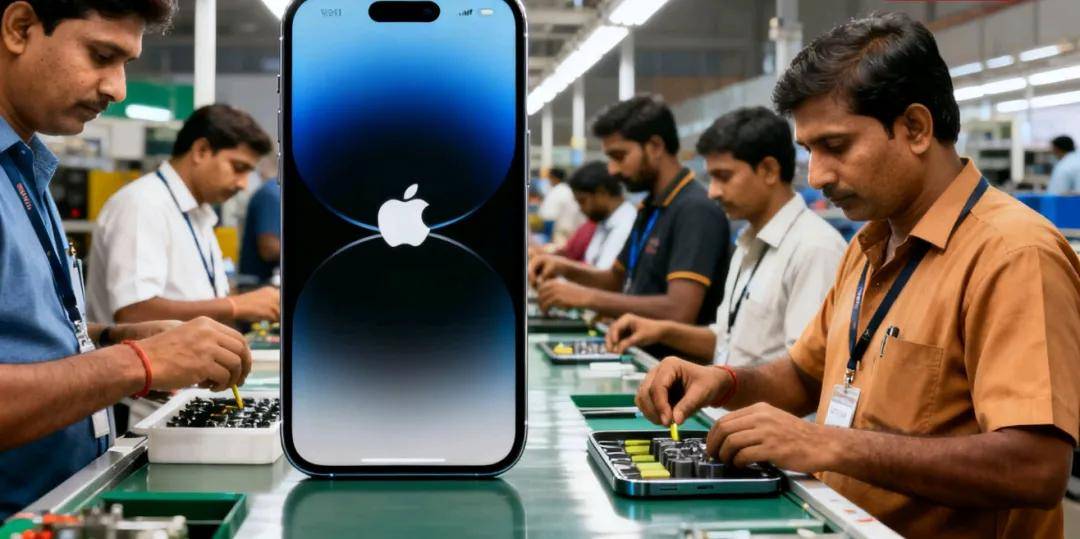
Group 1: Tariff Policy Changes - The average tariff on U.S. imports from India surged from 10% to 17.3% in 2025, while tariffs on electronic products from China decreased from 25% to 15% due to a temporary trade agreement [1][3] - This policy reversal has disrupted Apple's supply chain strategy, leading to increased export costs for iPhones produced in India [3] Group 2: Cost and Efficiency Challenges in India - Apple faces a 2.3 percentage point price difference due to the higher 17.3% tariff on Indian iPhones compared to the 15% tariff on Chinese counterparts [3] - 80% of camera modules and 60% of OLED panels for Indian factories are imported from China, increasing overall costs by 5-10% [4] - Production efficiency in India is significantly lower, with output per worker at only 50% of that in China and an automation rate of less than 30% [4] Group 3: Policy Risks and Geopolitical Dynamics - India's tax pressure on Apple reflects a broader strategy of redistributing globalization benefits, utilizing legal tools to claim a portion of Apple's global profits [5] - The fiscal crisis in India, with a deficit rate of 7.3% and a 12% depreciation of the rupee, has led to increased taxation on multinational companies as a quick fix for revenue [5] Group 4: Strategic Dilemmas for Apple - Apple has invested over $5 billion in India, creating five factories and employing 150,000 workers, making immediate withdrawal costly [6] - The Indian smartphone market is rapidly growing, with Apple's market share reaching 8% in 2025, presenting a dilemma between maintaining investment and facing increased costs [6] Group 5: China's Competitive Advantages - China's vertical integration allows for production line changes within 72 hours, compared to 2-3 weeks in India, highlighting a significant operational advantage [8] - China has a larger pool of electronic engineers, with 60% of the global total, compared to India's 15%, enhancing its manufacturing capabilities [8] - Policy stability in China, through mechanisms like the "chain long system," ensures a reliable supply of raw materials, contrasting with India's delayed subsidy disbursements [8] Group 6: Insights on Global Supply Chains - Apple's challenges in India illustrate the complexities of supply chain restructuring driven by geopolitical factors, emphasizing the importance of policy stability and mature industrial ecosystems [9] - The case reinforces the strategic value of a complete industrial chain, suggesting that even with tariff pressures, a mature manufacturing ecosystem can offset cost disadvantages [9]