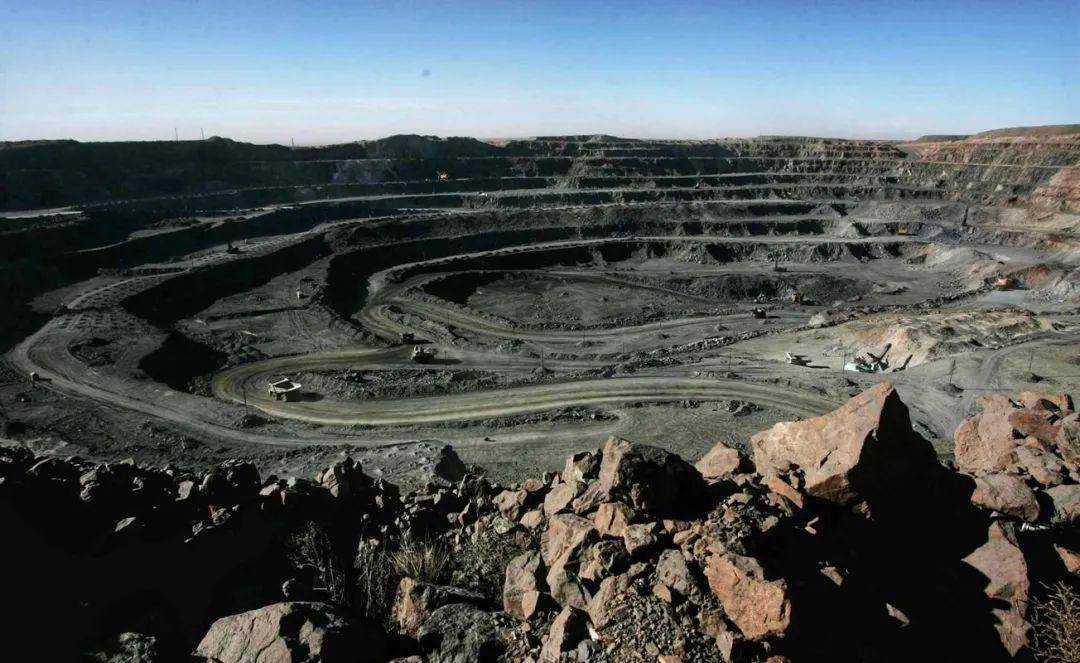
全球稀土供应链博弈

Search documents
不想被卡脖子,美国还在顽抗,拉拢8国建稀土同盟,抱团对抗中国
Sou Hu Cai Jing· 2025-12-13 17:40
该联盟核心目标是减少对中国稀土的依赖,通过共享技术、资金和资源,构建独立于中国的稀土供应链。协议内容涵盖稀土开采、精炼和磁材制造全环节, 并设立50亿美元的"全球稀土勘探基金",用于在澳大利亚、加拿大等地加速矿产勘探。 2025年12月,美国特朗普政府成功拉拢日本、韩国、澳大利亚等八个国家,正式签署"稀土供应链同盟"协议,试图打破中国在稀土领域的主导地位。中国外 交部发言人郭嘉昆在次日回应中称此举是"割裂全球市场",并强调中国稀土管控措施透明合理,只为防止军事用途。 这场博弈背后,是稀土这种"工业维生素"牵动的全球科技战和资源争夺战,中国凭借占全球90%的稀土精炼产能和80%的中重稀土储量,牢牢掌控着产业链 命脉,而美国则加速推进"去中国化"供应链布局,但面临技术、成本和时间三重高墙。 2025年12月11日,美国总统特朗普在白宫主持签署仪式,宣布与日本、韩国、澳大利亚、新加坡、以色列等八国正式成立"关键矿产供应链联盟"。 2025年4月,中国首次对稀土物项实施出口管制;10月9日,商务部升级管制范围,新增钬、铒、铥等5种中重稀土的出口限制,使受控稀土种类达12种。 新规首次将管控延伸至境外:只要产品中中国技 ...

四国联手在华盛顿搞稀土,中国反手放大招,事情果然不简单
Sou Hu Cai Jing· 2025-07-07 09:27
Group 1 - The "Quad Critical Minerals Initiative" was launched by the foreign ministers of the US, Japan, India, and Australia to create an "Indo-Pacific Rare Earth Alliance" aimed at ensuring the security and diversification of critical mineral supply chains [1][3] - China's revised Mineral Resources Law represents the most significant institutional response in 29 years, expanding from 53 to 80 articles and formally listing rare earths as strategic minerals, indicating a shift to a rigid legal framework for resource control [3][6] - The global rare earth refining capacity is dominated by China, holding over 90% of the capacity and 92% of the refining capacity along with 37 unique purification patents, creating significant technological barriers for competitors [3][5] Group 2 - Following China's export controls on certain rare earths, prices for dysprosium oxide surged to $850 per kilogram, causing international market disruptions [5] - The US company MP Materials claims a production target of 15,000 tons by 2025, but actual quarterly output remains at 500 tons, highlighting challenges in establishing a complete supply chain among the Quad nations [5][6] - The Quad nations are exploring alternative methods such as extracting rare earths from electronic waste in Southeast Asia, which requires Japanese technology and international collaboration, complicating their efforts [6][8] Group 3 - China's new management structure for rare earths includes a clear division between military and civilian resources, allowing for more strategic control in resource competition [6][8] - The competition for rare earths is not only about resource acquisition but also about establishing rules and frameworks, with China having made significant legal revisions to strengthen its position [8]