全球能源市场博弈

Search documents
印度拒绝美国惩罚性关税,坚持俄油进口,顶住压力稳住能源安全
Sou Hu Cai Jing· 2025-10-09 18:15
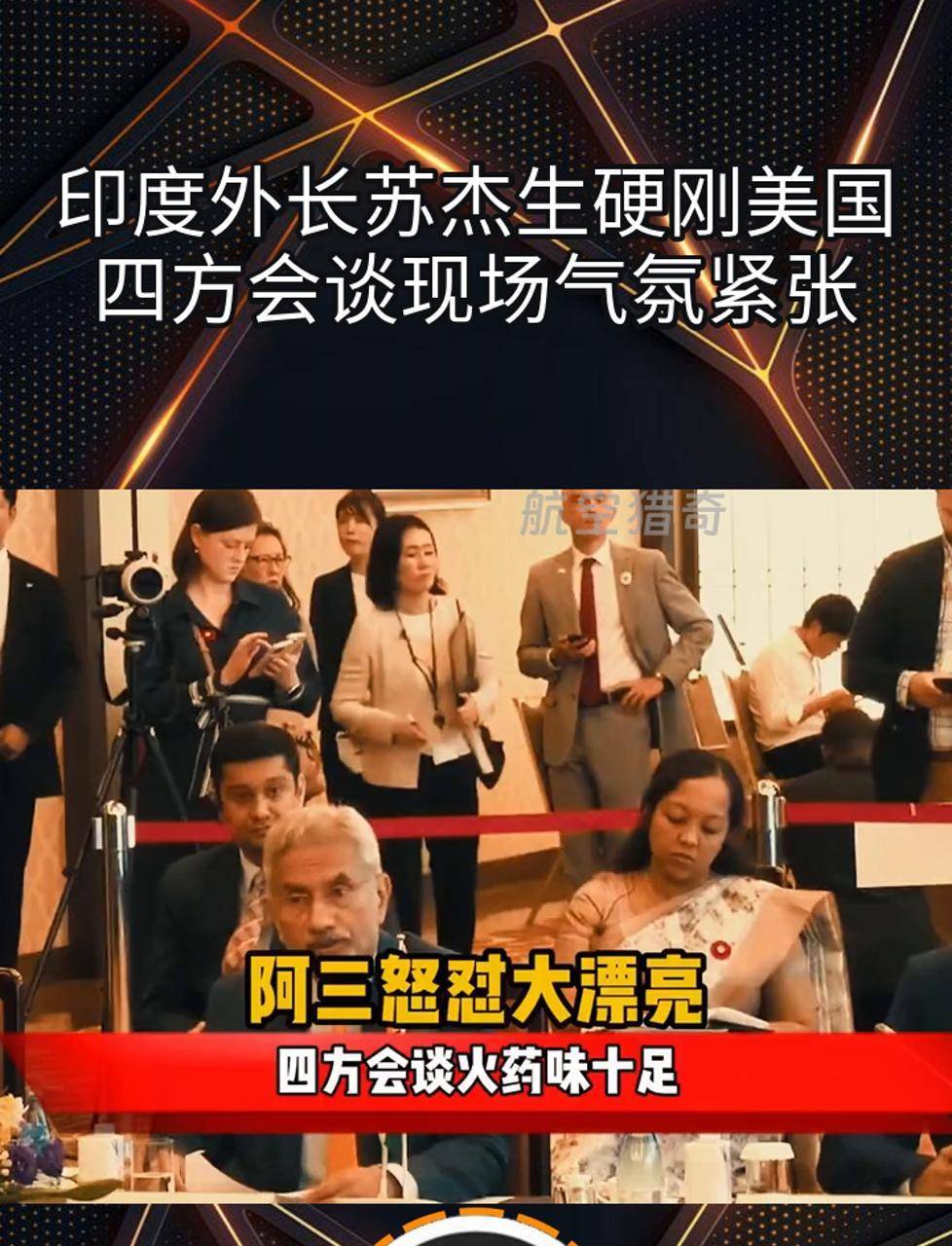
Core Viewpoint - The article discusses the escalating tensions between the United States and India regarding India's import of Russian oil, highlighting India's firm stance against U.S. punitive tariffs and its implications for global energy dynamics [2][4][6]. Group 1: U.S. Actions and India's Response - The U.S. has imposed two rounds of 25% punitive tariffs on India, specifically targeting its imports of Russian oil, signaling a direct confrontation [2]. - India's External Affairs Minister, S. Jaishankar, openly challenged the U.S. actions, questioning the fairness of targeting India while allowing other countries to import Russian energy without repercussions [2][6]. - The U.S. has shown a double standard in its approach, being more lenient towards European countries like Hungary that also import Russian oil, which highlights selective enforcement of its policies [6][8]. Group 2: Economic Implications for India - Since 2022, Russia has become India's largest oil supplier, providing approximately 1.6 million barrels per day, which is critical for India's energy needs [4]. - India's heavy reliance on oil, with over 85% dependency, makes it economically challenging to sever ties with Russian oil, as it would create significant gaps in its energy supply [4][10]. - The potential economic impact of U.S. tariffs could lead to increased costs for Indian consumers and industries, affecting overall economic stability [10][12]. Group 3: India's Strategic Positioning - India is shifting its trade strategy, prioritizing free trade agreements with countries that do not directly compete with its industries, while sidelining nations like China [8]. - The country is also emphasizing its role as a major exporter of refined oil products, leveraging its refining capabilities to enhance its economic position [6][12]. - India, alongside Brazil and South Africa, has publicly opposed unilateral sanctions, advocating for a fair global energy market that is not dominated by any single nation [8][12].

莫迪不敢买,中国趁机拿下千万桶俄油?价格还打了折
Sou Hu Cai Jing· 2025-08-23 09:14
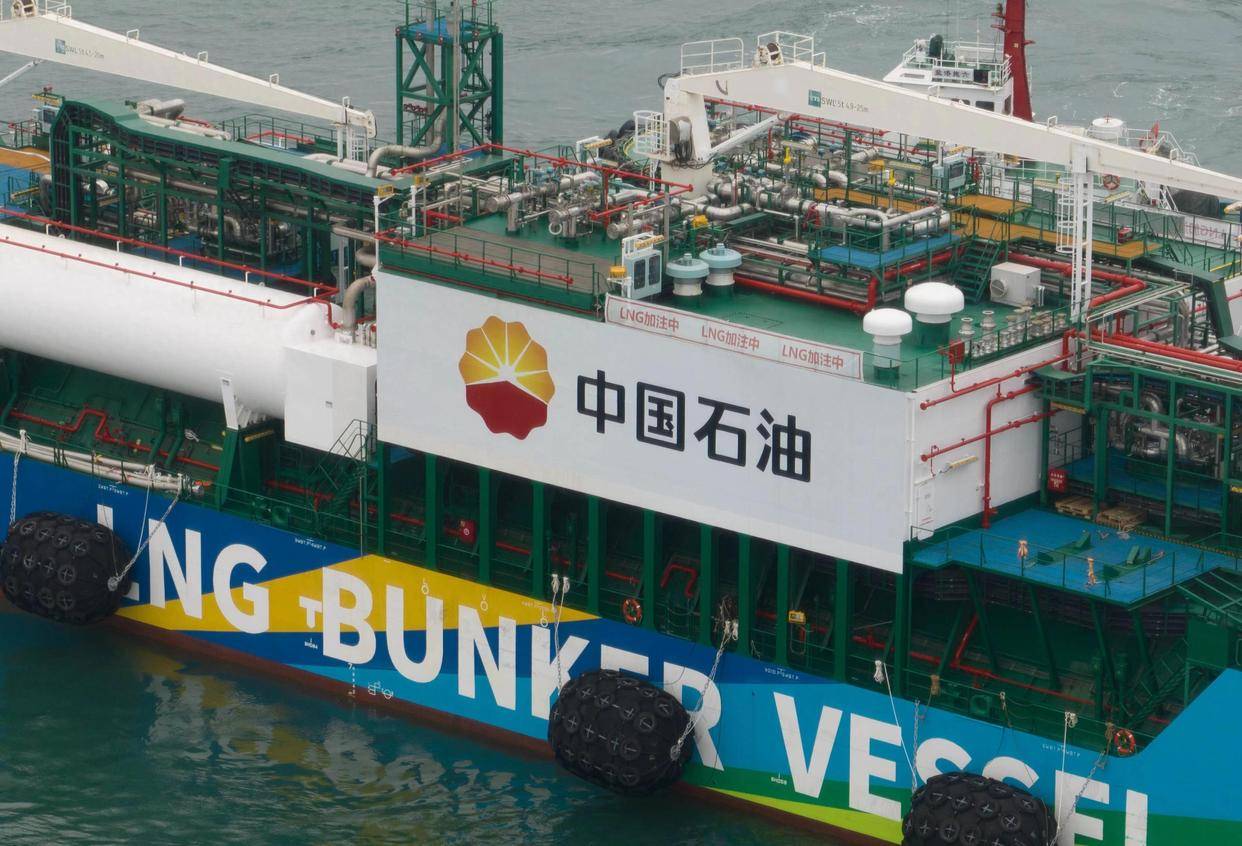
Core Insights - A strategic business transaction has occurred in the international energy market, where Chinese refineries have secured 10 million barrels of Russian Urals crude oil originally intended for India at a significant discount, saving up to $10 million [1][3]. Group 1: Market Dynamics - India's imports of Russian crude oil have plummeted from an average of 2.07 million barrels per day to less than 400,000 barrels per day due to a 25% secondary tariff imposed by the U.S. on August 6, 2025 [1][5]. - The European Union's sanctions have further restricted India's ability to profit from purchasing Russian crude and selling refined products to Europe, leading to a halt in new procurement plans by Indian refiners [3][5]. Group 2: China's Strategic Position - Chinese traders and refineries have demonstrated keen commercial acumen by quickly negotiating the purchase of 15 tankers of Urals crude oil, totaling over 10 million barrels, for delivery in October and November [1][3]. - This is not the first instance of China taking over "abandoned orders" from India; similar situations occurred in 2023 and 2024 when India paused purchases due to U.S. sanctions [3]. Group 3: U.S. Response - The U.S. has adopted a different approach towards India and China regarding Russian oil purchases, imposing tariffs on India while showing restraint towards China, indicating that U.S. interests are better served by not escalating tensions with China [7]. - The U.S. Treasury has publicly stated that it will not impose tariffs on China for purchasing Russian oil, recognizing the potential benefits of China's actions in stabilizing global oil prices [7].