全程社会化服务

Search documents
让小农户更好对接大市场:陆丰“社村”合作走出甘薯全链升级新路子
Nan Fang Nong Cun Bao· 2026-01-15 14:02
Core Viewpoint - The article discusses the innovative "cooperative village" model in Lufeng, which aims to enhance the sweet potato industry by integrating various stages of the supply chain, from seedling production to processing and sales, thereby improving quality and efficiency [4][24]. Group 1: Industry Overview - Lufeng is a core area for sweet potato cultivation in Guangdong, with over 200,000 acres planted and an annual output value of nearly 3 billion yuan [8]. - The sweet potato industry has faced challenges such as inconsistent seed quality, weak processing capabilities, low product value, and high reliance on direct sales, which limits price resilience [8][9]. - The "cooperative village" model aims to address these issues by organizing farmers, enhancing their market resilience, and sharing the benefits of industry growth [9][24]. Group 2: Cooperative Model Implementation - The Lufeng Cooperative Agricultural Development Company was established through collaboration between local village collectives and the Guangdong Tianhe Agricultural Company, focusing on "order agriculture + comprehensive social services" [9]. - The cooperative model has already covered 37 administrative villages and established three comprehensive service stations, leading to significant income increases for both farmers and village collectives [11][24]. Group 3: Seedling Production and Quality Improvement - A detoxified seedling center has been established to ensure high-quality seedlings, addressing the previous shortage of reliable seed sources [14][16]. - The center employs a three-tiered model for seedling production, with a capacity of 500,000 seedlings per season, aiming to produce 35 million commercial seedlings by 2026 [16][19]. Group 4: Processing and Value Addition - A new sweet potato commercialization processing center has been set up, capable of processing 30 tons of sweet potatoes daily, which includes washing, sorting, and sugarization processes [21][22]. - This center aims to enhance product value and extend shelf life, potentially doubling the market price compared to direct sales [23][24]. Group 5: Future Plans and Goals - By 2027, the cooperative model aims to cover 52 villages and develop 30,000 acres of sweet potato order planting, creating a comprehensive ecosystem that includes detoxified seedlings, standardized planting, processing, and brand marketing [24]. - The initiative is expected to provide a replicable model for rural revitalization and economic integration, contributing to the broader "Hundred-Thousand Project" for rural development [24].


乡合:高油酸花生“链”动增收新图景,亩产效益跃升近千元!
Sou Hu Wang· 2025-08-29 01:28
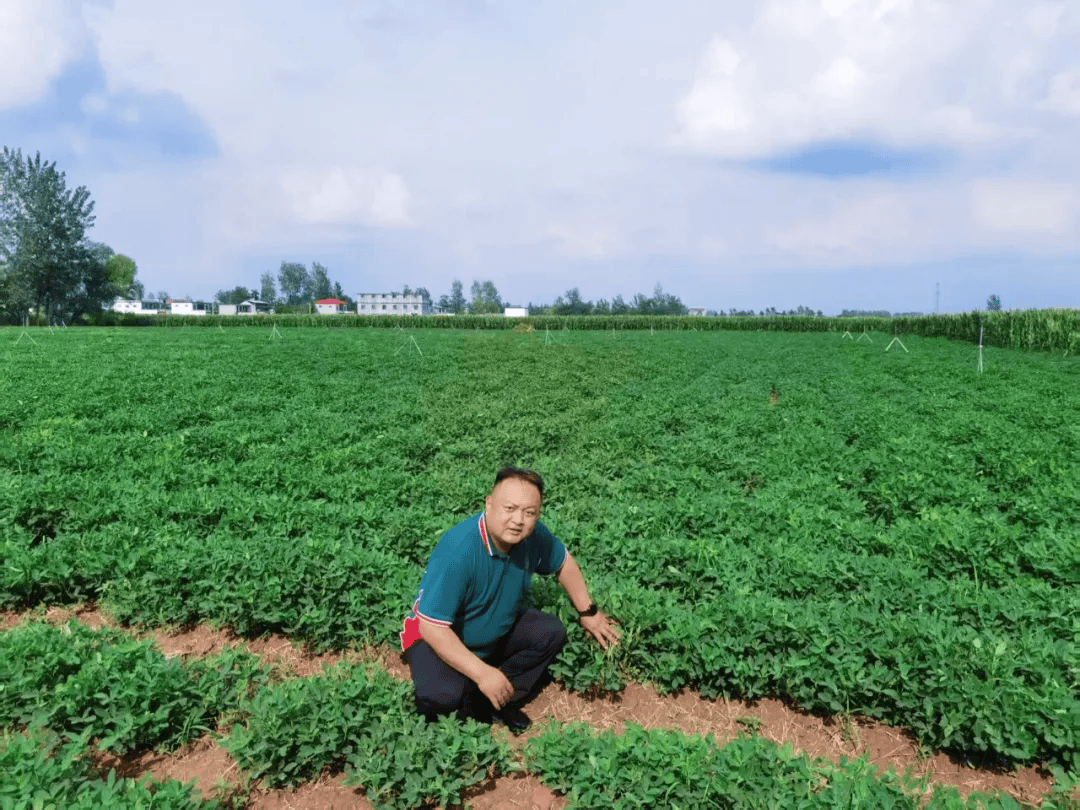
Core Insights - The article highlights the shift from traditional corn and wheat farming to high oleic peanuts in the Henan province, particularly in Shenqiu and Linquan, as a means to increase farmers' income significantly [1][3][5]. Group 1: Economic Impact - The transition to high oleic peanuts has resulted in an increase in net income per acre by nearly 1,000 yuan compared to corn [1][10]. - The average yield for high oleic peanuts is approximately 800-850 jin per acre, with a purchase price of 2.5-3 yuan per jin, leading to total income of about 2,000-2,550 yuan per acre [9]. - In contrast, traditional summer corn yields about 1,000-1,200 jin per acre, with a market price of 0.9-1.1 yuan per jin, resulting in total income of approximately 900-1,320 yuan per acre [9][10]. Group 2: Agricultural Innovation - The "order agriculture + full-service" model has been implemented to support farmers, providing risk mitigation and expanding the deep processing industry chain [1][5]. - The introduction of high oleic peanuts is part of a broader initiative emphasized in the 2025 Central Document No. 1, which aims to enhance the production of oil crops like peanuts [5]. Group 3: Support and Services - The company provides comprehensive support, including technical guidance, equipment provision, and a guaranteed purchase model to alleviate farmers' concerns about new planting methods [12][15]. - The use of specialized peanut planting machines has improved efficiency and reduced labor intensity, contributing to higher production standards [15]. Group 4: Future Prospects - The potential for deep processing of high oleic peanuts is being explored, with plans to introduce projects such as peanut roasting and oil extraction, which could significantly increase local profits [19][21]. - The successful model in Linquan serves as a benchmark for Shenqiu, encouraging local farmers to adopt this new crop and enhance their income [7][24].