
公共卫生体系建设

Search documents
雷海潮:我们应该有更多疫苗,更好更多的检验检测手段
第一财经· 2026-03-07 08:17
Core Viewpoint - The article emphasizes the importance of strengthening public health capabilities in China, particularly in the context of infectious disease prevention and control, as highlighted by government officials during the recent National People's Congress sessions [3][4]. Group 1: Public Health Strategy - The National Health Commission's director, Lei Haichao, outlined four key areas for public health work over the next five years, including enhancing public health safety capabilities and building a global health community [3]. - The "14th Five-Year Plan" aims to establish a robust and intelligent public health protection network centered on people's health [3][5]. Group 2: Infectious Disease Control - The shift in focus from "key infectious disease prevention" to a broader public health framework reflects the need for a stronger public health system as the first line of defense for people's health [5]. - The new Infectious Disease Prevention Law, implemented last year, aims to enhance the response to public health emergencies and improve the overall infectious disease control capabilities [5]. Group 3: Collaborative Mechanisms - There is an expectation for deeper collaboration among various departments to improve public health capabilities, moving from individual accountability to a collective health accounting approach [7]. - The integration of medical and preventive measures is crucial, with an emphasis on vaccination as a cost-effective public health intervention [7]. Group 4: Innovation and Development - Lei Haichao stressed the need for more vaccines and better testing methods to enhance self-sufficiency in infectious disease control [8]. - Industry experts anticipate increased support for the development and commercialization of innovative products, including multi-valent vaccines, during the "14th Five-Year Plan" period [8].

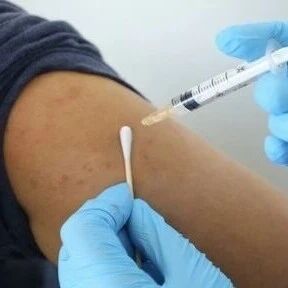
筑牢超大城市公卫屏障
Xin Lang Cai Jing· 2026-01-17 07:27
Core Viewpoint - The Shanghai Municipal Health Commission and the Municipal Center for Disease Control and Prevention announced the implementation status of the sixth round of the three-year action plan for strengthening public health system construction (2023-2025), which aims to enhance public health safety and serve as a national model [1] Group 1: Key Projects and Goals - The current plan focuses on "capacity enhancement" with goals to "address shortcomings, strengthen weaknesses, and increase capabilities" through 13 collaborative projects [1] - Four major engineering projects are prioritized: emergency capacity, service capacity, collaborative capacity, and guarantee capacity [2] Group 2: Emergency and Service Capacity - Emergency capacity improvements include the establishment of an intelligent infectious disease monitoring and early warning system, and the development of a clinical diagnosis and treatment center for infectious diseases [2] - Service capacity enhancements involve optimizing the layout of disease control laboratories and creating a platform for infectious disease prevention and health promotion [2] Group 3: Collaborative and Guarantee Capacity - Collaborative capacity focuses on building a data management model for common diseases in children and adolescents, and establishing demonstration communities for chronic infectious disease management [2] - Guarantee capacity includes the development of a public health training system and the cultivation of key disciplines and talent teams [2] Group 4: Achievements in Disease Control - The Shanghai disease control center has established a closed-loop system for infectious disease monitoring, warning, and response, achieving full data collection and a dual-track monitoring model [3] - AI early warning models can predict epidemics and medical burdens two weeks in advance, with accuracy at the street and town level [3] Group 5: Biological Safety and Monitoring - Breakthroughs in pathogen detection and tracing have been achieved, with a digital information database for biological samples that can identify unknown pathogens within 48 hours [3] - A comprehensive monitoring network covering humans, animals, and the environment has been established, enhancing the monitoring of antibiotic resistance genes and airborne microorganisms [3]
上海:超大城市公共卫生风险防控能力系统性增强
Xin Lang Cai Jing· 2026-01-17 03:18
Core Insights - Shanghai has enhanced its public health system through a three-year action plan (2023-2025), focusing on improving risk prevention capabilities in a densely populated urban environment [1][3] Monitoring Network - Shanghai optimized the monitoring efficiency of 354 fever clinics and 227 intestinal clinics, added 7 children's comprehensive monitoring points, and expanded 8 media information monitoring sources [1] - The city deployed integrated equipment for vector monitoring, achieving real-time dynamic monitoring of mosquitoes, and upgraded 523 medical institutions with intelligent reporting plugins, reducing reporting time by 50% [1] Intelligent Early Warning - Shanghai has innovated a meteorological-infectious disease risk forecasting technology, which has been recognized as a city demonstration case by the World Health Organization [2] - The city established a modular layout standard for large emergency response sites and a comprehensive emergency operation center (EOC) that integrates real-time information gathering and risk assessment [2] Testing and Detection - The Shanghai CDC has achieved rapid identification of over 200 known pathogens within 24 hours and rapid localization of unknown pathogens within 48 hours [2] - A public health pathogen laboratory network has been established, enabling a transition from routine to emergency testing for special pathogens within 36 hours [2] Data Integration and Analysis - Shanghai developed a cloud-based comprehensive analysis system for pathogen monitoring data, allowing real-time tracking and early warning of the entire process from sample collection to testing [4] - The system integrates IoT and geographic positioning technologies, facilitating the rapid identification of unknown pathogens within 48 hours and precise tracing of samples within 24 hours [4] Biomedicine Innovation - Shanghai has built an organoid research platform to support vaccine development and drug screening, accelerating biomedicine innovation and ensuring biosecurity across critical urban operations [4]
新闻发布厅丨河南省高质量完成“十四五”规划系列主题新闻发布会之八 优质医疗沉下去 中医药名片亮出来
He Nan Ri Bao· 2025-10-02 23:28
Core Insights - The Henan provincial government is focusing on enhancing the public health system during the "14th Five-Year Plan" period, aiming for significant improvements in health indicators and healthcare accessibility [1][2]. Group 1: Health Indicators and Achievements - By the end of 2024, the health literacy level in Henan is expected to reach 32.07%, with infant mortality, under-five mortality, and maternal mortality rates at 2.47‰, 3.48‰, and 9.99 per 100,000 respectively, consistently better than the national average [1]. - The province has established 12 national regional medical centers, the highest in the country, and has seen a reduction in patient referrals outside the province for key specialties to 1.57%, down 6 percentage points from 2020 [2]. Group 2: Healthcare Infrastructure Development - Henan has built a multi-tiered healthcare service network, including 15 provincial medical centers and 55 regional medical centers, with 90 county-level hospitals achieving tertiary hospital service standards [3]. - The average township health center and community health service center now have 8 registered general practitioners and 3 senior physicians, enhancing local healthcare service reliability [3]. Group 3: Public Health and Disease Control - The province has established a robust public health defense system with 190 monitoring points for infectious diseases and public health emergencies, achieving full coverage at provincial, municipal, and county levels [4]. - A comprehensive coordination mechanism with various departments has been developed to enhance the monitoring and early warning system for infectious diseases [4]. Group 4: Traditional Chinese Medicine (TCM) Development - During the "14th Five-Year Plan," Henan has established 2,507 TCM clinics in communities, with all secondary and higher-level hospitals and maternal and child health institutions setting up TCM departments [5]. - The province is promoting TCM internationally, with flagship stores opening in countries like Russia and Japan, and over 3,000 overseas trainees participating in TCM training programs [6].