公务接待规范化

Search documents
细节摊在阳光下 公务接待更规范
Ren Min Ri Bao· 2026-02-03 03:17
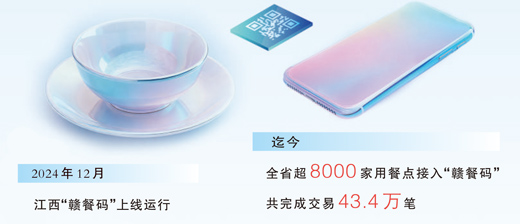
Core Viewpoint - The article highlights the implementation of a new public reception management system in Ganzhou City, Jiangxi Province, aimed at standardizing and regulating public receptions to reduce waste and corruption in government spending [3][10]. Group 1: Regulatory Framework - A series of regulations, including the Central Eight Provisions and the revised "Regulations on the Management of Domestic Public Reception by Party and Government Agencies," have been established to promote the standardization of public receptions and curb waste and corruption [3][10]. - The new public reception management measures in Ganzhou include the use of a "Public Consumption Network Supervision System" and "Gan Restaurant Code" to enhance transparency and standardization in public receptions [3][10]. Group 2: Implementation Process - The reception process involves mandatory procedures such as obtaining a formal invitation letter and entering meal details into the system, ensuring compliance with spending limits [9][10]. - The meal standard for public receptions is set at a maximum of 100 yuan per person, with a guideline of "N-1" for the number of dishes served [9][10]. Group 3: Monitoring and Compliance - The system allows for real-time monitoring and alerts for any overspending or violations, with data being accessible for audits by financial and auditing departments [10][15]. - Regular inspections by supervisory teams are conducted to ensure compliance with the new regulations and to provide guidance on best practices [15][16]. Group 4: Impact on Business Operations - The new regulations have influenced the operational strategies of the Ganzhou Hotel, prompting it to diversify its services beyond public receptions to include wedding banquets, tourism groups, and business events [15][16]. - The hotel management expresses confidence in the future development of the business, indicating a positive outlook on adapting to the new regulatory environment [16].
细节摊在阳光下 公务接待更规范(在现场·作风建设新观察)
Ren Min Ri Bao· 2026-02-02 03:19
Core Viewpoint - The article emphasizes the ongoing efforts in strict governance and anti-corruption measures within the Chinese Communist Party, highlighting the implementation of various regulations to standardize and monitor public service expenditures [2]. Group 1: Regulations and Standards - A series of regulations, including the Central Eight Provisions and the newly revised regulations on public service reception, have been introduced to establish rules, clarify responsibilities, and correct deviations in public service spending [3]. - Jiangxi's Ganzhou City has implemented a "Public Consumption Network Supervision System" and "Ganshan Code" to enhance transparency and standardization in public receptions [3][7]. Group 2: Implementation Practices - The article describes a specific case of a public reception at a hotel, where the manager, Zheng Yuming, follows strict guidelines for meal standards and documentation, ensuring compliance with the regulations [5][6]. - The reception process includes verifying official documents, adhering to meal standards, and using public cards for payment to prevent corruption [6][11]. Group 3: Monitoring and Supervision - The supervisory team conducts regular checks to ensure compliance with public reception standards, including the use of the "Ganshan Code" for payments, which helps in maintaining accountability [9][11]. - The implementation of the "Public Consumption Network Supervision System" and "Ganshan Code" has influenced the operational strategies of the hotel, leading to diversified business practices beyond public receptions [11][12].

过紧日子 炼好作风(前沿观察)
Ren Min Ri Bao· 2025-11-18 00:31
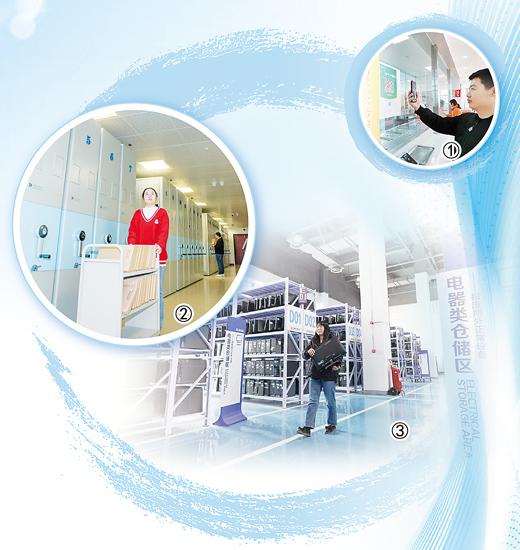
Core Insights - The article discusses the implementation of new regulations aimed at promoting frugality and reducing waste within government agencies, highlighting the positive changes observed in various regions [4]. Group 1: Public Asset Management - The "Public Goods Warehouse Online" system in Shapingba District, Chongqing, has facilitated the efficient allocation of idle assets, allowing for the transfer of 9,728 items across 91 units, resulting in a cost saving of 20.07 million yuan [7]. - A mechanism has been established to prioritize the use of existing assets before making new purchases, with strict controls on over-purchasing and redundant procurement [8]. - The system has improved transparency and accountability in asset management, helping to prevent misuse and loss of public property [7]. Group 2: Public Reception and Hospitality - The "Xiangban Tong" application in Hunan Province has streamlined the process of managing official receptions, leading to a 94.4% reduction in public reception expenditures [11]. - The system allows for real-time tracking of expenses and ensures that all costs are covered by the respective departments, eliminating the need for upfront payments by individuals [11]. Group 3: Vehicle Management - The Guangdong Province has implemented a centralized public vehicle management platform that tracks vehicle usage and maintenance, significantly reducing the risk of misuse [12]. - The province has adopted a "unified procurement and separate signing" model for purchasing new energy vehicles, resulting in a cost saving of approximately 38 million yuan across 1,336 vehicles [13]. Group 4: Space Utilization - In Changzhou, Jiangsu Province, the consolidation of archives into a centralized storage facility has freed up 2,400 square meters of office space, enhancing operational efficiency [14]. - The local government has actively sought to repurpose idle properties, transforming them into innovation hubs that generate rental income and support local startups [16].