
公民环境权

Search documents
生态环境法典草案进入三审 学者呼吁明确公民环境权
Di Yi Cai Jing· 2025-12-24 05:52
Core Viewpoint - The draft of the Ecological Environment Code is under review, emphasizing the need to include citizens' environmental rights and obligations in the legislation [1][2]. Group 1: Legislative Context - The Ecological Environment Code is the second law in China named as a "code," and its review has garnered significant public attention [1]. - The draft is set to be presented to the 19th meeting of the 14th National People's Congress Standing Committee on December 22 [1]. Group 2: Environmental Rights - Cai Shouqiu, a prominent legal scholar, advocates for the inclusion of citizens' rights to a clean and healthy environment in the Ecological Environment Code [1][2]. - The recognition of environmental rights aligns with international standards, as 156 out of 193 UN member states have legally acknowledged such rights [1]. Group 3: Current Legal Framework - There is a noted tendency in China's environmental law to emphasize citizens' obligations over their rights, which Cai argues is inconsistent with global practices [4][6]. - The draft currently mentions "pollution rights," which may mislead the public into thinking that pollution is being authorized rather than restricted [4][5]. Group 4: Recommendations for Improvement - Experts suggest that the Ecological Environment Code should clearly define public environmental rights and eliminate the term "pollution rights" [6]. - A comprehensive legal framework that includes citizens' rights to a clean environment would support sustainable development goals and contribute to the vision of a beautiful China by 2035 and 2050 [6].

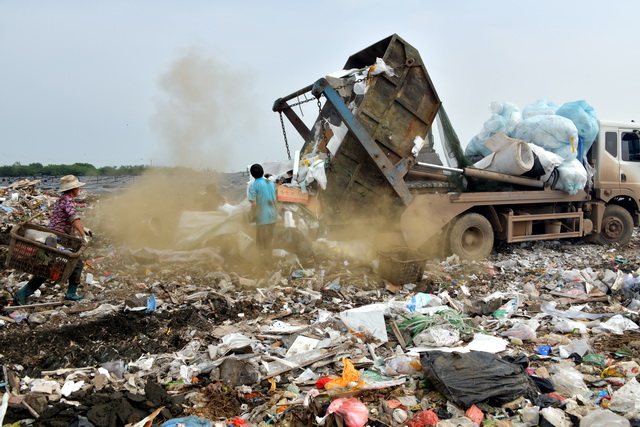
生态环境法典草案进入三审,学者呼吁明确公民环境权
Di Yi Cai Jing· 2025-12-24 04:07
Core Viewpoint - The draft of the Ecological Environment Code is under review, aiming to legally recognize citizens' environmental rights in China, which is crucial for sustainable development and aligns with international standards [1][2][4]. Group 1: Environmental Rights Recognition - By the end of 2020, 156 out of 193 UN member states legally recognized environmental rights, indicating a global trend towards acknowledging the right to a clean and healthy environment [1]. - The United Nations Human Rights Council passed a resolution in October 2021 recognizing the right to a clean, healthy, and sustainable environment as a significant human right [1]. Group 2: Legislative Insights - The draft of the Ecological Environment Code has been criticized for emphasizing citizens' obligations over their rights, which is contrary to the practices of many countries [4][6]. - The draft fails to explicitly mention the public's right to a clean and healthy environment while allowing for pollution rights, which may mislead the public regarding pollution management [5][6]. Group 3: Recommendations for Improvement - Experts suggest that the Ecological Environment Code should clearly define public environmental rights and eliminate the term "pollution rights" to better reflect the intention of environmental protection [6]. - Incorporating international experiences in the legislation could create a comprehensive legal framework that supports the realization of a beautiful China by 2035 and 2050 [6].