公益可持续性

Search documents
嫣然医院风波:公益医疗如何“将爱进行到底”
21世纪经济报道· 2026-01-23 13:23
Core Viewpoint - The article discusses the challenges faced by the Yanran Hospital, a charity hospital founded by Li Yapeng, which has provided free surgeries for over 10,000 children with cleft lips over 14 years but is now facing relocation due to inability to pay rent. It highlights the broader issues of social resource allocation, sustainability of public welfare, and resilience of the healthcare system [1]. Group 1: Medical and Economic Context - Cleft lip and palate, commonly known as "rabbit lip," affects approximately 1 in every 600 to 1,000 newborns. About 80% of patients experience middle ear dysfunction, and 60% have speech issues, with additional dental and occlusal problems being common. The psychological and social costs are significant, as adolescents with cleft lip face bullying at three times the rate of their peers, and adults may encounter hidden discrimination in social and professional settings [1]. - The ideal treatment process spans over a decade, starting from lip repair at 3-6 months to palate repair before the age of one, followed by bone grafting, orthodontics, speech therapy, and psychological support. Each step has strict timelines to maximize the child's reintegration into society [1]. Group 2: Role of Charity Organizations - The cost of a single cleft lip repair surgery is approximately 50,000 yuan, with additional burdens from ongoing treatment, travel, accommodation, and lost wages for parents. This creates a significant financial gap that charity organizations like Yanran need to fill, positioning them as "providers of social cost solutions" that utilize public funds to purchase professional medical services for underprivileged families [2]. - Despite the apparent effectiveness of this business model, Yanran Hospital faces operational challenges due to the legal requirement for funds to be used exclusively for patient care, preventing them from covering daily operational costs such as rent and salaries [2]. Group 3: Future Directions for Charity Healthcare - The public discourse surrounding Yanran Hospital's situation has opened discussions on the legal relationship between funds and hospitals, corporate donation processes, and liability issues. This indicates a shift towards a more rational and sustainable framework for public welfare [3]. - Future solutions may involve innovative resource inputs, such as corporate donations of free space, which could alleviate fixed cost pressures on hospitals. The charity healthcare sector may need to explore a "light asset model" by collaborating with existing medical institutions to reduce fixed costs and improve resource efficiency [3].

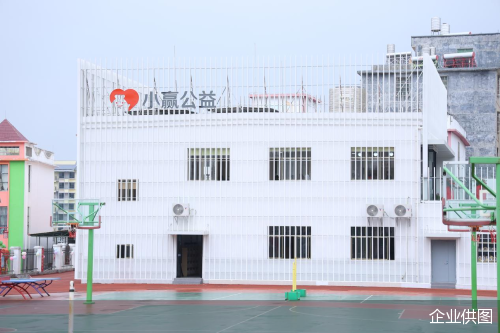
小赢公益图书馆助力乡村教育阅读的一周年“实干”答卷
Bei Jing Shang Bao· 2025-08-08 08:51
Core Insights - The Xiaoying Public Library has transitioned from a "hardware facility" to a "cultural ecosystem" within one year of operation, serving as a cultural landmark in rural education [1][3] - The library aims to be a sustainable cultural organism rather than a mere "book warehouse," focusing on community involvement and educational engagement [3][5] Group 1: Library Impact - The Xiaoying Public Library has served over 4,000 visitors in the first half of 2025, impacting 15 surrounding villages and integrating reading into daily rural life [4] - The library has become a "cultural hub" that enhances community vitality and improves social satisfaction among students and parents [4] Group 2: Community Engagement - A volunteer service team organized by the school has been pivotal in promoting reading activities, providing guidance, and organizing events like "story relay" and "parent-child reading sharing sessions" [3][4] - The library operates year-round, fostering a second classroom environment for children and encouraging parental involvement in their children's education [3] Group 3: Long-term Vision - Xiaoying Public Foundation emphasizes the sustainability of its initiatives, aiming to make reading a fundamental aspect of rural education and community life [5] - The foundation plans to expand its reading-focused initiatives to more areas, continuing to support rural cultural revitalization through education [5]