
公费师范生

Search documents
坐拥铁饭碗的公费师范生,为什么又后悔了?
Hu Xiu· 2025-10-15 06:32
Core Viewpoint - The increasing popularity of public-funded teacher training programs among young people seeking stable futures is highlighted, but the reality of job competition and changing policies raises concerns about the actual benefits of these programs [1][4][6]. Group 1: Public-Funded Teacher Training Programs - Public-funded teacher trainees are students whose tuition is covered by the government, with a commitment to teach in designated areas after graduation [2]. - The admission scores for these programs have risen significantly, with many provinces exceeding 620 points this year, and popular majors surpassing the first-tier score by 100 points [3]. - The implementation of new policies in 2024 aims to direct public-funded teacher trainees towards central and western regions [5]. Group 2: Challenges Faced by Graduates - Graduates of public-funded teacher programs face intense competition for teaching positions, often competing against master's and doctoral candidates, as well as international students [4][35]. - The distribution policies for job placements are frequently changing, leading to uncertainty about where graduates will be assigned to teach [4][40]. - Many graduates are discovering that the promised job security is not as straightforward as expected, as they still need to navigate the job market and may end up in less desirable locations [33][41]. Group 3: Personal Experiences and Aspirations - Personal stories illustrate the emotional struggles of students like Lin Xiaotong, who felt pressured to enroll in a public-funded teacher program despite her desire to pursue a different path [6][10][12]. - The allure of a stable job and the perception of teaching as a noble profession motivate many students to choose this route, despite the challenges they may face later [12][14]. - The experiences of students vary significantly based on their geographical backgrounds, with those from under-resourced areas facing different pressures and opportunities compared to their urban counterparts [25][26]. Group 4: Post-Graduation Realities - Graduates often find that the reality of teaching positions involves high workloads and pressures that differ from their initial expectations [55][56]. - The competitive nature of job placements means that even high-achieving graduates may not secure positions in desirable schools, leading to feelings of regret and reconsideration of their choices [43][71]. - The increasing demands placed on teachers in urban settings, such as performance metrics and extracurricular responsibilities, contribute to a challenging work environment [58][66].


公费师范生:从“看不起”到“高攀不起”?
Hu Xiu· 2025-07-17 00:28
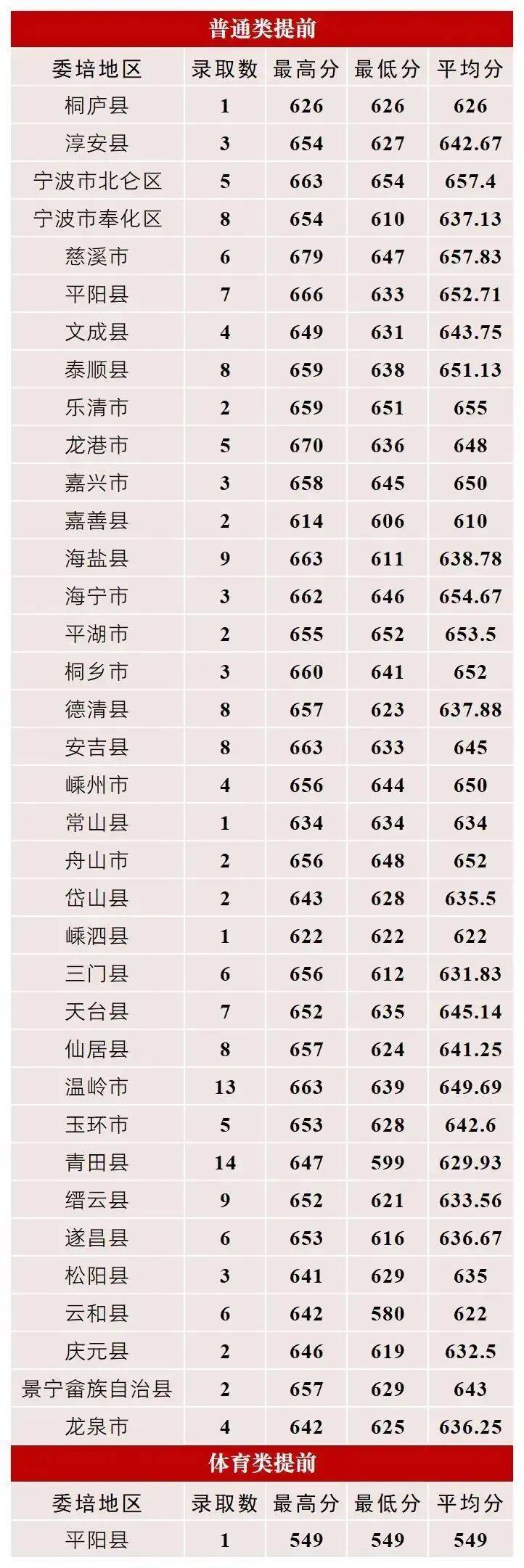
Group 1 - The admission scores for various colleges, particularly for teacher training programs, have significantly increased this year across multiple provinces, indicating a rising demand for education professionals [3][4][13][19] - In Zhejiang, the highest admission score for primary education at Shaoxing University is 656, while the lowest is 649, showcasing a competitive environment for aspiring teachers [5][7] - The trend of rising admission scores is also observed in Jiangsu, where the highest score for teacher training programs has reached 634, reflecting a shift in student preferences towards stable employment opportunities in education [10][11][12] Group 2 - The increase in admission scores for public-funded teacher training programs in provinces like Henan and Hebei suggests a growing interest in these positions despite previous years of lower demand [13][25] - In contrast, the average salary for grassroots teachers in regions like Henan remains low, around 3000, which may deter some students from pursuing teaching careers despite high admission scores [26] - The competitive nature of teacher training programs is evident, as many students with high scores are opting for second-tier institutions to secure employment, raising questions about long-term career satisfaction [27]
今年广西招收1571名公费师范生
Guang Xi Ri Bao· 2025-06-11 02:39
Group 1 - The core initiative involves recruiting 1,571 public-funded normal students for four-year undergraduate programs in Guangxi, specifically targeting high school graduates with local residency [1][2] - The program offers tuition waivers, accommodation exemptions, and living allowances for students during their studies [1] - Ten universities are designated for this recruitment, including Guangxi Normal University and Nanning Normal University, with a focus on various educational majors [1] Group 2 - Candidates must voluntarily apply for the designated teacher training programs and commit to teaching in assigned rural or urban schools for at least six years post-graduation [2] - Admission requirements include passing the 2025 Guangxi college entrance examination and meeting specific score thresholds for various majors, including arts and sports [2] - Students enrolled in the program are subject to strict management regulations, including mid-term assessments and restrictions on transferring or changing majors [2]