养阳

Search documents
一年中最冷的日子来了!做好5件事“养冬”
Huan Qiu Shi Bao· 2025-12-21 01:56
Core Viewpoint - The article emphasizes the importance of health maintenance during the coldest period of the year, known as "Shu Jiu," which begins on the winter solstice and lasts for 81 days, highlighting the need for specific health practices to protect the body's yang energy during this time [3][10]. Group 1: Health Risks During Winter - Cold weather leads to increased blood viscosity, which can elevate both systolic and diastolic blood pressure, raising the risk of cerebrovascular incidents such as strokes [5]. - The heart faces additional strain in cold conditions, as the heart rate increases to supply energy, while blood becomes thicker and flows more slowly, compounding the heart's workload [6]. - Cold, dry air can trigger respiratory stress, causing dryness in the nasal passages and throat, and constricting small airways [7]. Group 2: Key Health Maintenance Practices - Protecting the abdomen, neck, and feet from cold is crucial; wearing scarves and soaking feet in warm water before bed can improve sleep and circulation [10]. - Physical activity should be moderate during winter; gentle exercises like Tai Chi are recommended, especially when the sun is out [12]. - Diet should focus on warm, easily digestible foods, avoiding cold items, particularly for those with weak yang energy [13]. - Early sleep is advised to allow the body to restore its yang energy, aligning with the natural rhythm of shorter winter days [13]. - Mental well-being is important; engaging in calming activities can help maintain a positive mood and support overall health [13]. Group 3: Traditional Remedies - The practice of "San Jiu Tie" (Nine-Day Patches) is recommended for enhancing immunity and preventing common winter ailments, with specific application guidelines [14][15]. - It is advised to avoid certain foods and activities during the patch application to maximize effectiveness and prevent skin irritation [16][17].


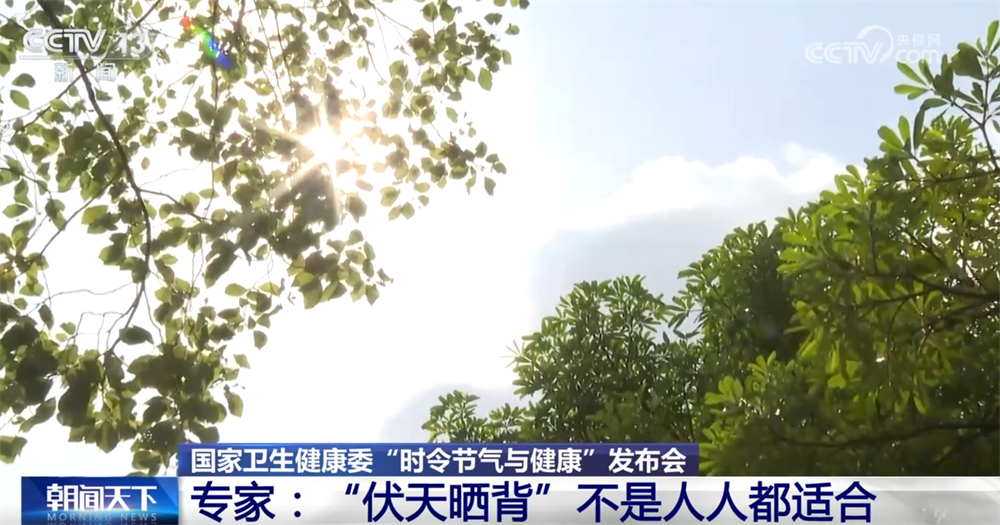
“伏天晒背”是否人人适合?如何防暑降温避免中暑?专家提示“几要”“几不要”↓
Yang Shi Wang· 2025-07-24 02:43
Group 1 - The current hot season, known as "Da Shu," is a good time for "yang nurturing," with methods like sunbathing being popular [1] - Not everyone is suitable for sunbathing; individuals with weak constitutions, the elderly, and those with skin allergies should avoid it [1][3] - People with underlying health conditions such as hypertension, coronary heart disease, and hyperlipidemia are also advised against sunbathing [1] Group 2 - For individuals with a cold constitution, sunbathing can be beneficial, but precautions must be taken regarding weather, duration, and post-sunbathing care [3] - It is recommended to start with 5-10 minutes of sun exposure, gradually increasing to 15-30 minutes, 2-3 times a week [3] - After sunbathing, individuals should avoid cold showers and air conditioning immediately, allowing the body to cool down naturally [3] Group 3 - During the hot season, outdoor workers like delivery personnel are at high risk of heatstroke [4][6] - Symptoms of heatstroke include headache, dizziness, and excessive sweating; individuals should rest in a cool place and hydrate if these symptoms occur [4] - If symptoms worsen, immediate cooling measures and medical attention are necessary [4] Group 4 - Outdoor workers are advised to take proactive measures such as wearing protective clothing and taking regular breaks in shaded areas [6] - Hydration is crucial; workers should drink water regularly, preferably electrolyte-rich beverages, and avoid ice-cold drinks [6] - Alcoholic and high-sugar drinks should be avoided as they can burden the body [6]