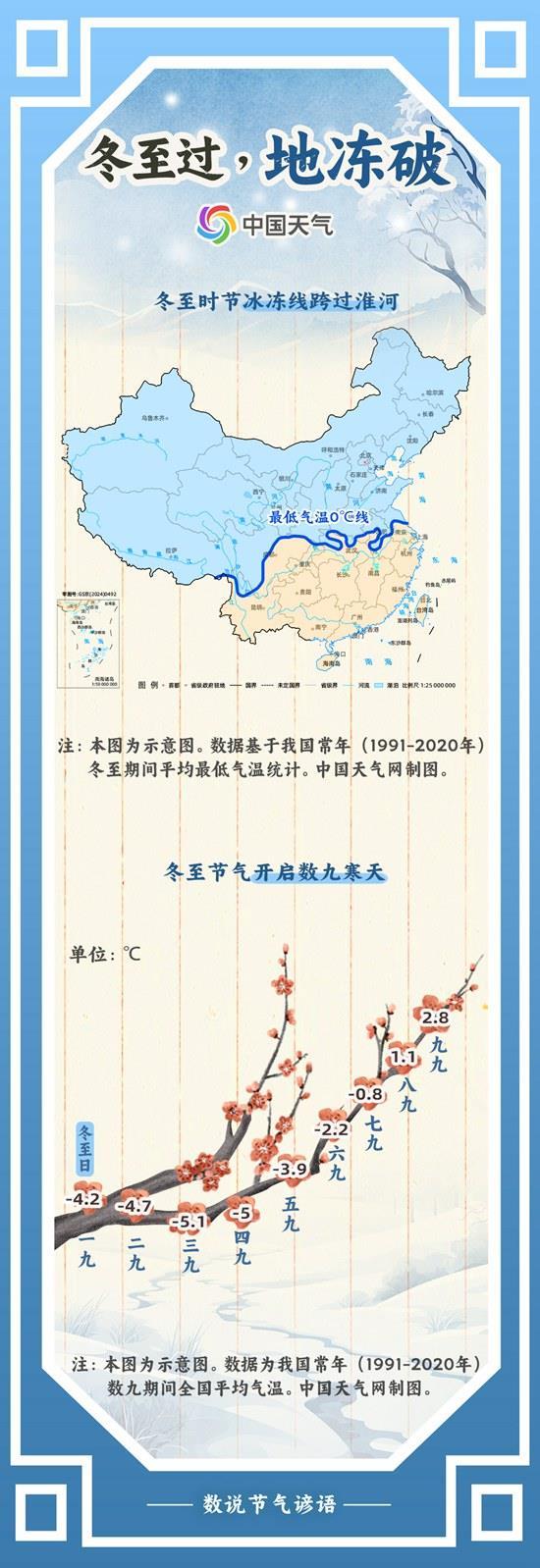
数九寒天

Search documents
三九首日我国多地偏暖,专家解析气温分布不均
Bei Ke Cai Jing· 2026-01-08 07:06
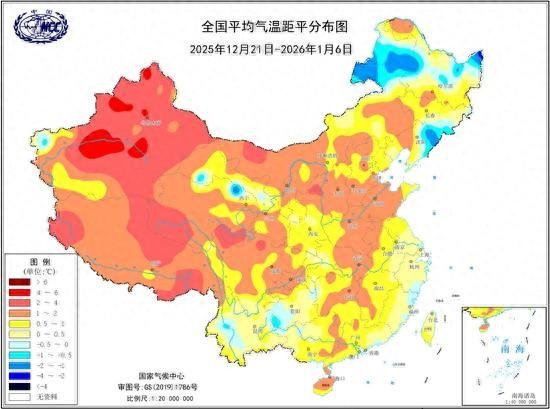
Core Viewpoint - The article discusses the unusual warm weather in China during the "San Jiu" period, which is typically the coldest time of the year, and questions whether this warm trend will continue [1] Summary by Relevant Sections Temperature Trends - The "San Jiu" period marks the coldest time of the year in China, with historical data indicating an average national temperature of -5.15°C during this time from 1991 to 2020 [1] - This year, the overall temperature during the "San Jiu" period is expected to remain above average, indicating a warmer winter compared to historical norms [1] Regional Variations - There is a notable disparity in temperature across different regions; areas such as eastern Inner Mongolia and Northeast China have experienced temperature drops exceeding 10°C due to cold air influences, while regions from North China to Jiangnan are experiencing warmer conditions [1]

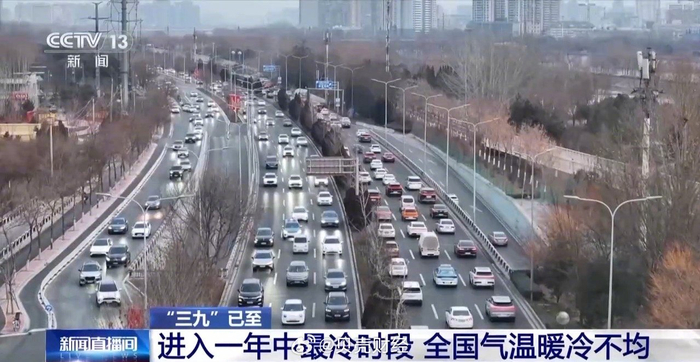
“三九”已至 进入一年最冷时段 我国气温有啥特点?专家解析
Yang Shi Xin Wen· 2026-01-08 06:59
Core Viewpoint - The current winter season in China is experiencing unusual warmth during the traditionally cold "San Jiu" period, with significant regional temperature variations observed across the country [1][3]. Group 1: Temperature Trends - The "San Jiu" period, typically the coldest time of the year, is expected to see overall higher temperatures this year, with many regions experiencing temperatures up to 2°C above the historical average [1][3]. - Historical data from 1991 to 2020 indicates that the coldest average temperature during "San Jiu" is -5.15°C, but this year, the temperature distribution will be uneven, with some areas like Inner Mongolia and Northeast China experiencing drops exceeding 10°C [3][5]. Group 2: Day-Night Temperature Variation - This year's "San Jiu" period is characterized by significant day-night temperature contrasts, particularly in southern regions where daytime highs may approach or exceed 20°C, while nighttime lows could drop below historical averages [5][7]. - The temperature difference between day and night in areas like Jiangnan could exceed 10°C, with some locations experiencing differences greater than 15°C, highlighting the stark contrast in temperature [5]. Group 3: Regional Weather Differences - Northern regions are expected to experience frequent cold air activity, leading to strong winds and snowfall, while southern areas will have warm days but cold nights, necessitating public awareness of weather changes [7].
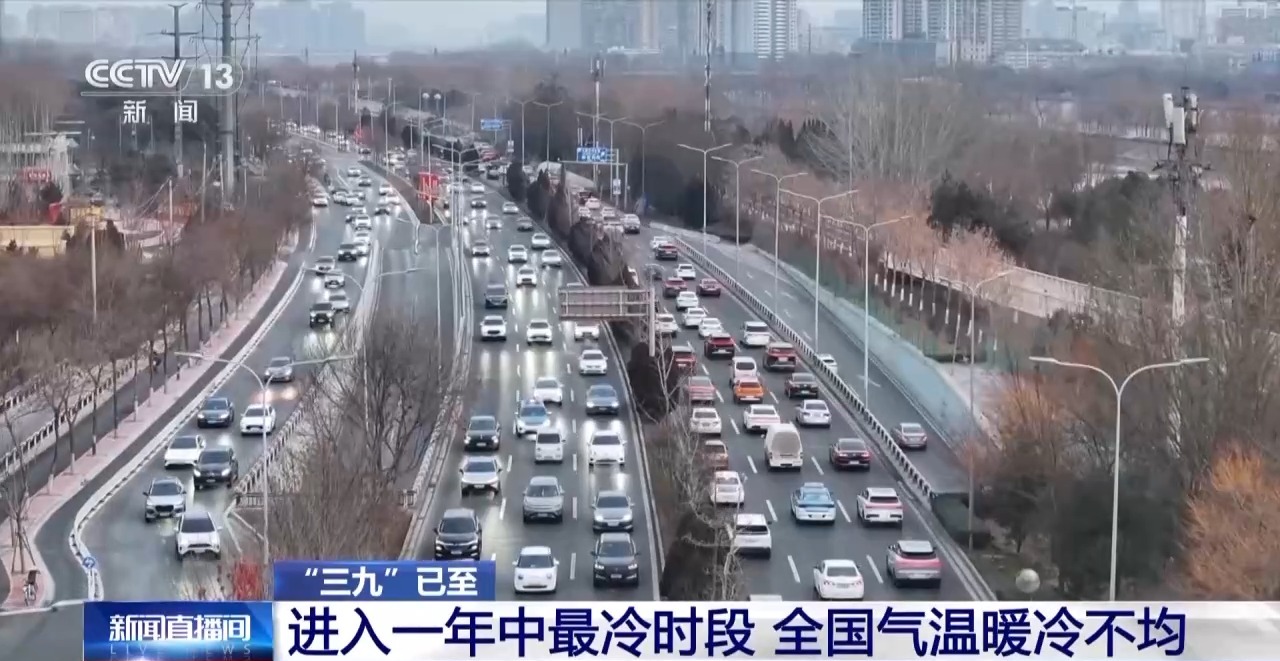
三九开启!北京持续晴冷模式 周末冷空气携大风降温来袭
Yang Shi Wang· 2026-01-08 02:47
Group 1 - The core viewpoint of the article highlights the weather conditions in Beijing, indicating a transition into the coldest period of winter with significant temperature drops and strong winds expected [1] Group 2 - The weather forecast for today shows clear to partly cloudy conditions with a high of 5°C and a low of -5°C at night, with winds shifting from south to north [1] - Tomorrow's forecast predicts cloudy weather with a chance of light snow in mountainous areas, a high of 7°C, and nighttime temperatures dropping to -4°C [1] - The following day will see a high of 1°C with continued strong north winds and nighttime temperatures reaching -9°C [1] - The latter part of the week will maintain mostly clear to partly cloudy weather, but with active cold air leading to further temperature decreases [1]
“三九”天昼夜温差大
Zheng Zhou Ri Bao· 2026-01-08 00:54
Summary - The article discusses the weather forecast for Zhengzhou, highlighting the transition into the coldest period of the year, known as "San Jiu" [1] - It mentions the fluctuation in temperatures over the next five days, with a peak temperature of 15°C expected on January 9, followed by a drop to single digits on January 10-11, and a subsequent rise to around 14°C starting January 12 [1] - The article emphasizes the significant temperature difference between day and night, with minimum temperatures consistently below zero or around 1-2°C, leading to a temperature variation exceeding 10°C, and a maximum difference of 14°C [1]
三九开启!北京持续晴冷模式,周末冷空气携大风降温来袭
Bei Jing Ri Bao Ke Hu Duan· 2026-01-08 00:10
Weather Summary - The current weather in Beijing is characterized by clear to partly cloudy conditions, with temperatures dropping significantly due to cold air influences [1][3] - The highest temperature recorded yesterday was around 4°C, with strong winds in the western mountainous areas [1] - Today, the forecast predicts a maximum temperature of 5°C during the day, dropping to a minimum of -5°C at night [3] Upcoming Weather Conditions - Tomorrow, Beijing is expected to experience cloudy weather with a chance of light snow in mountainous areas, and temperatures will rise to a maximum of 7°C [3] - Wind speeds will increase, with gusts reaching up to 7-8 levels, particularly from tomorrow evening to the following day [3] - The day after tomorrow, temperatures will drop further, with a maximum of 1°C and a minimum of -9°C at night [3] Health Advisory - Citizens are advised to dress warmly and take precautions against cold-related health issues, especially for vulnerable groups such as the elderly and children [3]
三九将至!一九二九我国多地持续偏暖,明起是否将回归寒冷
Xin Lang Cai Jing· 2026-01-07 11:01
Core Viewpoint - This winter, many regions in China are experiencing unusually warm temperatures during the traditionally cold period of "Yijiu" and "Erjiu," raising questions about whether this trend will continue into the coldest period of "Sanjiao" [1][3]. Group 1: Temperature Trends - During the "Yijiu" period (December 21 to 29, 2025), most areas in China experienced temperatures significantly higher than the historical average, with some regions exceeding by 2°C [3]. - The upcoming "Sanjiao" period is expected to be characterized by a mix of warm and cold temperatures, with some areas in Inner Mongolia and Northeast China experiencing temperature drops exceeding 10°C, while regions from North China to Jiangnan may remain warmer [4][7]. Group 2: Weather Patterns - The current warm weather is attributed to a high-pressure ridge that prevents cold air from accumulating and allows for the warming of air masses, effectively acting as a "thermal blanket" [3]. - The temperature during "Sanjiao" is expected to show significant daily fluctuations, with daytime temperatures in southern regions potentially reaching close to 20°C, while nighttime temperatures may drop significantly, reflecting the traditional cold characteristics of this period [7].
本周“数九寒天”开启 早晚出门需“全副武装”
Zheng Zhou Ri Bao· 2025-12-22 00:43
Core Viewpoint - The article discusses the weather forecast for Zhengzhou during the winter solstice, highlighting a significant drop in temperatures and the occurrence of rain and snow [1] Weather Conditions - The week starts with low temperatures and rain/snow due to the influence of cold air and warm moist air [1] - On December 22, temperatures in Zhengzhou will reach a low point with a maximum of only 5℃ and a minimum of 0℃ [1] - From December 24 to 28, the minimum temperatures will remain below 0℃, indicating a need for warm clothing when going out [1] 7-Day Weather Forecast - December 22: Overcast with light rain/snow, temperatures between 0℃ and 5℃ [1] - December 23: Overcast turning to partly cloudy, temperatures between 1℃ and 12℃, with northwest winds [1] - December 24: Partly cloudy turning to sunny, temperatures between -2℃ and 9℃ [1] - December 25: Sunny with some clouds, temperatures between -3℃ and 9℃ [1] - December 26: Partly cloudy turning to sunny, temperatures between -2℃ and 10℃ [1] - December 27: Partly cloudy with sunny intervals, temperatures between -1℃ and 11℃ [1] - December 28: Partly cloudy with sunny intervals, temperatures between -1℃ and 13℃ [1]
酷玩推荐官・人间好时节:冬至
人民网-国际频道 原创稿· 2025-12-21 04:31
Group 1 - The article highlights the significance of the winter solstice, marking the shortest day and longest night of the year in the Northern Hemisphere, symbolizing a new cycle and family reunion [2] - It discusses traditional foods associated with the winter solstice in China, such as dumplings in the north and glutinous rice balls in the south, each carrying cultural meanings of warmth and reunion [2] - The winter solstice is recognized not only in China but also globally, with various customs reflecting a shared longing for light, warmth, and togetherness, such as eating red bean porridge in South Korea and gathering at Stonehenge in England [2] Group 2 - The article describes the winter solstice celebration in Xi'an, showcasing a blend of ancient architecture and modern cultural activities, such as young people wearing traditional Hanfu [3] - It includes a poetic reference that emphasizes the cyclical nature of seasons, indicating that the arrival of winter solstice heralds the coming of spring [4] - The article mentions notable landmarks in Xi'an, including the Big Wild Goose Pagoda and the city wall, which are part of the cultural backdrop for winter solstice celebrations [4]
一年中最冷的日子来了!做好5件事“养冬”
Huan Qiu Shi Bao· 2025-12-21 01:56
Core Viewpoint - The article emphasizes the importance of health maintenance during the coldest period of the year, known as "Shu Jiu," which begins on the winter solstice and lasts for 81 days, highlighting the need for specific health practices to protect the body's yang energy during this time [3][10]. Group 1: Health Risks During Winter - Cold weather leads to increased blood viscosity, which can elevate both systolic and diastolic blood pressure, raising the risk of cerebrovascular incidents such as strokes [5]. - The heart faces additional strain in cold conditions, as the heart rate increases to supply energy, while blood becomes thicker and flows more slowly, compounding the heart's workload [6]. - Cold, dry air can trigger respiratory stress, causing dryness in the nasal passages and throat, and constricting small airways [7]. Group 2: Key Health Maintenance Practices - Protecting the abdomen, neck, and feet from cold is crucial; wearing scarves and soaking feet in warm water before bed can improve sleep and circulation [10]. - Physical activity should be moderate during winter; gentle exercises like Tai Chi are recommended, especially when the sun is out [12]. - Diet should focus on warm, easily digestible foods, avoiding cold items, particularly for those with weak yang energy [13]. - Early sleep is advised to allow the body to restore its yang energy, aligning with the natural rhythm of shorter winter days [13]. - Mental well-being is important; engaging in calming activities can help maintain a positive mood and support overall health [13]. Group 3: Traditional Remedies - The practice of "San Jiu Tie" (Nine-Day Patches) is recommended for enhancing immunity and preventing common winter ailments, with specific application guidelines [14][15]. - It is advised to avoid certain foods and activities during the patch application to maximize effectiveness and prevent skin irritation [16][17].
数九寒天到 冬至时节有这些习俗
Xin Lang Cai Jing· 2025-12-21 01:12
Core Points - The article discusses the significance of the winter solstice, marking the shortest day and longest night in the Northern Hemisphere, and the onset of the coldest period of the year [1][4] - It highlights traditional sayings related to the winter solstice, emphasizing its cultural importance and the transition from winter to spring [4][8] Summary by Sections Weather Patterns - During the winter solstice, cold air activity is frequent, with the winter front reaching from northern Yunnan to northern South China, indicating the peak of winter [1] - Historical meteorological data from 1991 to 2020 shows that the 0°C isotherm has crossed the Huai River, reaching central Jiangsu and Anhui, northern Hubei, southern Shaanxi, and northwestern Yunnan [4] - The average temperature during the "three nine" period is reported to be as low as -5.1°C, indicating extreme cold [4] Agricultural Practices - The winter solstice marks a period when most crops enter a growth stagnation phase, making it an ideal time for agricultural infrastructure and management [5] - Traditional wisdom suggests prioritizing fertilizer accumulation during this agricultural downtime to prepare for the next planting season [6] Cultural Significance - The saying "winter solstice is as important as the New Year" reflects the high regard ancient people had for this festival [6] - Regional customs vary, with northern areas favoring dumplings and southern regions preferring glutinous rice balls, symbolizing family reunion and completeness [6] - Specific regional dishes, such as mutton soup in Sichuan and Chongqing, and chicken soup in Anhui and Hunan, are popular during this time to combat the cold [6]