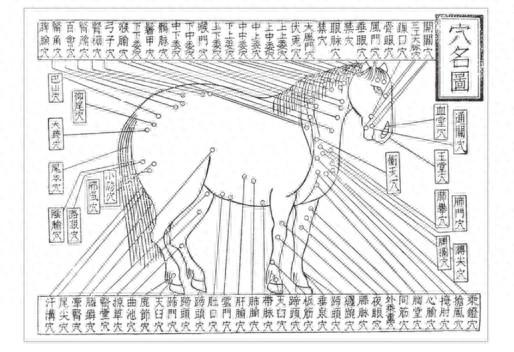
相马术

Search documents
张传官:马年说马
Xin Lang Cai Jing· 2026-02-16 00:27
Core Insights - The article discusses the significance of horses in ancient Chinese culture, particularly their representation in the classic text "Shuo Wen Jie Zi" and the development of horse-related terminology and practices over time [1][6][12]. Group 1: Historical Significance of Horses - Horses were crucial in ancient life, serving as essential labor animals for transportation, agriculture, and military purposes, reflecting their status as "the foremost of the six domestic animals" [6][12]. - The character for "horse" in ancient Chinese was an ideogram that depicted the horse's physical features, showcasing the meticulous observation of horses by ancient people [3][5]. Group 2: Horse Terminology and Classification - The "horse" radical in "Shuo Wen Jie Zi" includes over 115 characters related to horses, indicating a comprehensive classification based on age, height, and function [5][6]. - Various terms describe the speed and characteristics of horses, demonstrating the detailed understanding and categorization of horses by ancient scholars [5][6]. Group 3: Horse Evaluation Techniques - The practice of "xiang ma" (horse evaluation) emerged as a specialized skill, focusing on assessing horses' physical traits to determine their quality [7][8]. - Historical figures like Bo Le and Jiu Fang Gao are noted for their expertise in horse evaluation, indicating the cultural importance of this practice in ancient China [8][12]. Group 4: Ancient Texts and Artifacts - Significant texts such as the "Xiang Ma Jing" and "Xu Ma" provide insights into horse evaluation methods and terminology, reflecting the sophistication of ancient equine knowledge [13][15]. - Artifacts like the bronze horse models (ma shi) were created to standardize horse evaluation, highlighting the importance of horses in governance and military strategy [19][22]. Group 5: Veterinary Practices - Ancient texts reveal a strong emphasis on veterinary care for horses, with documented methods for treating various ailments, showcasing the advanced understanding of equine health [63][64]. - The role of monkeys in protecting horses from disease is noted, illustrating cultural beliefs surrounding animal health management [64][65].


重金求马:秦汉时代的马匹交易
Xin Lang Cai Jing· 2026-02-15 00:52
Core Insights - The article discusses the historical significance of horses in ancient China, particularly focusing on the challenges faced in breeding and training quality horses, which were essential for military and political power [1][11]. Group 1: Historical Context - The introduction of horses to the Central Plains around 1200 BC marked a significant cultural shift, with horses being viewed as mystical creatures and integral to rituals and ceremonies [1]. - The earliest horse expert, Bo Le, is credited with developing horse evaluation techniques, although practical advice on horse breeding was limited [2][4]. Group 2: Challenges in Horse Breeding - Despite efforts to improve horse quality, the Central Plains faced persistent issues such as poor forage quality, which hindered the growth of strong horses [7][10]. - The lack of proper training and exercise for horses in the Central Plains compared to the more active lifestyle of nomadic horses contributed to their inferior performance in battle [8][9]. Group 3: Economic and Political Implications - The reliance on nomadic tribes for quality horses posed a strategic risk for the Central Plains, as these tribes were often adversaries [11][15]. - The trade of horses was deeply intertwined with political relations, with the Han Dynasty engaging in gift exchanges to secure horse supplies, reflecting the importance of horses in maintaining military strength [12][14]. Group 4: Cultural Perceptions and Legacy - Horses were not only seen as military assets but also as symbols of status and power, influencing cultural practices and societal values [11][16]. - The historical narrative illustrates a complex relationship between the Central Plains and nomadic tribes, highlighting the ongoing struggle for control over horse resources and the implications for warfare and diplomacy [15].