内河航运中心

Search documents
五年之内冲“万亿” 济宁因它增底气
Qi Lu Wan Bao· 2025-12-21 16:24
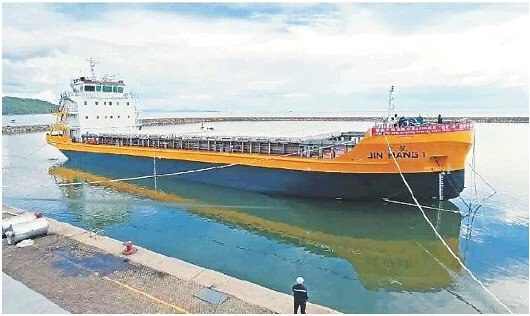
Core Insights - Jining is identified as one of the three cities in Shandong aiming to reach a trillion yuan economy, with a focus on leveraging its port's capabilities to drive growth [2][3] - The port of Jining has achieved a cargo throughput of 106 million tons from January to November, marking an 18.5% year-on-year increase, making it the first northern inland river port to surpass this milestone [2][4] Economic Growth and Strategic Planning - Jining's economic target for 2024 is set at 586.7 billion yuan, with a growth rate of 5.8%, indicating significant pressure to achieve the trillion yuan goal within five years [2] - The Shandong provincial government has outlined a port and waterway layout plan for 2025-2035, positioning Jining as a core port in a network aimed at enhancing inland waterway transport [2][4] Inland Waterway Development - The rise of inland waterway transport is seen as a crucial factor in supporting the domestic economic cycle, with Jining's status as a major port enhancing its logistical capabilities [4][5] - Jining has established a "super link" with Shanghai port through the Grand Canal, facilitating significant cargo movement and economic integration [5][6] New Energy Shipbuilding Sector - Jining is developing a new energy shipbuilding base, with a 5.03 billion yuan investment, aiming to produce intelligent inland new energy vessels, marking a significant step in the region's industrial diversification [7][8] - The new energy shipbuilding sector has already secured international contracts, including a project with Zijin Mining for constructing cargo ships for operations in Tanzania [7][8] Market Recognition and Growth Potential - The new energy shipbuilding technology has gained market recognition, with contracts signed for the construction of electric container ships, indicating a growing demand for sustainable shipping solutions [8][9] - The Shandong shipbuilding industry is experiencing a surge in new orders, with a 91.6% year-on-year increase in 2024, highlighting the region's rapid development in the maritime sector [9]