军控机制

Search documents
美俄失去最后一道核军控“护栏”
Xin Lang Cai Jing· 2026-02-06 12:41
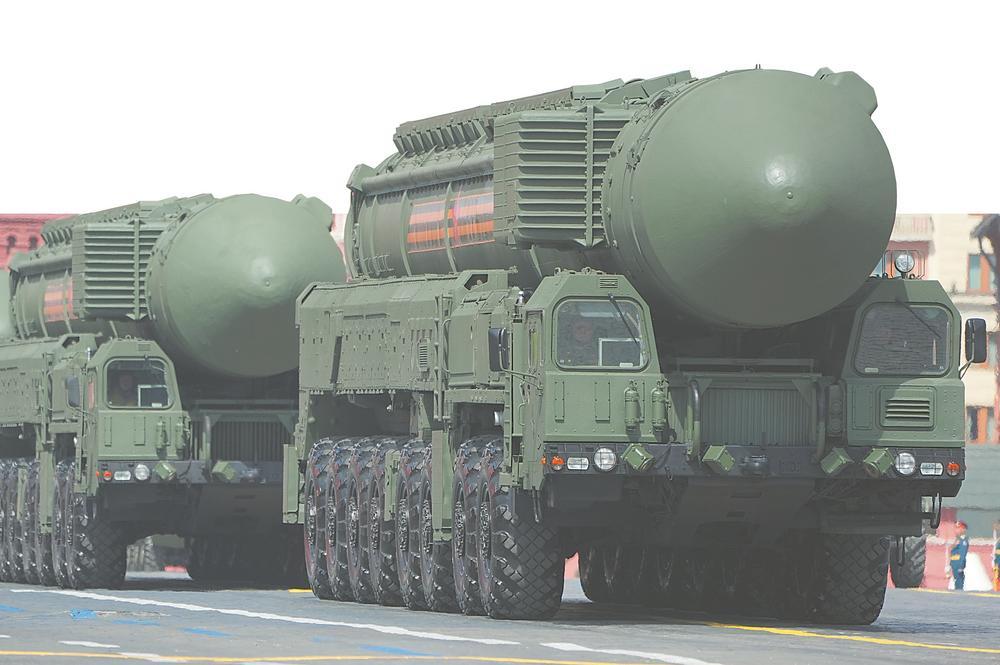
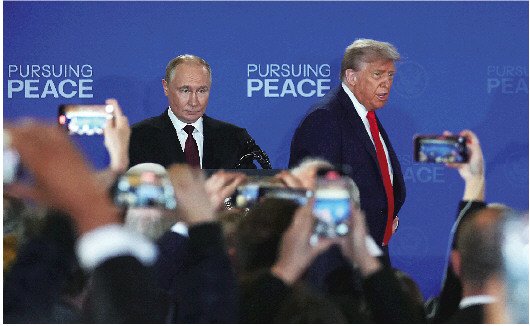
Core Viewpoint - The expiration of the New Strategic Arms Reduction Treaty (New START) between the U.S. and Russia raises concerns about a potential new arms race and threats to global strategic stability as no agreement for extension or replacement has been reached [2][8]. Summary by Sections Treaty Overview - The New START treaty, signed in 2010, aimed to limit the number of strategic nuclear weapons held by the U.S. and Russia, capping deployed strategic warheads at 1,550 and deployed delivery systems at 700 [3]. - The treaty included verification mechanisms such as on-site inspections and data exchanges, enhancing transparency and reducing the risk of accidental conflict [3]. Current Status and Responses - Russia's President Putin suggested a voluntary limitation of weapons to treaty limits for at least one year post-expiration, but the U.S. has not officially responded to this proposal [4]. - Analysts note that the treaty's continuation is complicated by a lack of trust between the two nations, exacerbated by the deterioration of U.S.-Russia relations due to the Ukraine conflict [6]. Challenges to Renewal - The U.S. perception of threats has evolved, with a focus on advanced conventional weapons and hypersonic systems, leading to a diminished interest in traditional arms control frameworks [6]. - Domestic political factors in the U.S., including skepticism from the Republican party and previous administration's push for new multilateral agreements, contribute to the challenges in extending the treaty [6][7]. Implications of Treaty Expiration - The end of the treaty could lead to a significant increase in nuclear arsenals, with projections suggesting that the number of deployed nuclear warheads could exceed 6,000 within a decade [8]. - The absence of constraints may complicate crisis management and increase the risk of miscalculations, heightening global strategic risks [8]. Call for New Arrangements - Experts emphasize the need for new arms control measures or trust-building initiatives to prevent escalation and maintain international security [9].

难以为继 军控谈判何时开启
Xin Lang Cai Jing· 2026-02-04 22:38
Core Viewpoint - The impending expiration of the New Strategic Arms Reduction Treaty (New START) between the US and Russia raises concerns about a potential new arms race, threatening global strategic stability [1][5]. Group 1: Treaty Background - The New START treaty, signed in 2010 and effective from February 5, 2011, was designed to limit the number of strategic nuclear weapons held by both countries, with an original term of 10 years and a possible 5-year extension [2]. - The treaty was extended in 2021 until February 5, 2026, with both parties meeting the core limitations prior to February 5, 2018 [2]. Group 2: Factors Affecting Treaty Continuation - A lack of trust between the US and Russia has emerged, particularly following the deterioration of relations due to the Ukraine conflict, which has undermined the political foundation for cooperation [3]. - Changes in the US perception of threats, particularly with the development of advanced weapon systems like hypersonic weapons, have led to a belief that existing arms control mechanisms are outdated [3]. - Domestic political factors in the US, including skepticism from the Republican Party and the previous administration's push for a new multilateral arms control framework, contribute to the challenges in extending the treaty [3]. Group 3: Implications of Treaty Expiration - The expiration of the New START treaty could lead to an increase in nuclear arsenals, with reports suggesting that both the US and Russia could add hundreds of nuclear weapons within weeks [5]. - The absence of constraints and transparency mechanisms may heighten the risk of miscalculations and complicate crisis management, thereby increasing global strategic risks [5]. - The loss of the treaty is seen as a significant blow to international security, emphasizing the importance of arms control mechanisms as a foundation for global safety [5].