
农村互助养老

Search documents
【特稿242】大桥烟火
Xin Lang Cai Jing· 2026-02-03 19:46
(来源:工人日报) 不赶场的日子,重庆市江津区李市镇大桥村那条穿场而过的街道上,大多数时候都是冷清的。不过,这 冷清并不包括路边的大桥饭店。一天3次,每到饭点,陆续聚拢来的近20位老人就能让店里店外热闹一 回。 他们都是来"搭伙"的。早上稀饭点心、鸡蛋咸菜,中午两荤一素一汤,晚上一荤两素一汤,重要的节令 还有"特别供应"。虽然顿顿享受着"下馆子"的待遇,但老人们的餐费不仅远低于市场价,很多时候甚至 不够覆盖食材和人力成本。 到今年春天,这样的"亏本买卖",大桥饭店老板张成书就整整做了20年了。5年前,为解决越来越多"搭 伙"老人失能半失能后无人照料的问题,她又开设了养老院,同样收费低廉。 20年里,大桥饭店已成为一个枢纽,来自各方的资源在那里汇集,再"点对点"地辐射至每一位"搭伙"老 人,老人们则因为饭店有了更密切的关联。纵横交错间,一个农村互助养老的空间由此形成。 只是,作为"枢纽"运转的负责人,张成书几乎从不去想这些复杂的理论。从开始到现在,她做这些事始 终是出于一个朴素的理由,"人都是会老的,能帮一把就帮一把"。 "多双筷子的事" 一月初的一个早上,天还没亮,村民漆华军和李泽常就到了大桥饭店。这天,他们 ...
推广时间银行模式助力农村互助养老
Xin Lang Cai Jing· 2026-01-25 18:14
来自青岛胶州的张芳结合自身农村成长经历及硕士研究生阶段农村领域课题研究经验,提出了自己的建 议:推广"时间银行"式农村互助养老模式,为农村养老提供贴合实际的解决方案。 张芳建议,这一模式的推进可由政府充当公信力背书,负责指导相关机构规范运作,确保服务时长的记录、 存储和兑换公开透明,让农村老人能够放心参与其中,真正通过邻里互助、志愿奉献,织密农村养老服务网 络。 张芳表示,近年来山东对农村养老的扶持力度不断加大,老人食堂、针对性医疗资源等配套服务的完善,让 农村老人切实感受到了温暖。不过在日常观察中她发现,部分农村老人仍面临一些实际困扰:一方面,不少 农村青壮年外出务工,家里的老人长期缺乏子女陪伴照料;另一方面,若聘请专业护工,较高的成本让一些 家庭难以承受。 记者 鹿青松 济南报道 基于此,张芳认为,互助养老是适合农村现状的养老方式,"时间银行"这种带有志愿服务性质的模式,更是性 价比高、易落地的选择。她解释,这种模式的核心是"我为人人,人人为我"。身体健康的低龄老人可以为 高龄、有需要的老人提供陪伴、日常照料等服务,服务时长会像存款一样存入"时间银行";等到自己年 老体弱、需要帮助时,再从"时间银行"中支 ...
推广时间银行模式,助力农村互助养老
Qi Lu Wan Bao· 2026-01-25 06:25
基于此,张芳认为,互助养老是适合农村现状的养老方式,而"时间银行"这种带有志愿服务性质的模 式,更是性价比高、易落地的选择。她解释,这种模式的核心是"我为人人,人人为我"。身体健康的低 龄老人可以为高龄、有需要的老人提供陪伴、日常照料等服务,服务时长会像存款一样存入"时间银 行";等到自己年老体弱、需要帮助时,再从"时间银行"中支取相应时长的服务,由其他志愿者为自己 提供照料。 齐鲁晚报.齐鲁壹点记者鹿青松 来自青岛胶州的张芳结合自身农村成长经历及硕士研究生阶段农村领域课题研究经验,提出了自己的建 议:推广"时间银行"式农村互助养老模式,为农村养老提供更贴合实际的解决方案。 张芳表示,近年来山东对农村养老的扶持力度不断加大,老人食堂、针对性医疗资源等配套服务的完 善,让农村老人切实感受到了温暖。不过在日常观察中她发现,部分农村老人仍面临一些实际困扰:一 方面,不少农村青壮年外出务工,家里的老人长期缺乏子女陪伴照料;另一方面,若聘请专业护工,较 高的成本让一些家庭难以承受。 张芳建议,这一模式的推进可由政府充当公信力背书,负责指导相关机构规范运作,确保服务时长的记 录、存储和兑换公开透明,让农村老人们能够放心参 ...
一顿爱心餐吃出人情味
Xin Lang Cai Jing· 2025-12-28 22:35
Group 1 - The core idea of the articles highlights the establishment of a community dining hall in Qinglong Village, Tongren City, which provides free meals to elderly residents aged 70 and above, showcasing the importance of neighborly support and community cooperation [1] - The initiative was driven by a local leader's proposal, with all 51 households in the Huanglongping group participating in fundraising, supported by precise funding from the labor union, demonstrating a collective effort from villagers and social support [1] - The community dining hall not only addresses the nutritional needs of the elderly but also alleviates their loneliness by fostering social connections through communal dining, television watching, and conversation [1] Group 2 - The article emphasizes the common challenges faced by elderly residents in rural areas, particularly those living alone or in empty-nest situations, and the difficulties of relying solely on government or children for support [1] - It suggests that leveraging local social ties and community wisdom can lead to practical and sustainable solutions for elderly care, creating a "micro-unit" of mutual assistance that is cost-effective and emotionally supportive [1] - The articles advocate for more such community-driven initiatives across various regions, promoting a warm and human-centered approach to rural elderly care [2]
(乡村行·看振兴)山西柳林:“银龄种菜”模式 开启农村互助养老新路径
Zhong Guo Xin Wen Wang· 2025-12-12 12:17
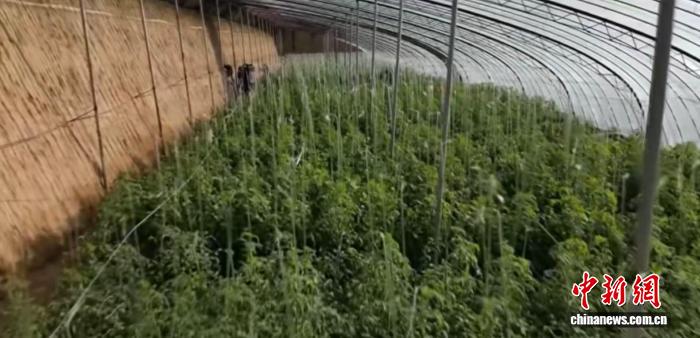
Core Insights - The article discusses the innovative "Silver Age Vegetable Planting" model in Baoshang Village, Shanxi Province, which creates a new path for rural mutual assistance in elderly care [1][3]. Group 1: Background and Issues - Many elderly residents in Baoshang Village have children working away from home, leading to loneliness and a lack of mental engagement [2]. - The local elderly canteen faces high operational costs due to large vegetable procurement needs, while some farmland remains idle, contributing to a monotonous lifestyle for the elderly [2]. Group 2: Implementation of the Model - The village revitalized idle land to establish the Silver Age Agricultural Innovation and Research Base, employing left-behind elderly residents in farming activities [2]. - Tasks are assigned based on the physical condition of the elderly, creating a platform for employment and care that allows them to stay connected to their community [2]. Group 3: Benefits and Community Impact - The vegetable garden serves not only as a workplace but also as a social hub, helping to alleviate loneliness and foster relationships among the elderly [2]. - The initiative has reduced vegetable procurement costs for the elderly canteen, and surplus vegetables sold contribute to collective income, which is reinvested into village development [2]. Group 4: Future Plans - The village plans to optimize planting varieties, expand sales channels, and improve elderly care facilities, aiming to enhance the happiness of rural elderly through shared agricultural efforts [3].

“折腾起来”,从化小山村的积极养老实践 | 乡“互”养老②
Nan Fang Nong Cun Bao· 2025-03-31 01:34
Core Viewpoint - The article discusses the transformation of rural elderly care in Xianxi Village, emphasizing the shift from passive care to active participation among the elderly, facilitated by a local NGO called "Deep Cultivation" [10][14]. Group 1: Changes in Elderly Care - Three years ago, Xianxi Village lacked essential facilities for elderly care, such as a dining hall and community engagement activities [6][12]. - The "Deep Cultivation" team has been working in five mountain villages in the Guangzhou Conghua District, focusing on mutual assistance in elderly care after exploring agricultural transformation [10][11]. - The village has a population of 645, with a significant portion over 50 years old, highlighting the challenges of aging and limited resources [12][13]. Group 2: Community Engagement and Activities - The elderly in Xianxi Village have begun to engage in collective activities, such as working in a community garden, which fosters a sense of purpose and community [3][16]. - The construction of a bamboo building, symbolizing the spirit of active aging, was completed with the participation of elderly villagers, showcasing their capabilities [24][25]. - The community garden provides about 30% of the vegetable needs for the elderly dining hall, promoting self-sufficiency and collaboration among villagers [34][123]. Group 3: Challenges and Adaptations - The process of establishing a community garden involved trial and error, with various models of participation being tested over nearly three years [49][50]. - Initial attempts at collective labor faced challenges, but the elderly gradually adapted to the idea of working together, leading to improved community dynamics [75][81]. - The establishment of the elderly dining hall has become a focal point for community interaction, significantly increasing social cohesion among villagers [128][130]. Group 4: Future Prospects and Innovations - The village is now part of a national pilot project for county-level elderly care services, indicating recognition and support for their initiatives [99]. - The elderly are actively discussing new projects, such as building an ecological pond for wastewater treatment, demonstrating their growing involvement in community planning [56][62]. - The "Deep Cultivation" organization continues to explore ways to enhance community economic development while addressing the needs of vulnerable groups in rural areas [131][144].
