
农村现代化

Search documents
新闻周刊丨未来十年,中国农村的现代化将如何实现?
Yang Shi Wang· 2026-02-07 22:48
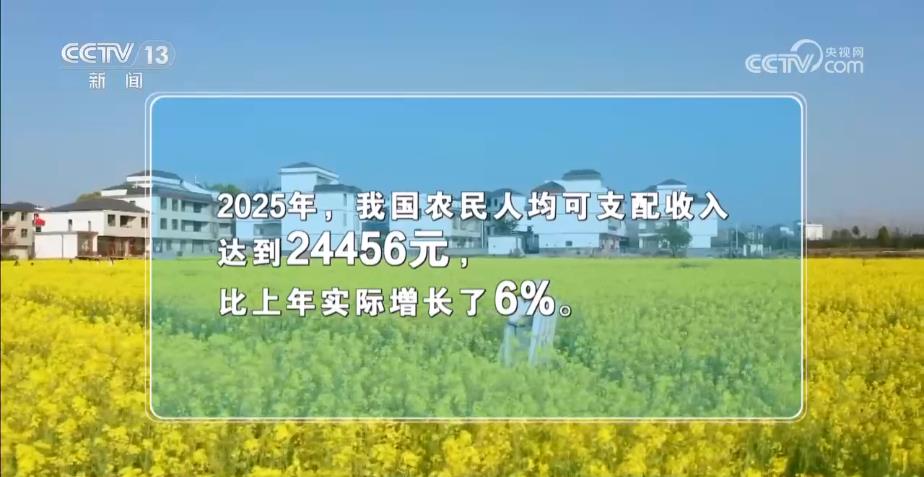
Core Viewpoint - The central theme of the recent Central Document No. 1 is the modernization of agriculture and rural areas, which is identified as a critical goal for achieving socialist modernization by 2035 [1][14]. Group 1: Income and Poverty Alleviation - The document emphasizes the need to increase rural residents' disposable income, which was 24,000 yuan last year, significantly lower than the urban average of 51,000 yuan [1]. - The goal for 2025 is to raise the average rural disposable income to 24,456 yuan, reflecting a 6% increase from the previous year [4]. - The transition to a normalized phase of poverty alleviation is highlighted, with a focus on preventing the return to poverty as part of the rural revitalization strategy [2]. Group 2: Education and Schooling - The document addresses the need to optimize the layout of rural schools, particularly small-scale schools, to ensure access to education for rural children [6][8]. - The number of rural primary school teaching points has decreased significantly, from 101,400 in 2018 to 52,200 in 2024, raising concerns about educational access [5]. - The emphasis is placed on retaining necessary small-scale schools to prevent risks of school dropout due to distance and accessibility issues [6][8]. Group 3: Healthcare and Public Services - Improving rural healthcare services is a priority, with a focus on building a robust team of village doctors, which has seen a decrease in personnel to 1.242 million in 2024 [9]. - The document mentions the implementation of a special program for university students to become village doctors, aiming to address the shortage of medical professionals in rural areas [9][11]. - The pension for rural elderly residents is set to increase from 123 yuan to 143 yuan per month by 2025, reflecting a broader effort to enhance social security for rural populations [11]. Group 4: Overall Modernization Goals - The modernization of agriculture and rural areas is deemed essential for the overall modernization of China, serving as the foundation for food security and social stability [13][14]. - The document stresses that bridging the gaps in income, public services, and infrastructure between urban and rural areas is crucial for improving the quality of life for over 400 million farmers [14].

2026年中央一号文件:持续整治农村高额彩礼
Feng Huang Wang· 2026-02-03 10:42
Core Viewpoint - The document emphasizes the importance of modernizing agriculture and rural areas, focusing on cultural and moral development within villages to promote comprehensive rural revitalization [1] Group 1: Cultural Development - The implementation of a civilization construction project is highlighted, aiming to strengthen rural ideological and political work and promote socialist core values through widespread public education activities [1] - The initiative includes promoting "artistic beautification of villages" to enrich the supply of cultural products and services in rural areas [1] - Systematic protection of rural cultural heritage is prioritized, including the investigation and protection of rural cultural relics, traditional villages, and intangible cultural heritage, with a focus on establishing a villager-led protection mechanism [1] Group 2: Social Norms and Practices - Continuous efforts to change outdated customs in rural areas are emphasized, with a focus on the role of party members and village regulations in guiding these changes [1] - The document addresses the issue of high bride prices in rural areas, advocating for coordinated governance across neighboring provinces to tackle this problem [1] - It encourages the establishment of correct views on marriage, childbirth, and family, promoting a simplified and civilized wedding culture [1] Group 3: Public Services - The establishment of a public service system for rural funerals is mentioned, along with the promotion of the construction and standardized management of public cemeteries in rural areas [1]