
冰川融化

Search documents
阿尔卑斯一座山峰雪崩,5名德国游客身亡,其中包括一对父女
Mei Ri Jing Ji Xin Wen· 2025-11-02 16:31
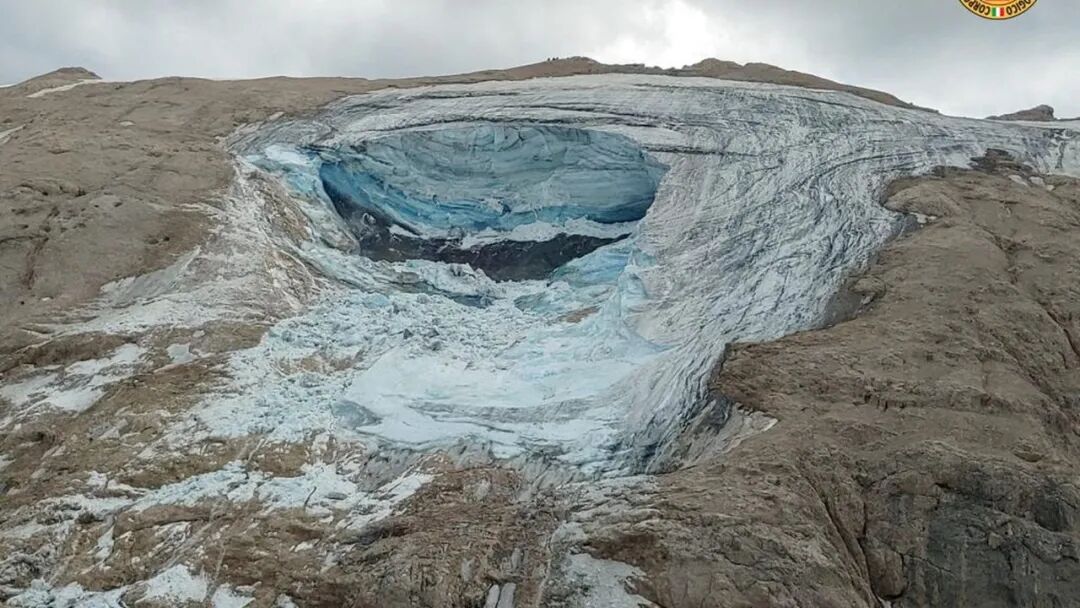
Group 1 - A recent avalanche in the northern Alps of South Tyrol, Italy, resulted in the death of 3 German tourists and 2 others missing, highlighting the increased risks associated with mountain activities due to unstable snow conditions and rising temperatures [1] - The region has experienced multiple avalanche incidents, including a glacier collapse on Marmolada Peak in July 2022, which resulted in 9 fatalities, indicating a trend of increasing danger in popular skiing areas [2] - Climate change is significantly impacting winter sports, with a study showing that global glaciers have shrunk by over 5% since 2000, losing approximately 7 trillion tons of ice, contributing to a 2 cm rise in sea levels [4] Group 2 - The Italian National Research Council (CNR) warns that if global warming continues, the Marmolada glacier could completely melt within the next 25 to 30 years, further threatening winter sports and tourism in the region [4] - The United Nations World Meteorological Organization reported that 26 out of 616 World Cup events for skiing and snowboarding were canceled due to weather conditions during the 2023-2024 season, reflecting the adverse effects of climate change on winter sports events [7]

中国科学院最新论文登上Cell头条
生物世界· 2025-10-01 10:27
Core Insights - The article discusses a research paper published in Cell Press that evaluates the global flux of perfluoroalkyl acids (PFAA) from glaciers in the context of climate change, highlighting the urgency for coordinated action in managing historical pollutants and climate mitigation [5][6]. Group 1: Research Findings - The study identifies major PFAA release hotspots, including the Arctic, South Asia, and Central Asia, emphasizing the need for urgent action to manage these pollutants [5][6]. - PFAA, a significant industrial pollutant, poses serious risks to both ecological and human health due to its persistence and accumulation in cold regions, including glaciers [6]. - The research estimates that global glaciers release approximately 3,500 kilograms of PFAA annually, with suspended particles contributing about 12% of this total [6]. Group 2: Implications and Recommendations - The findings fill a critical gap in the global PFAA budget and stress the need for coordinated efforts to manage historical pollutants and mitigate climate change [7]. - The study suggests that controlling PFAA pollution in hotspot areas requires reducing emissions at the source and slowing down glacier melting through climate change mitigation [7]. - Effective strategies to address this dual threat necessitate interdisciplinary collaboration among scientists, local communities, and policymakers [7].

【环球财经】气候变化导致亚南极赫德岛近四分之一冰川融化
Xin Hua She· 2025-08-04 13:54
Core Insights - Researchers from Monash University have found that nearly a quarter of the glaciers on Heard Island have melted since 1947, indicating significant impacts from climate change [1] Summary by Categories Research Findings - The study published in the journal "The Cryosphere" analyzed the contours and areas of 29 glaciers on Heard Island using topographic maps from 1947 and current satellite images, revealing that approximately 64 square kilometers of glaciers have disappeared, accounting for about 23.1% of the island's original glacier volume [1] - The researchers plan to visit Heard Island later this year to further investigate how glacier retreat may threaten local biodiversity [1] Geographic and Environmental Context - Heard Island is part of Australia's external territory, located about 4,100 kilometers southwest of Perth, with an area of 368 square kilometers and no permanent residents [1] - The island and the McDonald Islands were listed as a UNESCO World Heritage site in 1997 and are notable for being the only active volcanic island group in the sub-Antarctic region, featuring unique glacial landscapes [1] Future Implications - Andrew Mackintosh, Dean of the School of Earth, Atmosphere and Environment at Monash University, stated that current measurements show significant glacier retreat, and the future of these glaciers will depend on how greenhouse gas emissions are managed [1]