决战

Search documents
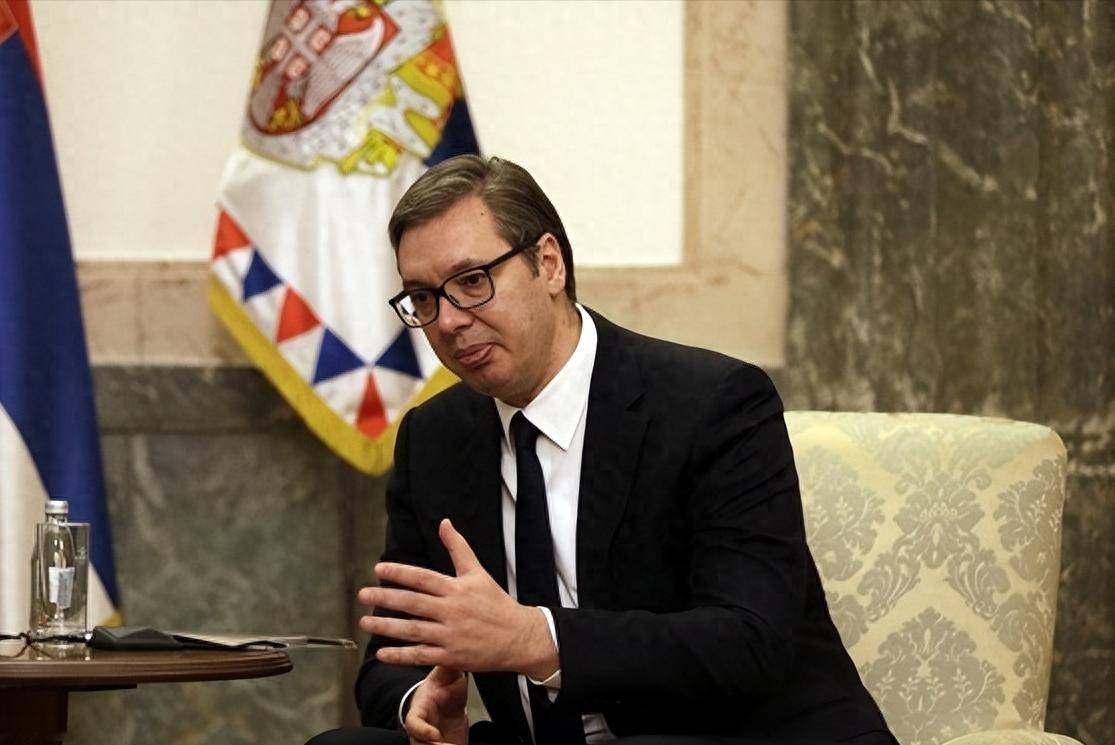
欧洲已成火药桶,武契奇说实话,等乌克兰战败,欧盟就要对俄决战
Sou Hu Cai Jing· 2025-11-17 18:40
Core Viewpoint - The situation in Ukraine is deteriorating, with the potential for a significant military defeat for Ukraine prompting European leaders to prepare for a possible conflict with Russia [1][3][5]. Group 1: Military Preparedness and Tensions - Serbian President Vucic has indicated that the EU is preparing for a potential war with Russia, reflecting a serious escalation in tensions between Europe and Moscow [3][5]. - The strategic location known as "Red Army City" is nearing complete control by Russian forces, with a reported 97% control rate, signaling a potential major defeat for Ukraine [5][12]. - European nations are increasingly vocal about the need for military readiness, with discussions around troop mobilization and military strategies becoming more prevalent [14][18]. Group 2: Economic and Industrial Concerns - There is a growing anxiety in Europe regarding its military industrial capabilities, especially in light of Russia's strengthened military production due to its resource advantages [7][9]. - The energy crisis and reliance on the U.S. for military supplies have exposed vulnerabilities in Europe's defense capabilities, leading to urgent calls for action among EU member states [9][12]. - Some EU countries, particularly those closer to the conflict, are advocating for proactive measures to address perceived threats before the situation worsens [12][14]. Group 3: Divergent Perspectives within the EU - There is a stark contrast in perceptions of the conflict among EU member states, with Eastern European countries feeling an urgent need for military action, while Western nations are more focused on economic implications and public sentiment [16][18]. - This division within the EU complicates collective decision-making, as some countries push for aggressive military strategies while others prioritize caution and economic stability [16][18]. Group 4: Strategic Implications and Future Considerations - The narrative of a decisive battle reflects a reaction to ongoing military setbacks and long-standing anxieties, rather than a well-considered strategic option [20][22]. - A more rational approach would involve strengthening military industrial bases and ensuring stable supply chains, while also leaving room for diplomatic negotiations [22][24]. - The ultimate goal should be to establish a sustainable peace mechanism rather than merely ending hostilities, emphasizing the importance of careful decision-making over impulsive actions [24].