冷链运输技术

Search documents
财经观察:中国消费市场催热东南亚椰业
Huan Qiu Shi Bao· 2025-12-02 22:55
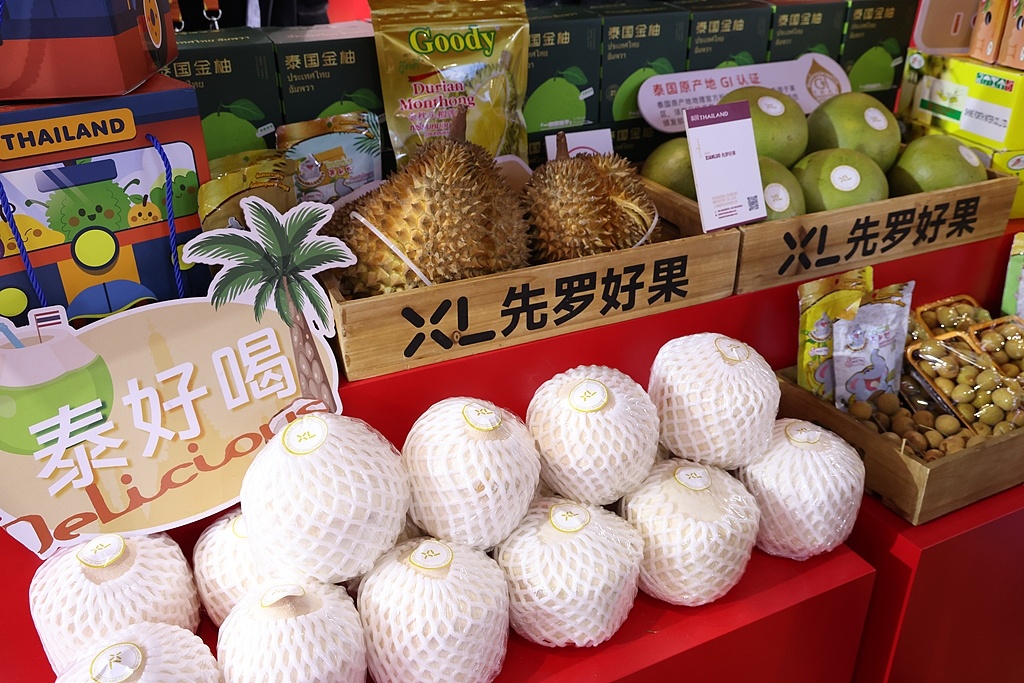
Core Insights - The trade cooperation between China and Southeast Asia in agricultural products, particularly coconuts, is thriving, with increasing imports from countries like Thailand, Vietnam, and Indonesia [1][3] - The demand for coconuts in China is driving significant changes in the Southeast Asian coconut industry, leading to enhanced investment and technological upgrades [6][7] Group 1: Trade Dynamics - In April, China imported fresh coconuts from Indonesia for the first time, and Malaysia was also allowed to export fresh coconuts to China [1] - Data indicates that over 80% of Thailand's coconut exports will be directed to the Chinese market in 2024, with a projected export volume of nearly 260,000 tons valued at $21.74 million [3][6] - Indonesia's coconut exports to China reached 204,400 tons from January to May 2025, marking a 47% increase year-on-year [3] Group 2: Industry Investment and Development - Chinese companies are investing in coconut processing facilities in Indonesia, with one company planning to invest $100 million to build processing plants in multiple cities [3][4] - The investment is expected to create significant employment opportunities, with projections of 5,000 jobs in the first year and 10,000 in the second year [3][4] - The collaboration between Chinese firms and local coconut producers is reshaping the traditional trade model, moving towards direct sourcing and processing [5][6] Group 3: Value Addition and Processing - The price of coconuts in Indonesia has increased significantly, from approximately 0.4-0.6 RMB to 1.2-2 RMB per coconut, driven by rising demand from China [7] - The processing of coconuts into high-value products is becoming more prevalent, with Indonesia exporting processed products like coconut milk and virgin coconut oil [7][8] - Chinese coconut processing companies are enhancing the value of coconuts through refined processing techniques, increasing the value from 1 RMB to 45-50 RMB per coconut [8] Group 4: Consumer Trends and Market Demand - The Chinese market has a high demand for coconut products, with annual needs exceeding 4 billion coconuts, and import volumes reaching record highs of 1.095 million tons in 2022 and 1.22 million tons in 2023 [9][10] - The variety of coconut products available in China is expanding, with increasing popularity among consumers, particularly younger demographics [9][10] - The differences between domestic and Southeast Asian coconuts lie in variety, taste, and industrial positioning, with Southeast Asian coconuts primarily used for processing [10]

冬季蔬果供应价稳量丰 “发达冷链+便捷交通”保障百姓“菜篮子”“果盘子”无忧
Yang Shi Wang· 2025-11-28 13:18
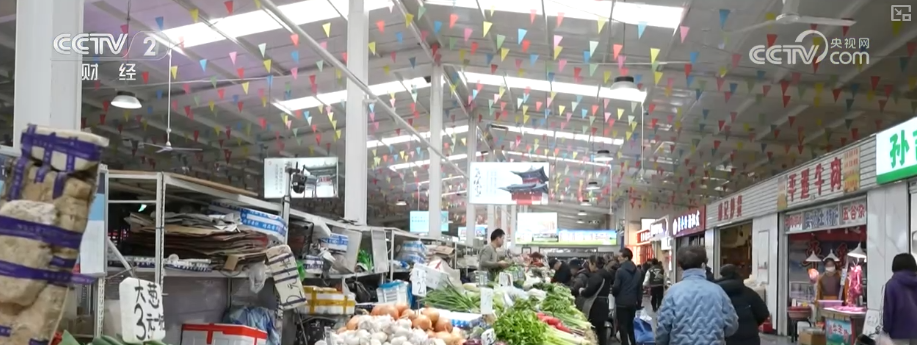
Core Viewpoint - The vegetable market in Taiyuan, Shanxi, remains stable and diverse despite the recent cold wave, thanks to advanced cold chain logistics and transportation networks [1][7]. Group 1: Market Conditions - The market continues to offer a variety of vegetables such as cabbage, potatoes, and celery, with both local and imported options available [5]. - The presence of seasonal fruits like jelly oranges and sugar tangerines indicates a stable supply of fresh produce [10]. Group 2: Consumer Behavior - Consumers have adapted to a new habit of purchasing fresh vegetables immediately rather than stockpiling, alleviating concerns about the cold weather [7]. Group 3: Market Management - The market has implemented heating measures to protect produce from freezing temperatures and has provided parking facilities for vendors to facilitate the supply of fresh goods [13].