净值稀释

Search documents
大V带货基金返点,基金单日狂卖120亿?双方均否认
Sou Hu Cai Jing· 2026-01-20 03:53
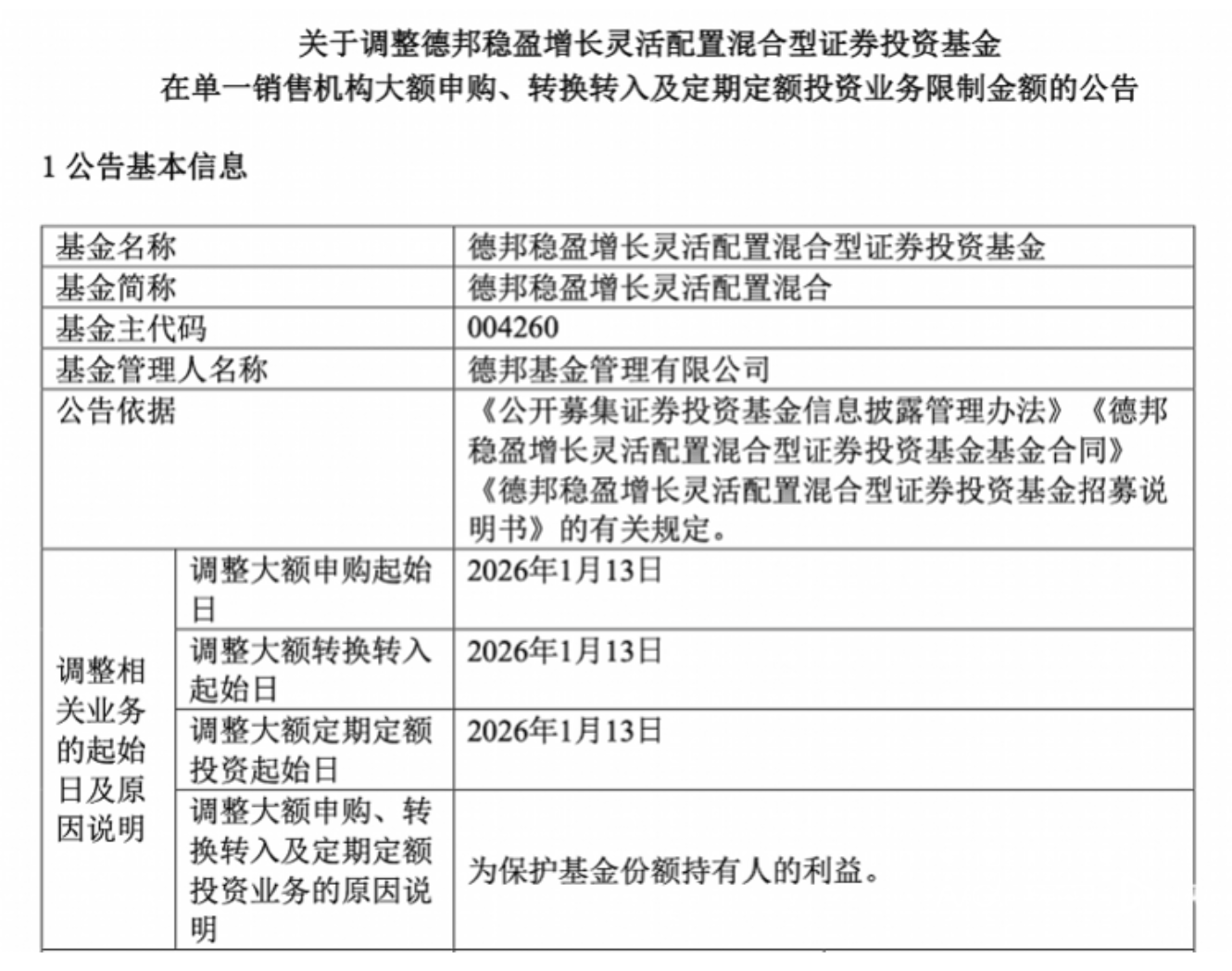
Core Viewpoint - The rapid increase in sales of the Debon Stable Growth Fund, which reportedly reached 12 billion yuan in a single day, has raised concerns about the influence of social media personalities on investment decisions and the potential risks associated with such trends [1][9][12]. Group 1: Fund Performance and Market Reaction - The Debon Stable Growth Fund's net asset value increased by 8.32% on January 12, 2026, coinciding with a surge in AI application stocks, leading to a year-to-date return of nearly 30% [4]. - Despite the fund's impressive short-term performance, its long-term returns have been underwhelming, with a total return of only 8.06% in 2025, lagging behind its benchmark and the CSI 300 index [4]. - The fund's assets under management were only 7.24 billion yuan before the sudden influx of capital, which is unusual for such a dramatic scale increase [4]. Group 2: Social Media Influence and Fund Sales - The fund's sales surge was partly attributed to a prominent financial influencer, "Ai Li Cai's Little Sheep," who publicly showcased a significant investment in the fund, prompting followers to buy in [1][9]. - Debon Fund's decision to implement purchase limits, reducing the initial investment cap from millions to tens of thousands, indicates a response to the overwhelming demand and potential risks associated with rapid inflows [1][9]. - The influencer's actions have raised questions about the ethics of financial promotion on social media, as he lacks formal qualifications in fund sales and has previously engaged in unrelated promotional activities [10][12]. Group 3: Industry Concerns and Historical Context - The situation reflects a broader industry concern where the reliance on social media for fund promotion may lead to a disconnect between fund performance and investor returns, echoing past issues in the financial markets [12][13]. - Historical precedents of market manipulation and unethical practices by influencers in the financial space highlight the potential dangers of the current trend, where social media personalities can significantly impact investment behavior [12].